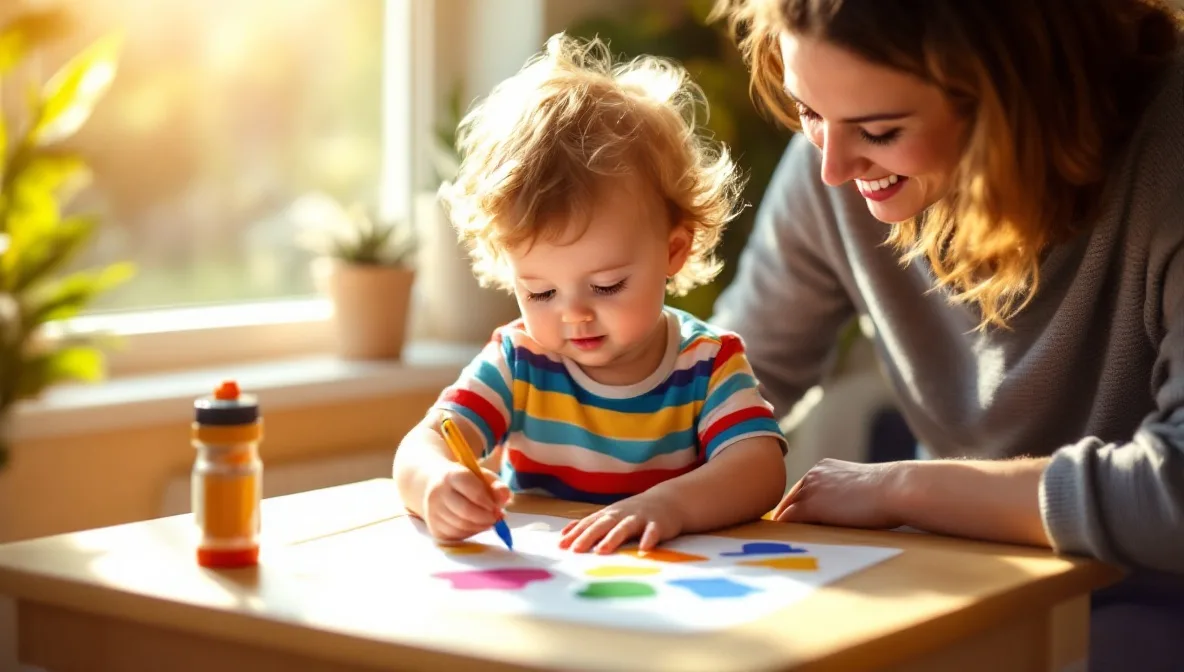
Are toddler printables safe for 2-year-olds? Yes, when chosen carefully and used with direct adult supervision, paper-based printables can be a developmentally appropriate tool for 2-year-olds. However, safety depends on the printable's design, materials, and how your child uses it. This guide breaks down exactly what makes a printable safe for your toddler, which ones to avoid, and how to supervise properly so your child develops fine motor skills without risk.
Key Takeaways
- Printables are safe for 2-year-olds only with constant adult supervision and careful material selection.
- Look for thick, non-toxic paper; large, simple designs; and avoid any small detachable parts or coatings.
- 2-year-olds developmentally benefit most from thick crayons, chunky pencils, and large-format activities rather than fine-detail tracing.
- Laminated or water-resistant printables reduce choking risk if chewed, but should never be left unsupervised.
- Montessori-inspired sandpaper letters and sensory alternatives often work better for this age than traditional paper worksheets.
What Are Toddler Printables and Are They Age-Appropriate for 2-Year-Olds?
Toddler printables are downloadable, paper-based activity sheets—typically PDFs—designed for young children. They range from simple shape-matching and coloring pages to tracing letters and number recognition. For 2-year-olds, age-appropriate activities focus on large motor movements and sensory exploration rather than precision; at this age, your child is still developing hand-eye coordination and isn't expected to write or trace accurately.
According to developmental milestones, 2-year-olds can scribble with a crayon, stack blocks, and turn pages in a book, but fine motor control for letter formation doesn't typically emerge until age 3 to 4. This means worksheets with tiny lines, small details, or complex tracing are developmentally inappropriate and may frustrate your child or cause them to chew or tear the paper in frustration. Resources like EduPDFPro note that most 2-year-old printables should prioritize sensory play and large-motor mark-making, not academic skill-building.
Core Safety Rules for Using Toddler Printables With 2-Year-Olds
If you decide to use printable worksheets with your 2-year-old, follow these non-negotiable safety guidelines to minimize choking hazards, toxin exposure, and ingestion risks.
Material and Ink Safety
- Use non-toxic, child-safe inks. Print from cartridges labeled "child-safe" or "food-grade coating" where possible. Standard office printer ink is generally safe if ingested in tiny amounts, but avoid printables designed with metallic inks or glitter coatings.
- Choose thick, sturdy paper (65 lb cardstock or higher). This resists tearing and is less likely to break into small, ingestible pieces if your toddler chews it.
- Laminate or coat the printable. Lamination or water-resistant coating creates a barrier if your child puts it in their mouth and makes cleanup easier when they drool or spill. Avoid coatings with added scents or dyes.
- Avoid printables with loose glitter, stickers, or embellishments. These are major choking hazards for 2-year-olds and should never be part of toddler materials.
Design Features That Matter
- Large images and simple designs only. Shapes, objects, and animals should be at least 2 inches across so your child can see and interact with them without eye strain.
- No small parts, holes, or detachable pieces. A 2-year-old's mouth is still large enough to swallow objects smaller than a toilet paper tube, so avoid worksheets with punch-outs, movable pieces, or tiny accessories.
- Thick, rounded crayons or chunky pencils only. Your child should never use standard #2 pencils or thin markers, which pose a choking risk if broken and can poke eyes or ears.
Direct Adult Supervision and Best Practices
You must remain within arm's reach and maintain direct visual contact every moment your 2-year-old is using a printable. This is not a time to step away and let your child work independently, no matter how engaged they seem. A 2-year-old can quickly tear, chew, or attempt to ingest paper, and their risk assessment is still developing.
Keep printable sessions short—5 to 10 minutes maximum—to prevent boredom-driven chewing or aggression toward the paper. Sit beside your child, model the activity (scribbling, pointing to shapes), and gently redirect if they start to mouth or tear the paper. Never use printables as a screen-free solo activity; the safety payoff comes from your presence and engagement, not from the worksheet itself.
Stop immediately if your child shows signs of frustration, loss of interest, or an urge to chew. This is normal at 2 years old and doesn't mean they're "bad with worksheets"—it means printables may not be the best tool for this child right now, and that's completely fine.
Printables vs. Safe Alternatives: What Works Best for 2-Year-Olds
Many parents find that alternatives to worksheets offer better developmental fit and safety for 2-year-olds. Consider these options alongside or instead of paper printables:
| Activity Type | Safety Level | Fine Motor Benefit | Best Age |
|---|---|---|---|
| Large paper printables with chunky crayons | Moderate (requires supervision) | Scribbling, hand control | 18 months–3 years |
| Sandpaper letters (Montessori sensory) | High (non-toxic, no ink) | Finger tracing, letter awareness | 2–4 years |
| Water-based dry-erase boards | High (non-toxic, washable) | Scribbling, repeated practice | 18 months–4 years |
| Magnetic letter or shape boards | High (no paper, large pieces) | Pincer grasp, placement | 2–4 years |
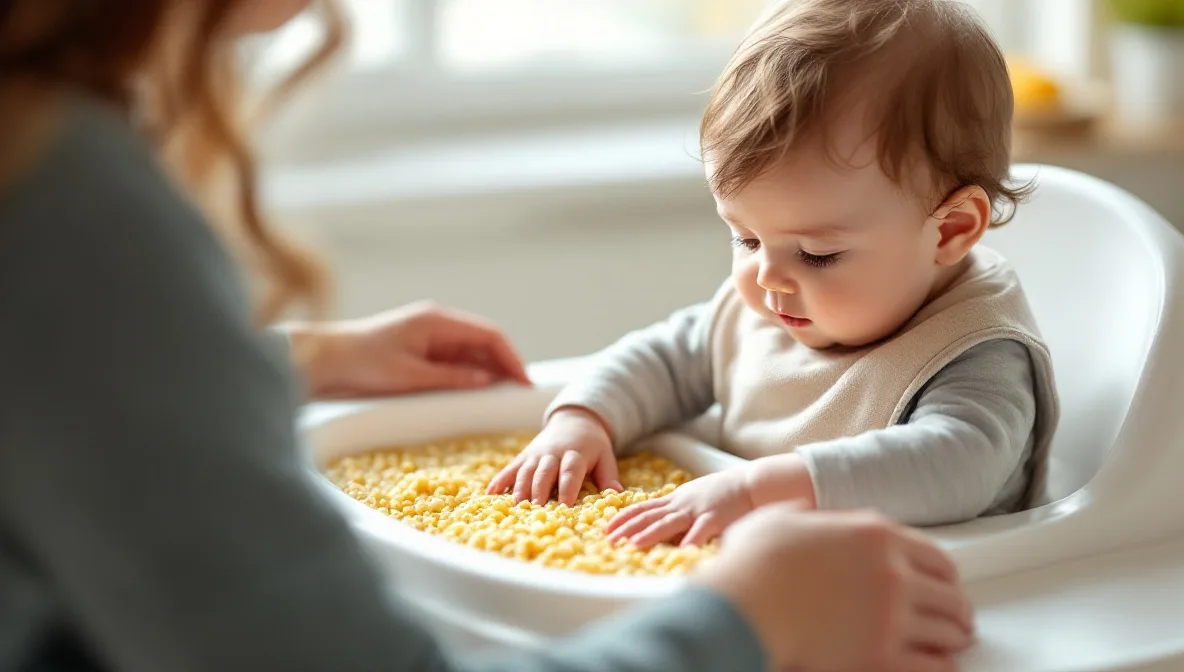
| Playdough and sensory bins | High (supervised) | Hand strength, fine motor | 18 months–5 years |
Many parent resources suggest pairing printables with tactile, hands-on activities that build the same fine motor skills without the choking and ingestion risks. Sandpaper letters—a hallmark of Montessori method for toddlers—let your child trace letters with their fingertips on textured surfaces, which is both safer and often more engaging than pencil work at this age.
Special Consideration: Are Montessori Printables Safe for Toddlers?
Montessori-inspired printables are often marketed as "safer" or "more developmental" for young children, and in many cases, they are. Authentic Montessori materials emphasize sensory learning, self-correction, and natural materials. However, not all Montessori-labeled printables are created equal, and a PDF worksheet labeled "Montessori" is still just paper—it carries the same risks as any other printable.
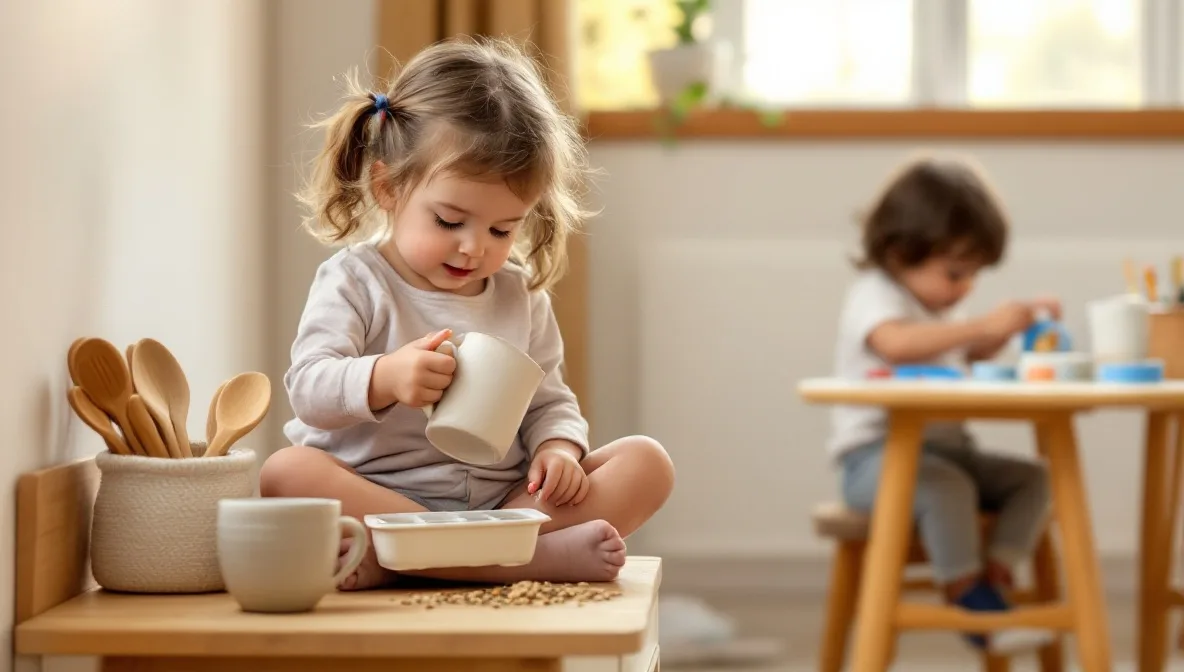
True Montessori tracing materials for 2-year-olds typically involve 3D sandpaper letters, not paper printables. If you choose Montessori-style paper activities, apply the same safety rules: thick paper, large designs, non-toxic inks, and constant supervision. Resources for active toddlers recommend looking for printables that emphasize sensory exploration over academic outcomes, which aligns with Montessori philosophy for this age group.
What to Do if Your 2-Year-Old Chews or Swallows Printable Paper
If your child chews on or swallows a small piece of paper from a printable, stay calm. Small amounts of non-toxic ink and paper are unlikely to cause harm. However, take these steps:
- Remove any remaining paper from your child's mouth immediately.
- Observe for signs of choking (inability to breathe, cough, or cry). If present, call 911 or perform infant CPR if trained.
- Watch for blockage signs over the next 24–48 hours: constipation, abdominal pain, vomiting, or lethargy. These are rare with paper but warrant a call to your pediatrician if they occur.
- Contact Poison Control (1-800-222-1222 in the US) if you suspect ink exposure or if your child ingested a large amount of paper. They can advise based on ink type and quantity.
- Call your pediatrician if you're unsure or if your child shows any unusual behavior.
This scenario reinforces why supervision is critical: most ingestion incidents happen when a child is left alone with a printable for even a few minutes.
Frequently Asked Questions
Are printable worksheets appropriate for 2-year-olds?
Printable worksheets can be appropriate for 2-year-olds when carefully selected and supervised. Choose large, simple designs with thick paper, non-toxic inks, and no small parts. Expect 5–10 minute sessions focused on sensory exploration (scribbling, pointing) rather than academic learning like letter tracing, which is developmentally premature at this age.
What are safe paper activities for 2-year-olds instead of worksheets?
Safe alternatives include large whiteboards with water-based markers, sandpaper letters for tactile tracing, magnetic boards, playdough, sticker books (with large, firmly-adhered stickers), and sensory bins with safe objects like wooden blocks or soft toys. These build similar fine motor skills with lower ingestion and choking risk than traditional printables.
Should 2-year-olds trace letters on printables?
No. At 2 years old, tracing letters is developmentally inappropriate; most children aren't ready for pencil control or letter formation until age 3 to 4. Instead, offer your 2-year-old finger tracing on sandpaper letters or large scribbling spaces. Wait until closer to age 3 before introducing any tracing worksheets, and even then, supervise closely and keep it playful, not academic.
Are toddler printables safe if they chew on them?
Printables made from thick, non-toxic paper with food-safe inks are safer if chewed than thin paper or those with metallic finishes, but chewing still poses a choking risk. Laminated printables are better because they resist tearing and are less likely to break into swallowable pieces. However, no printable is "safe to chew"—your supervision and redirection are the real safety measures.
What supervision is needed for 2-year-olds using printables?
You must stay within arm's reach and maintain direct eye contact at all times. Never leave your 2-year-old alone with a printable, even for a minute. Watch for attempts to chew, tear, or mouth the paper. End the activity if your child seems frustrated, distracted, or focused on the paper itself rather than the intended task.
Are Montessori printables safe for toddlers?
Montessori-labeled printables are subject to the same safety rules as any paper worksheet. True Montessori materials for 2-year-olds emphasize tactile, 3D experiences like sandpaper letters rather than paper printables. If you use Montessori-style PDF worksheets, ensure they meet all material and supervision standards described in this guide.
What are the best alternatives to worksheets for 2-year-olds?
The best alternatives prioritize sensory input and safety: water-based dry-erase boards, sandpaper letters, magnetic shape boards, playdough, foam stickers, water painting on sidewalks with brushes, and open-ended art with large crayons. These support fine motor development, hand strength, and mark-making without the paper-ingestion and choking risks of traditional worksheets.
Using printables with your 2-year-old is a personal choice, and safety is always the deciding factor. If you do use them, stick to thick, large-format, non-toxic materials and keep every session short, supervised, and playful. Many parents find that simple, open-ended tools—chunky crayons on big paper, sandpaper letters, or a whiteboard—work just as well and feel less stressful. Trust your instincts about what feels safe and developmentally right for your child.
Comments 0
Please Sign in to leave a comment.
No comments yet. Be the first to share your thoughts!