
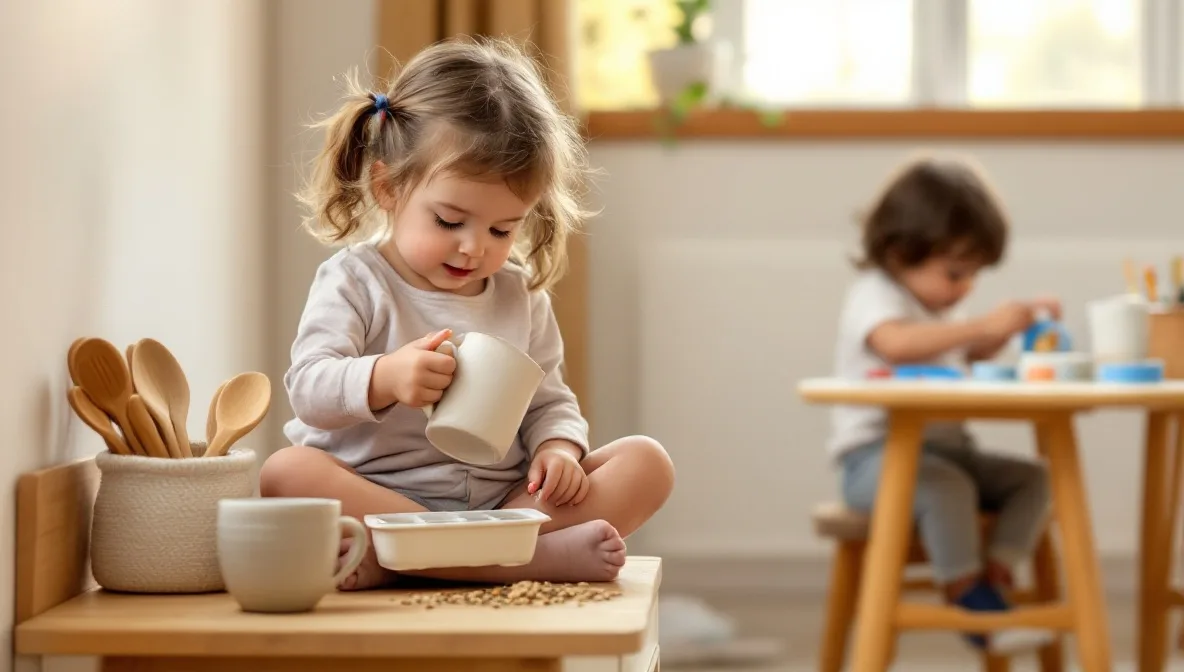
The best Montessori activities for 2 year olds DIY require nothing more than items already sitting in your kitchen, bathroom, or pantry. Montessori education centers on child-led learning, practical life skills, and sensory development—and you don't need to buy specialized wooden toys or expensive activity kits to deliver that. Within the next few minutes, you'll have a roadmap for setting up zero-cost shelfwork that builds fine motor control, concentration, and toddler autonomy right at home.
Key Takeaways
- DIY Montessori activities for 2 year olds use real household objects like ice cube trays, tongs, and pasta to develop fine motor skills at no cost.
- Practical life tasks—pouring, sorting, transferring, and wiping—build intrinsic motivation and real-world independence in toddlers.
- A low shelfwork setup displays 4–6 activities at child height, rotated weekly, letting your child choose their own work and repeat freely.
- Montessori sensory activities using nature-based materials (dried beans, stones, leaves) teach color discrimination and size sequencing naturally.
- Safe, screen-free engagement happens in 10–20 minutes per activity, freeing you to work nearby while your toddler builds concentration.
Why DIY Montessori Works for 2-Year-Olds
At two years old, your child is in a critical window for developing fine motor control, hand-eye coordination, and practical life skills. According to Montessori guidance on activities for this age, toddlers learn through repetition and real objects—not plastic toys designed to be "educational." When your child practices pouring dried lentils, sorting buttons by color, or wiping a spill, they're building actual competence and intrinsic motivation to master their environment.
The Montessori approach respects a child's need for autonomy and choice. By setting up low, accessible activities on a shelf—what Montessori educators call shelfwork—you empower your 2-year-old to select their own work, work at their own pace, and repeat as many times as they want. This self-direction is impossible to replicate with screen time or adult-directed play. Best of all, you start with zero budget.
Setting Up Your DIY Montessori Shelfwork
A shelfwork display is simply a low shelf, basket, or small table at your child's eye level, arranged so they can independently access and return materials. Here's how to build yours:
- Choose your display space. A low bookshelf (18–24 inches high), a basket on the floor, or a small toddler table works perfectly. Your child should be able to reach every item without climbing or asking for help.
- Select 4–6 activities that rotate weekly. This prevents overwhelm and keeps materials fresh and interesting.
- Use trays or baskets to contain each activity. An old wooden tray, a shallow box, or even a muffin tin keeps pieces from scattering across your home.
- Include a small mat or rug that your child can unroll when they choose an activity. This marks their "work space" and signals concentration to your child.
- Rotate activities every 5–7 days. Swap one or two activities from a "waiting basket" to keep the shelf inviting and prevent boredom.
Your setup takes 10 minutes and costs nothing. The key is that everything is real, manageable, and child-sized.
5 Zero-Cost DIY Montessori Fine Motor Activities
1. Pouring and Transferring with Dried Goods
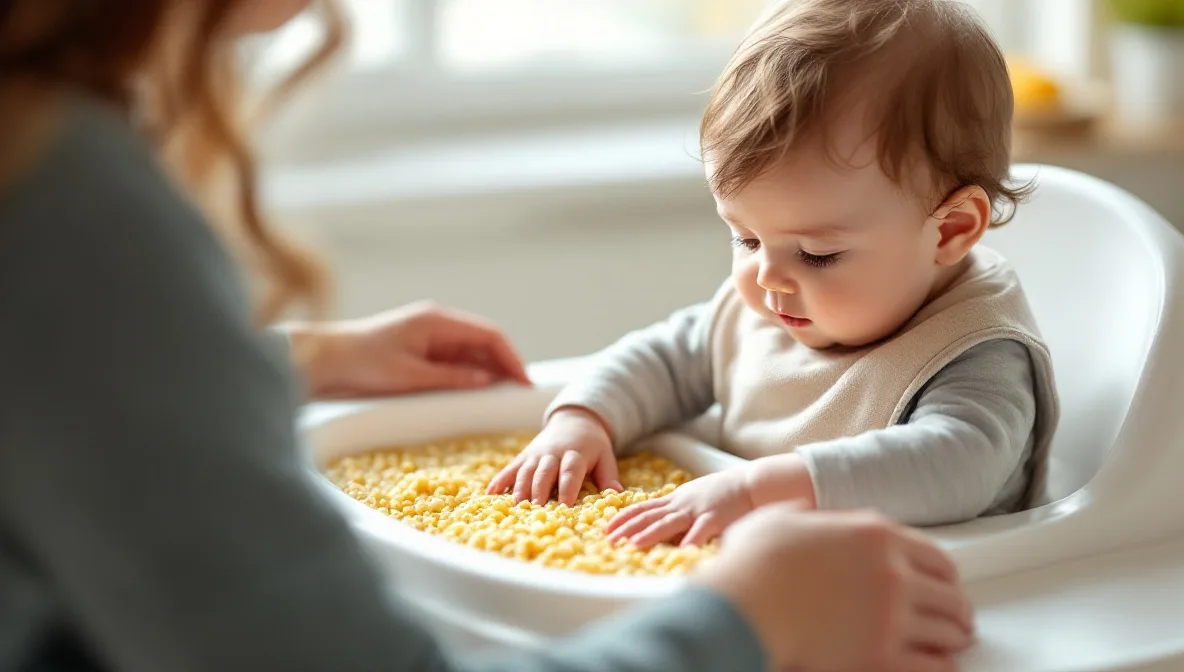
Montessori pouring activities build hand strength, hand-eye coordination, and concentration—all with rice, dried lentils, or dried pasta you have at home. Pour a small amount of dried goods into an open pitcher or small jug, and place an empty ice cube tray, muffin tin, or shallow bowl beside it. Your child practices pouring from one vessel to another, learning to control water or grain flow and observe their own mistakes (spilled lentils on a tray instead of the floor). Start with thicker items like pasta shells; graduate to finer grains like rice as control improves. Each pouring session lasts 10–15 minutes and can be repeated daily.
2. Color and Size Sorting
Gather buttons, safety pins, hair clips, or pasta shapes in 2–3 colors or sizes from around your home. Provide an ice cube tray, muffin tin, or small bowls and let your child sort by color or size. This teaches color discrimination, categorization, and fine motor precision as they pinch small items into compartments. No instructions needed—the activity is self-correcting when your child sees all red buttons in one space and blue in another. Rotate the sorting material every week: buttons one week, pasta shapes the next, safety pins the following week.
3. Tong or Tweezers Transferring
Old kitchen tongs, salad servers, or large tweezers (dollar-store finds) let your child practice pincer grip strength by transferring pom-poms, pasta pieces, or buttons from one container to another. This is one of the most transformative fine motor activities for 2-year-olds because the repetition naturally strengthens the exact muscles needed for holding a pencil later. Set a small basket of items on one side and an empty basket on the other. Your child transfers back and forth independently. As their grip improves, swap to smaller tongs or thinner tweezers.
4. Wiping and Pouring Water Play
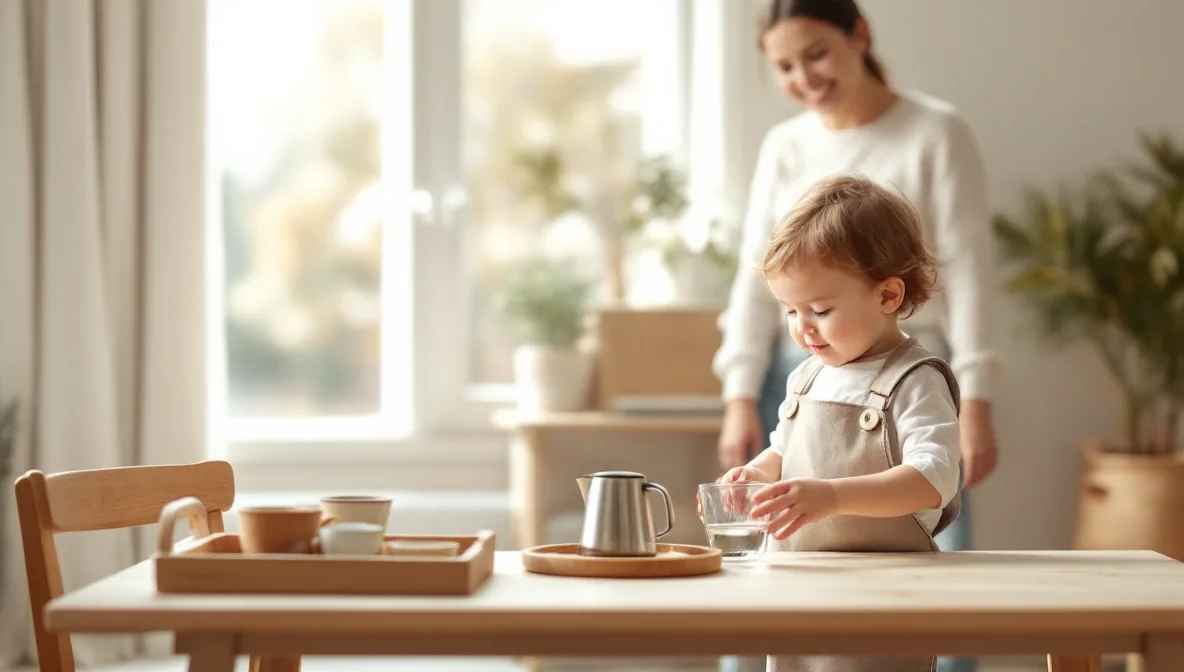
Fill a small bowl with water and place it on a tray with a tiny sponge, cloth, or old dish towel. Pour a few drops onto the tray, then let your child wipe it up. This mimics real practical life tasks—cleaning up after yourself—and builds concentration in a task with a clear beginning and end. It also teaches cause and effect: water spills, and you clean it. Keep a larger towel underneath to catch overflow, and this becomes a calm, absorbing 10-minute activity. It's also a gentle introduction to responsibility and self-care.
5. Sensory Exploration with Nature-Based Materials
Collect dried leaves, small stones, shells, pinecones, or twigs from outside and place them in a shallow basket or wooden tray. Your child explores texture, weight, and color without instruction. This sensory development activity costs nothing and connects your toddler to nature. You can swap the materials seasonally: autumn leaves in fall, smooth stones in summer. Some weeks, add a magnifying glass (free with many library cards) to invite closer observation.
Quick Montessori Sorting and Practical Life Activities for Daily Routines
Beyond the shelf, weave Montessori-inspired activities into daily life to build intrinsic motivation and real-world skills:
| Practical Life Task | Real-World Skill Built | Household Materials Needed |
|---|---|---|
| Helping sort laundry by color | Color discrimination, categorization | Clean socks, underwear, cloths |
| Wiping spills with a cloth | Independence, responsibility, fine motor | Small cloth, spray bottle of water |
| Helping load a low basket with toys | Order, organization, large motor control | Wicker basket, toys from around home |
| Stirring dry ingredients in a bowl | Wrist control, cause and effect | Dried pasta, rice, wooden spoon |
| Putting small objects into a jar | Pincer grip, concentration, sequencing | Glass jar, buttons, pasta, shells |
These activities are not "playtime distractions"—they're genuine work that your child sees you doing daily. When you invite your 2-year-old to participate, you're saying: You are capable and your contribution matters. That's the heart of Montessori.
No-Prep Montessori Activities You Can Set Up in Five Minutes
Some of the easiest DIY Montessori activities for toddlers require zero setup beyond grabbing what you have:
- Painter's tape roads: Stick painter's tape onto your floor in lines and shapes. Your child walks on it, jumps beside it, and practices gross motor control and spatial awareness. Leave it up for 3–4 days, then create a new pattern.
- Scribble and discovery: Tape a large sheet of paper to a low wall or floor, leave chunky crayons nearby, and let your child mark freely. No coloring-book boundaries—just exploration of cause and effect.
- Opening and closing practice: Gather containers with different lids (plastic takeout box, old cookie tin, jar with a loose lid) and let your child practice opening and closing. This builds problem-solving and hand strength.
- Stacking and balancing: Stack plastic cups, wooden blocks, or cans in different ways. Your child observes, knocks them down (a joy at this age), and builds understanding of balance and sequences.
According to expert guidance on Montessori for this age group, these quick, everyday activities teach as much as elaborate setups because they meet your child's developmental needs in real time.
Safety and Age-Appropriate Considerations
Before you set up shelfwork, keep a few safety guidelines in mind. Avoid small, swallowable items like beads, small coins, or nuts if your child still puts things in their mouth (common at 18–30 months). Dried lentils and pasta shapes are safer; they're large enough to handle but not attractive to swallow. Always supervise water-based activities to prevent slipping.
Dried beans and rice are choking hazards, so reserve these for supervised, concentrated work only and keep them away from siblings under 3 years old. For pouring activities, use items no smaller than a grain of rice and always set them on a tray or mat to contain spills. Your child's safety comes first; adapt each activity to your individual child's maturity and habits.
At 2 years old, your child's attention span is typically 8–15 minutes per activity, though some children sustain focus longer on tasks they love. That's perfectly normal and not a sign that they need more stimulation—it's a sign they're developing exactly as expected.
Frequently Asked Questions
What are the best DIY Montessori activities for 2 year olds?
The best activities use real household objects like ice cube trays for sorting, small pitchers for pouring dried goods, old tongs for transferring, and natural materials like leaves and stones for sensory exploration. These build fine motor skills, practical life abilities, and intrinsic motivation with zero cost. Set them up on a low shelf at child height so your toddler can choose and repeat activities independently.
How to make Montessori pouring activities at home for toddlers?
Pour dried lentils, pasta, or rice into a small pitcher or jug and place an empty ice cube tray, muffin tin, or bowl beside it on a tray. Your child practices pouring from one vessel to another, building hand-eye coordination and concentration. Start with larger items like pasta shells and supervise until your child develops control; keep the activity on a contained tray to catch spills.
What practical life tasks can a 2 year old do following Montessori?
Two-year-olds can wipe spills with a cloth, help sort laundry by color, load toys into a basket, stir dry ingredients in a bowl, and practice opening and closing different containers. These real-world tasks build independence, responsibility, and fine motor skills while showing your child that their contribution to the family matters. Montessori philosophy emphasizes that practical work—not games—teaches toddlers most effectively.
Are Montessori activities for 2 year olds expensive or can they be DIY?
Montessori activities are completely affordable to DIY using items you already own: buttons, pasta, dried beans, old tongs, painter's tape, and containers from your kitchen. You need no specialized toys or expensive materials. The Montessori method prioritizes real objects over plastic, so the items in your home are actually ideal for learning and sensory development.
How to introduce nature-based Montessori activities for 2 year olds?
Collect leaves, stones, shells, pinecones, or twigs from outside and place them in a shallow basket on your shelfwork display. Your child explores texture, weight, and color freely without instruction. Swap materials seasonally to keep exploration fresh, and add a magnifying glass to invite closer observation. Nature-based sensory activities teach color discrimination and build a love of the outdoors without screens or purchased materials.
Your child doesn't need expensive Montessori toys to thrive—they need access to real work, freedom to choose, and a calm space to concentrate. By setting up simple activities on a low shelf using items from your home, you're giving them exactly that. Start with one pouring activity this week, add a sorting tray next week, and watch your 2-year-old's focus, coordination, and quiet pride grow. The best Montessori activities for 2 year olds DIY are the ones you start today.

Comments 0
Please Sign in to leave a comment.
No comments yet. Be the first to share your thoughts!