
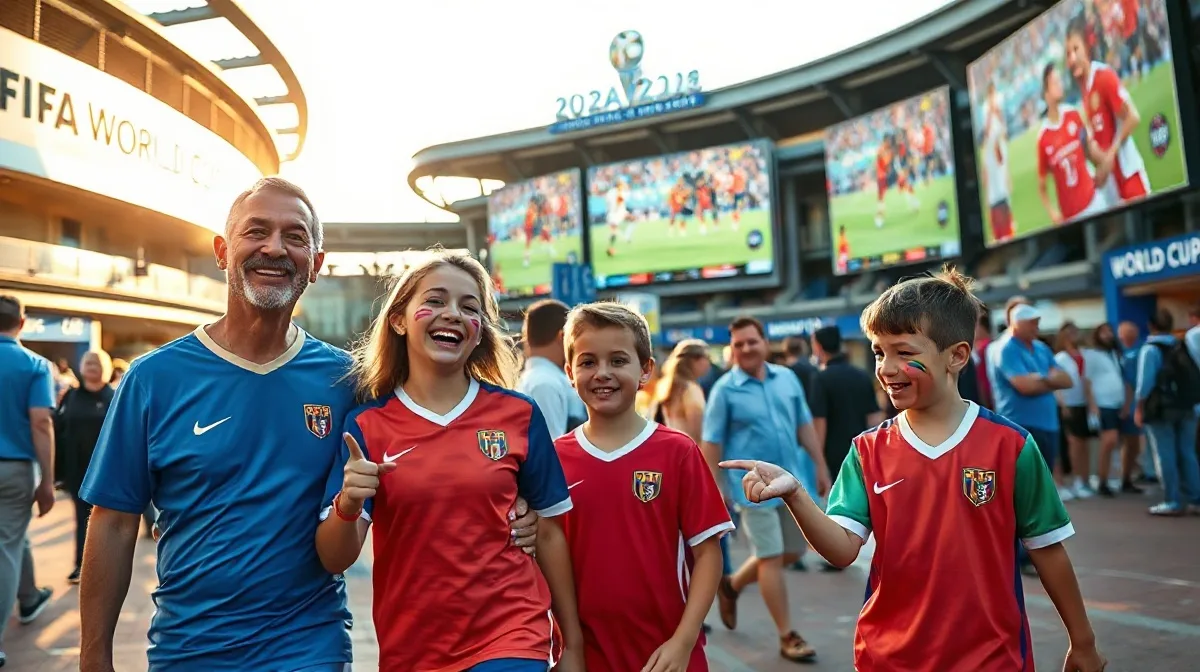
Taking kids to 2026 World Cup tips are the most searched piece of family travel advice right now — and for good reason, because the FIFA World Cup is landing on North American soil across 16 host cities in the United States, Canada, and Mexico from June 11 to July 19, 2026. Get the planning right and your child will carry this memory for decades. Get it wrong and you are managing meltdowns in a crowd of 80,000 people. This guide gives you everything you need — from ticket logistics and stadium rules to keeping a five-year-old cheerful through a two-hour pre-match queue.
Key Takeaways
- Children under two typically enter free; ages two and up generally need a paid ticket — confirm child entry rules venue by venue before you buy.
- Plan for at least three hours of pre-match time to clear security, find your seats, and settle younger children before kickoff.
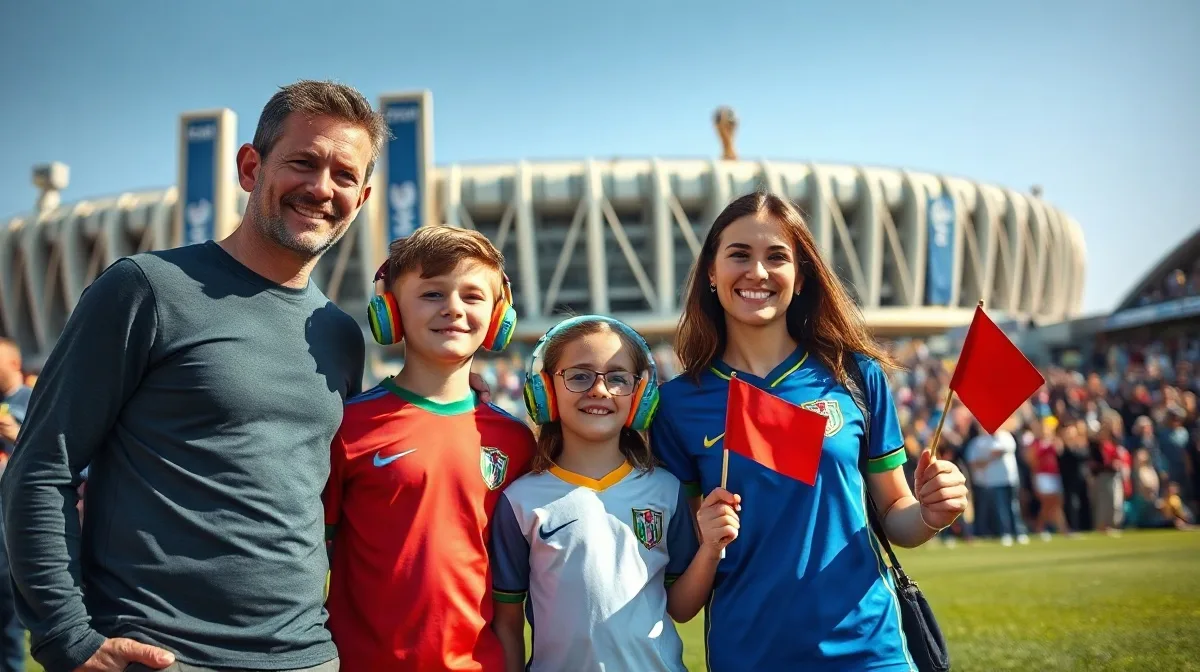
- Pack a dedicated family bag with snacks, ear protection, a printed emergency plan, and a hydration strategy for summer heat.
- Group-stage matches in cities like Seattle, Dallas, and Los Angeles are your best bets for manageable crowds and family-friendly atmospheres.
- Register every child's identity information and agree on a meeting point before you enter the stadium.
Understanding Tickets and Child Entry Rules for 2026
FIFA's ticketing structure for 2026 follows the same model used at Qatar 2022: children under two years old sit on a parent's lap and enter free, while children aged two and older require their own category ticket. According to SeatGeek's family guide to FIFA World Cup child entry rules, some host venues also offer discounted youth pricing for fans aged three to twelve — but availability varies by match category, so check individual venue policies the moment sales open.
Tickets are sold in phases directly through FIFA's official portal. Phase one — supporter tickets linked to national associations — typically opens six to twelve months before the tournament. General sale follows. Do not rely on third-party resellers for your children's tickets; FIFA's verified resale platform is the only safe secondary-market option. Set calendar reminders and log in early; popular matches in Dallas, New York/New Jersey, and Los Angeles sell out within hours.
Choosing the Right Match Category
FIFA assigns matches a Category 1 through 4 price band based on importance. For families, group-stage matches (Categories 3–4) are the sweet spot: lower prices, shorter queues, and a more relaxed atmosphere than knockout rounds. The semi-finals and final at MetLife Stadium will be spectacular — but the sensory intensity is significantly higher and ticket prices can exceed $500 per seat.
Choosing the Best Host City for Families
Not all 16 host cities are equally family-friendly. Seattle, for instance, has a compact stadium footprint, excellent public transit, and relatively mild July temperatures — a real advantage when you are towing a seven-year-old and a pram. ParentMap's 2026 FIFA World Cup Seattle guide highlights family zones, nearby parks, and kid-friendly dining options within walking distance of Lumen Field that make the day far less stressful.
Dallas and Miami, by contrast, host matches in July heat that routinely exceeds 95°F (35°C). If you are taking a child under six to either of those venues, shade planning and hydration schedules are not optional extras — they are safety essentials. The American Academy of Pediatrics recommends that young children consume roughly 5–8 ounces of water every 20 minutes during vigorous outdoor activity in the heat.
| Host City | Stadium | July Avg. Temp (°F) | Family-Friendly Factor |
|---|---|---|---|
| Seattle, WA | Lumen Field | 72°F | Excellent — mild climate, easy transit |
| Los Angeles, CA | SoFi Stadium | 83°F | Good — large venue, parking challenges |
| Dallas, TX | AT&T Stadium | 97°F | Moderate — fully air-conditioned interior |
| New York/NJ | MetLife Stadium | 85°F | Good — transit access, but very large crowds |
| Vancouver, BC | BC Place | 72°F | Excellent — retractable roof, family zones |
What to Pack in Your Family Stadium Bag
Stadium security rules for 2026 will follow NFL/MLS venue standards: clear bags no larger than 12" × 6" × 12" are mandatory at most US venues. That means you need to be deliberate about what comes in. A well-packed family bag makes the difference between a smooth match day and a 40-minute queue at the medical tent.
- Ear defenders or foam earplugs — stadium noise regularly hits 100–110 decibels; the CDC recommends hearing protection above 85 dB for children.
- High-calorie, no-mess snacks: nut butter pouches, dried mango, cereal bars — keep hunger at bay between stadium food runs.
- A small refillable water bottle per person (confirm the venue allows sealed or empty bottles before match day).
- A printed, laminated card in your child's pocket showing your phone number, their full name, seat location, and an agreed meeting point.
- Sunscreen SPF 50+ and a hat for outdoor stadiums and fan zones.
- A lightweight change of clothes for toddlers and a zip-lock bag for anything wet.
- A small first-aid kit: plasters, an antihistamine, any prescription medication your child takes regularly.
Safety Planning Before You Set Foot in the Stadium
Large-crowd safety is the area where preparation pays off most dramatically. Before you travel, photograph your children in their match-day outfits — a current image on your phone lets security or police respond instantly if anyone gets separated. For children old enough to understand (roughly age four and up), run a simple role-play: "If you can't find us, find a person in a yellow security vest and say your name and our seat number."
Agree on a meeting point outside the stadium as well as inside it, because mobile networks near a full stadium frequently become overloaded. Kickoff Adventures' World Cup 2026 family travel guide recommends identifying the nearest family assistance centre at each venue — FIFA typically designates these near main concourses — and pointing them out to your children the moment you arrive.
Managing Sensory Overwhelm in Young Children
For children with sensory sensitivities — including those on the autism spectrum — a 90,000-seat stadium is an intense environment. Arrive at least 90 minutes before kickoff so your child can acclimatise while the crowd is still thin. Many venues have designated quiet rooms or sensory-friendly spaces; email the stadium's accessibility team at least four weeks in advance to confirm availability and reserve access if needed.
Age-Appropriate Expectations and Entertainment Strategies
A realistic picture of what each age group can handle helps you build the right match-day experience rather than an idealised one. Toddlers aged two to three will genuinely enjoy the noise, colour, and energy for about 45 minutes before fatigue sets in — bring a carrier so you can soothe them without navigating a crowd with a buggy. Children aged four to seven can typically manage a full match if they have snacks, a clear view, and occasional commentary from you explaining what is happening on the pitch.
Kids aged eight and up are often the most engaged fans in the family — they have usually absorbed enough football knowledge through school, gaming, or watching matches at home to follow the game independently. Give them a small job: tracking shots on target on a tally sheet, managing the snack bag, or documenting the day with a basic camera. Ownership increases engagement and reduces boredom dramatically.
Getting There, Getting Home, and Managing Match-Day Logistics
Public transit is almost always the right call for World Cup match days. Parking at stadium venues typically costs $50–$80 and can trap you in gridlock for two hours after the final whistle — exhausting under normal circumstances, genuinely punishing with tired children. Most host cities are running enhanced transit services for the tournament, with dedicated fan shuttles from major transit hubs.
Plan your departure strategy before you leave home. Leaving five minutes before the final whistle is not defeatist — it is smart parenting. You sacrifice a small amount of atmosphere but gain 30–45 minutes on the crowd and get your children home before complete exhaustion sets in. If your match kicks off at 6pm local time, a young child will likely be hitting their energy wall right around the 80th minute anyway.
Frequently Asked Questions
Do children need their own ticket for the 2026 World Cup?
Children under two years old do not need a separate ticket and may sit on a parent's or guardian's lap. Children aged two and older require their own purchased ticket, though discounted youth categories may be available for certain matches — check FIFA's official ticketing site for the most current age brackets and pricing tiers by venue.
What is the best age to take a child to a World Cup match?
Most child development experts and experienced football-attending parents find that age six or seven is a practical sweet spot: children are old enough to follow the game, handle the noise with hearing protection, and retain vivid memories of the experience. That said, enthusiastic four- and five-year-olds have a wonderful time at group-stage matches with the right preparation and realistic expectations from parents.
Are stadiums at the 2026 World Cup stroller-friendly?
Policy varies by venue, but most major US stadiums do not permit large strollers in the seating bowl. Compact, fold-flat umbrella strollers are often allowed but must be stowed under your seat. Contact each specific stadium's accessibility office before match day to confirm their current policy, and consider a structured baby carrier as a flexible alternative.
How early should families arrive at a 2026 World Cup match?
Families with children should aim to arrive at the stadium at least two to three hours before kickoff. This window allows time to clear security (queues can stretch 60–90 minutes on busy match days), find your seats, visit concessions without a rush, and let younger children settle into the environment before the noise level peaks at kickoff.
Can I bring food and water into 2026 World Cup stadiums?
Most US host venues follow NFL bag policies that permit sealed, factory-unopened water bottles (typically up to one litre) and small snacks for children with medical or dietary needs. Outside food for general admission is usually restricted. Always check the specific stadium's prohibited items list in the weeks leading up to your match, as policies can be updated closer to the tournament.
Taking kids to the 2026 World Cup tips work best when you treat the day as a marathon, not a sprint — build in buffer time, keep expectations age-appropriate, and celebrate every small moment from the pre-match fan zone buzz to the final whistle. The football is the backdrop; the shared experience is the point. Start your planning now and your family will be ready to enjoy every minute of the biggest sporting event on the planet.
Comments 0
Please Sign in to leave a comment.
No comments yet. Be the first to share your thoughts!