
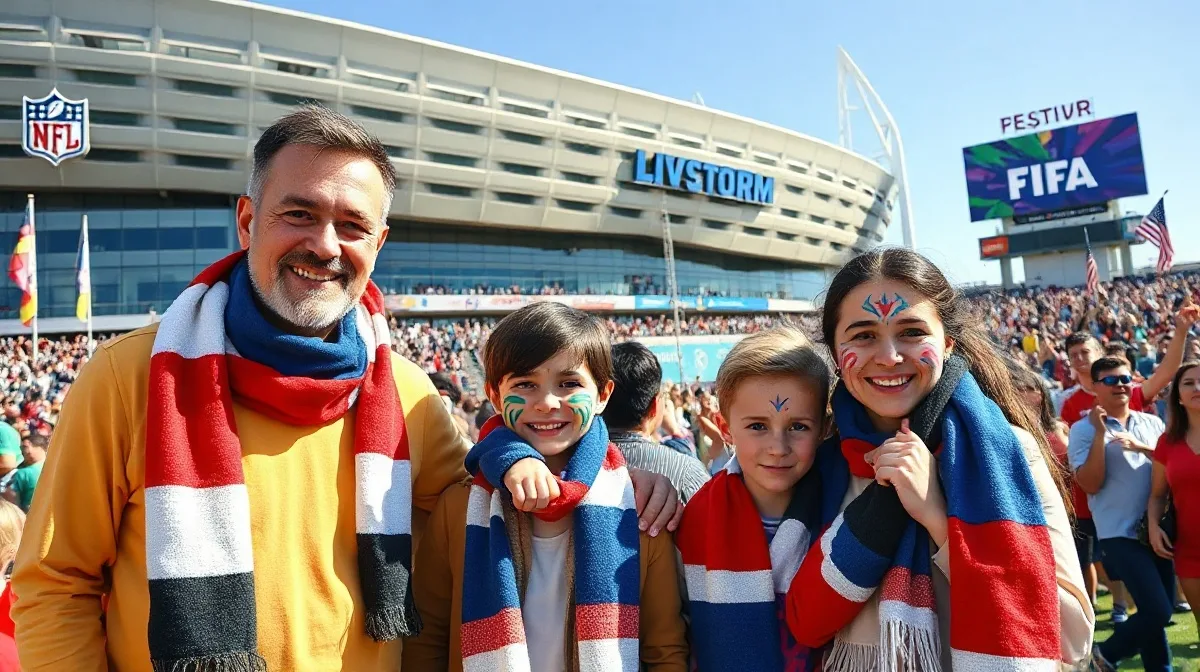
If you're serious about taking kids to the 2026 World Cup, now is the time to plan — this is the first World Cup hosted across three countries (USA, Canada, and Mexico), spanning 16 cities and running from June 11 to July 19, 2026, which means the logistics are more complex than any previous tournament. The good news: with the right preparation, it's one of the most electric, genuinely family-friendly sporting events on the planet. This guide walks you through everything — tickets, travel, stadium realities, and keeping kids of all ages happy from kick-off to the final whistle.
Key Takeaways
- Children under 2 years old typically enter free on a parent's lap; always verify the specific stadium's child ticket policy before purchasing.
- The 2026 World Cup spans 11 U.S. cities, 2 Canadian cities, and 3 Mexican cities — choosing a host city wisely reduces travel stress with kids enormously.
- Match days at major NFL-converted stadiums run long; plan for 4–5 hours at the venue and pack snacks, ear protection for toddlers, and layers.
- Book accommodation within 30–45 minutes of the stadium to protect nap schedules and avoid post-match crowd chaos.
- The FIFA Fan Festivals are free, family-friendly alternatives to stadium tickets and a brilliant backup for days when stadium tickets are unavailable.
Understanding Child Ticket Rules for the 2026 World Cup
One of the most common questions parents ask is whether children need their own ticket. FIFA's general policy allows children under 2 years old to attend for free when seated on a parent's or guardian's lap, but this is subject to individual venue capacity rules. For children aged 2 and older, a ticket is required. According to SeatGeek's family guide to the FIFA World Cup, some host stadiums offer discounted child tickets in family seating sections, so it pays to check availability early through the official FIFA ticketing portal rather than third-party resellers.
Tickets for the group stage went on sale in phases beginning in 2024 and resale demand is fierce. Set calendar reminders for any remaining sales windows. If you miss the official sale, the FIFA Ticket Resale platform is the only legitimate secondary marketplace — avoid unofficial sites, which carry a real risk of fraud.
Choosing the Right Host City for Your Family
Not all 16 host cities are created equal when you're travelling with children. Some offer far better family infrastructure, weather conditions in June and July, and proximity to attractions that keep kids entertained beyond match day. Here's a quick comparison of popular U.S. host cities to help narrow your choice.
| Host City | Stadium | Avg. June Temp (°F) | Family-Friendly Highlights |
|---|---|---|---|
| Seattle, WA | Lumen Field | 65–70 | Pike Place Market, aquarium, mild weather, strong transit |
| Dallas, TX | AT&T Stadium | 88–95 | Perot Museum, Six Flags nearby — but extreme heat requires planning |
| New York/New Jersey | MetLife Stadium | 75–82 | Central Park, museums, iconic city experience |
| Los Angeles, CA | SoFi Stadium | 72–78 | Beaches, theme parks, consistent sunshine |
| Vancouver, Canada | BC Place | 62–68 | Stanley Park, Granville Island, family-safe downtown |
Seattle in particular has drawn praise from family travel writers. ParentMap's 2026 FIFA World Cup Seattle guide highlights the city's walkable waterfront, reliable public transport, and the fact that Lumen Field is compact enough that younger kids won't be exhausted before they even reach their seats. If you're based on the West Coast, it's arguably the smartest family pick.
What to Pack for Match Day with Kids
A prepared bag is the difference between a magical memory and a miserable afternoon. Stadium security at World Cup venues follows NFL-style clear-bag policies, so your carry-in must fit inside a clear plastic bag no larger than 12" x 6" x 12". Plan your packing accordingly.
The Essential Family Stadium Kit
- Ear protection for children under 5: Sound levels in large stadiums regularly exceed 100 decibels during celebrations. According to the American Academy of Pediatrics, sustained exposure above 85 dB can cause hearing damage in young children — bring proper earmuffs, not just foam earplugs.
- Snacks and a refillable water bottle: Most venues permit sealed, commercially bottled water or an empty refillable bottle. Avoid sugary drinks that spike energy and cause crashes mid-match.
- Sunscreen SPF 50+: Many seats in NFL stadiums have limited shade, and June sun in cities like Dallas or Los Angeles is intense. Reapply every 90 minutes.
- A light layer or poncho: Evening group-stage kick-offs can get cool, especially in Seattle or Vancouver.
- Small activity pack for under-7s: A compact colouring book or simple sticker book fills the long pre-match build-up and any tedious stoppages.
- Printed ID and ticket screenshots: Mobile data in packed stadiums is notoriously unreliable — always have a screenshot or printout backup.
Navigating Stadiums Safely with Young Children
World Cup stadiums hosting up to 80,000 fans are overwhelming even for adults. Designate a meeting point — a specific gate number or a landmark concession stand — before you enter, and make sure children aged 5 and older can recite your mobile number from memory. For children under 5, write your number on a wristband or on a small card tucked into their pocket.
Arrive early. Doors typically open 90 minutes before kick-off. Arriving 75–90 minutes ahead means you beat the worst of the crowd surge, find your seats without rushing, and give kids time to visit restrooms, explore the concourse, and absorb the atmosphere before the stadium fills. Post-match crowd management is the hardest part for families — stay in your seats for 10–15 minutes after the final whistle to let the initial surge thin out. Most stadiums direct families with young children to designated low-congestion exits; ask a steward as soon as you arrive.
Making the Most of Fan Festivals and Free Events
You don't need a stadium ticket to have an unforgettable World Cup experience. FIFA Fan Festivals are large, free outdoor events set up in host cities, typically featuring live screenings on giant screens, interactive football skills zones, food vendors, cultural performances, and merchandise. These are genuinely brilliant for families — entry is free, children can move around, and the atmosphere rivals the stadium itself for group-stage matches.
The Kickoff Adventures 2026 World Cup family travel guide recommends building a trip that blends one stadium match with two or three Fan Festival days, which dramatically cuts costs and is often better for kids under 7 who may struggle with the full stadium experience. Check local city tourism boards for additional free events — many host cities are planning neighbourhood street fairs and cultural programming throughout the tournament.
Health, Safety, and Wellbeing Considerations
Heat safety is genuinely serious for a summer tournament. Children are more vulnerable to dehydration and heat exhaustion than adults, and cities like Dallas, Houston, and Miami can see heat indices above 100°F in July. Schedule the most physically active parts of your day — city sightseeing, walking to the stadium — in the morning, and plan rest time in air-conditioned spaces in the early afternoon. Hydration should be proactive, not reactive: encourage children to drink water every 30 minutes, even if they say they're not thirsty.
Travel vaccinations and health insurance are non-negotiable if you're crossing into Mexico for matches in Guadalajara, Monterrey, or Mexico City. Check current guidance from the CDC or your country's travel health authority at least eight weeks before departure. International travel health insurance that covers children specifically is widely available and worth every cent when travelling with under-18s.
Jet lag and disrupted sleep routines affect children more sharply than adults. If you're flying across multiple time zones, build a buffer day into your itinerary — arrive at least one full day before match day so kids can adjust, eat a meal at local time, and sleep before the big event.
Frequently Asked Questions
Do children under 2 get into the 2026 World Cup for free?
FIFA's general policy allows children under 2 to attend for free when seated on a parent's lap, but individual stadium rules may vary. Always confirm directly on the official FIFA ticketing website before assuming free entry, as some venues require a ticket for all attendees regardless of age.
What is the best host city for families taking kids to the 2026 World Cup?
Seattle and Los Angeles are widely considered the most family-friendly U.S. host cities, thanks to mild weather, strong public transit, compact stadiums, and a wealth of child-friendly attractions nearby. Vancouver is an excellent choice for Canadian families or those seeking cooler summer temperatures.
How long does a World Cup match day actually take with kids?
Plan for a total of 4–5 hours at the venue: 90 minutes before kick-off for entry, roughly 105 minutes of match time (plus stoppages and half-time), and 30–45 minutes to safely exit after the match. Factor in travel time and wind-down when planning meals and bedtime around match days.
Are FIFA Fan Festivals suitable for toddlers and young children?
Yes — Fan Festivals are open outdoor spaces with free entry, which makes them far more manageable for toddlers than stadium matches. Children can move around freely, the noise level is lower, and there are usually food and activity zones specifically designed for families. They're an excellent way to enjoy the World Cup atmosphere without the intensity of a packed stadium.
Is it safe to take kids to matches in the Mexican host cities?
Guadalajara, Monterrey, and Mexico City are all established tourist destinations with strong infrastructure around major events. That said, you should review current travel advisories from official sources like the U.S. State Department or your country's foreign affairs authority, ensure all travel vaccinations are up to date, and carry comprehensive travel health insurance. With sensible precautions, many families visit Mexican cities safely every year.
Taking kids to the 2026 World Cup is one of those rare experiences that can shape a child's love of sport, travel, and the world for life — and with the practical groundwork laid well in advance, it's genuinely achievable for families at a range of budgets. Start with the city, nail the tickets, pack smart for match day, and lean on the free Fan Festivals to fill the gaps. Your family's World Cup story is waiting to be written.


Comments 0
Please Sign in to leave a comment.
No comments yet. Be the first to share your thoughts!