
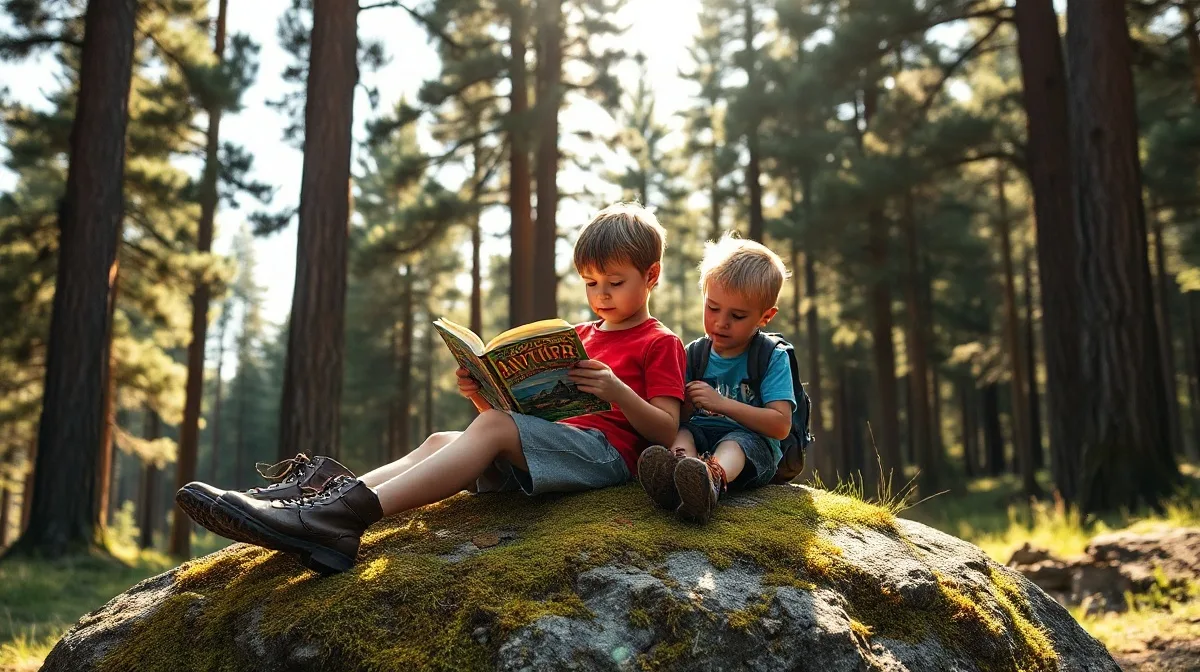
The best outdoor adventure books for kids do something remarkable: they plant a seed of curiosity that pulls children off the sofa and into the woods, onto the trail, or into their own backyard ecosystem. In the next few minutes you will find age-graded recommendations, a quick comparison table, and honest advice on matching the right book to the right child — so you can hand them something they will actually finish.
Key Takeaways
Why Outdoor Adventure Books Light a Real Spark
Books are one of the most underrated tools for getting kids outdoors. When a ten-year-old reads about a character building a debris shelter in a thunderstorm, they immediately want to test that skill in the garden. Research published by the National Trust in the UK found that children who engage with nature stories show higher rates of independent outdoor play compared with those whose media diet is purely screen-based.
The best titles combine authenticity with storytelling tension. Authors who have actually paddled a river or slept under a tarp write scenes that ring true — and kids, even young ones, notice the difference between hollow adventure and the real thing.
Best Outdoor Adventure Books for Kids Ages 4–7
At this age, vivid illustrations carry as much weight as the words. Look for books that name actual plants, animals, or weather phenomena — those small accurate details build a child's environmental vocabulary long before formal science lessons begin.
Reading these books aloud before a nature walk — even a short one around the neighbourhood — gives children a mental framework for what they are about to see. Twenty minutes of shared reading can transform a reluctant walker into an enthusiastic one.
Best Outdoor Adventure Books for Kids Ages 7–10
This is the golden age for chapter-book adventure. Children in this range can handle longer arcs, genuine peril, and morally complex characters. Discovering a New has a well-researched list of outdoor adventure books for children aged 7–12 that is worth bookmarking alongside this guide.
Middle-Grade Epics for Ages 10–14
Older children need stories that respect their growing sophistication. The best books for this age group tackle real environmental stakes — climate, conservation, Indigenous land stewardship — alongside pulse-racing plots. Goodreads' community list of realistic children's outdoor adventure stories is a reliable crowd-sourced resource for discovering titles beyond the mainstream.
Wilder Boys by Brandon Wallace follows two brothers navigating the Rocky Mountain wilderness after escaping a troubled home — gripping and emotionally honest. Tracks by Robyn Davidson is technically adult narrative nonfiction, but mature readers aged 13 and up find it transformative. For a contemporary environmental angle, The Wild Robot by Peter Brown (ages 8–12) uses a robot castaway to examine ecosystems, adaptation, and belonging in a way that lingers long after the final page.
Nonfiction Titles That Build Real Outdoor Skills
Fiction fires the imagination; nonfiction equips the hands. Pairing a novel like Hatchet with a practical field guide creates a powerful learning loop. According to MeatEater's curated guide to the best books for outdoor kids, nonfiction titles are increasingly popular with families who want reading to translate directly into outdoor confidence.
At-a-Glance Comparison: Top Picks by Age and Type
How to Turn a Great Book Into an Outdoor Experience
The real payoff comes when reading and doing overlap. After your child finishes Hatchet, spend one afternoon in a local park trying to identify three edible or useful plants together — not to eat them, but to build awareness. Always supervise any hands-on bushcraft with children under 12, especially activities involving fire or sharp tools; the Scout Association recommends a minimum adult-to-child ratio of 1:6 for outdoor skills sessions.
Create a simple reading-to-adventure ritual: every book earns one related outdoor activity. My Side of the Mountain might inspire building a small debris lean-to in the garden. Over and Under the Pond could lead to a pond-dipping session at a local nature reserve. These micro-adventures cost nothing, require no special equipment, and cement both the story and the skill in a child's memory for years.
Frequently Asked Questions
What age should kids start reading outdoor adventure books?
You can start as early as age 4 with illustrated picture books that feature nature settings and outdoor exploration. By ages 7–8, most children are ready for chapter-book adventures with genuine survival plots. The key is matching reading level to interest, not just age.
Are the survival skills in books like Hatchet actually accurate?
Gary Paulsen drew on his own extensive wilderness experience when writing Hatchet, and most of the core survival principles — finding water, building shelter, signalling for rescue — align with guidance from organisations like the American Red Cross. That said, always treat fictional survival scenes as inspiration rather than a complete instruction manual.
How do I get a reluctant reader interested in outdoor adventure books?
Start with a short, visually rich title that connects directly to something the child has already experienced outdoors — even a trip to the park. Audiobook versions of titles like Hatchet and My Side of the Mountain are exceptionally well narrated and work brilliantly for children who resist sitting with a page.
Can outdoor adventure books help with anxiety in children?
Stories featuring characters who face genuine challenges and develop competence can build vicarious resilience, according to child psychologists at the University of Cambridge who study bibliotherapy. While books are not a substitute for professional support, reading about characters who navigate fear and uncertainty in natural settings can gently expand a child's sense of what they are capable of.
Are there outdoor adventure books that feature diverse characters?
Absolutely. Island of the Blue Dolphins centres an Indigenous Chumash protagonist; Wilder Boys features children from a mixed-race background; and the growing #OwnVoices movement in children's publishing has produced titles like Front Desk by Kelly Yang and Merci Suárez Changes Gears that weave outdoor and community settings with diverse lead characters. Your local librarian is your best guide to recent releases in this space.
Choosing the best outdoor adventure books for kids is ultimately about knowing your child — their current reading level, their outdoor comfort zone, and the landscapes available to them. Start with one title from the table above, read the first chapter together, then plan a small outdoor activity that mirrors what the characters are doing. That single loop of reading and doing is enough to build a habit that lasts a lifetime.


Comments 0
Please Sign in to leave a comment.
No comments yet. Be the first to share your thoughts!