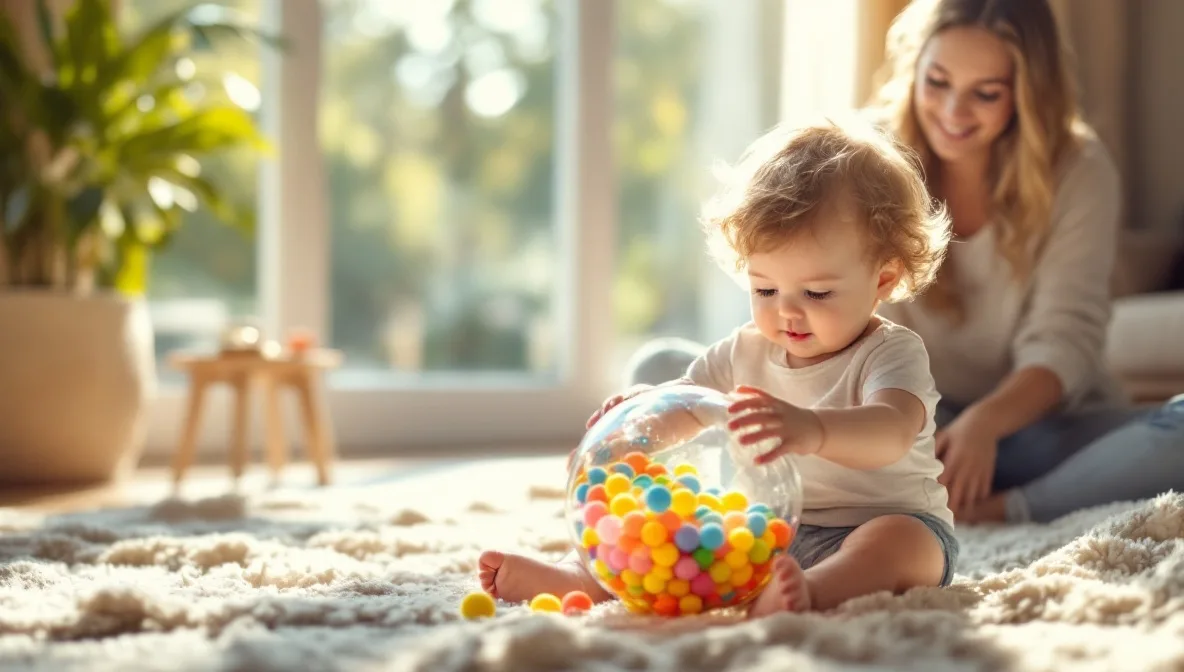
Are sensory bottles safe for toddlers? Yes—when they're made with the right fillers, sealed securely with superglue or hot glue and reinforced tape, and inspected regularly for wear or leakage. However, even sealed sensory bottles do carry a small but real choking risk from unsealed contents like undissolved water beads or small popcorn kernels, which is why many childcare centers and preschools ban them entirely. Understanding exactly what goes inside, how to seal them properly, and what age your child is actually ready for makes all the difference between a calming, developmentally enriching toy and a genuine safety hazard.
Key Takeaways
- Sealed sensory bottles are generally safe for toddlers 18 months and older if filled with large, non-toxic, non-food items and sealed with multiple layers of superglue, hot glue, and waterproof tape.
- Water beads, small popcorn, and glitter are high-risk fillers that should never go into toddler sensory bottles—even when sealed—because they remain choking hazards if the seal fails.
- Many daycares and preschools prohibit sensory bottles not because sealed bottles inherently fail, but because faulty DIY sealing, wear over time, and undetectable internal hazards create liability and observation challenges.
- Regular inspection every 2–4 weeks is essential; discard any bottle with visible cracks, cloudiness, leaking, or loose caps.
- Edible sensory bottles (designed to be mouthed or eaten) are safest for children under 12 months but require constant supervision and immediate cleanup.
Understanding Sensory Bottles: What They Are and Why Toddlers Love Them
Sensory bottles are transparent plastic containers filled with objects, liquids, and textures designed to engage a toddler's senses—sight, sound, and touch—during independent, mess-free play. They're simple to use: a child holds the bottle, rotates it, listens to the sounds, watches the movement of contents, and sometimes learns cause-and-effect (shaking makes it louder). According to Family Futures, sensory bottles support fine motor skills development, focus, and self-regulation, making them popular tools in homes and classrooms for children ages 6 months to 4 years.
The appeal is genuine: a toddler fascinated by a sensory bottle is engaged, learning, and often calmer. But this same appeal—the bottle's portability, the enclosed, unsupervised play, and the sealed contents—is exactly why safety is critical. Unlike a pile of blocks or a basket of sensory toys that you can see and access instantly, a sealed sensory bottle keeps its contents hidden and difficult to inspect once it begins to wear.
Safe vs. Unsafe Sensory Bottle Fillers: A Clear Breakdown
| Filler Type | Safe for Toddlers? | Why or Why Not | Best Age |
|---|---|---|---|
| Large pom-poms (1 inch+) | Yes | Non-toxic, too large to choke on, colorful, make soft sounds | 18 months+ |
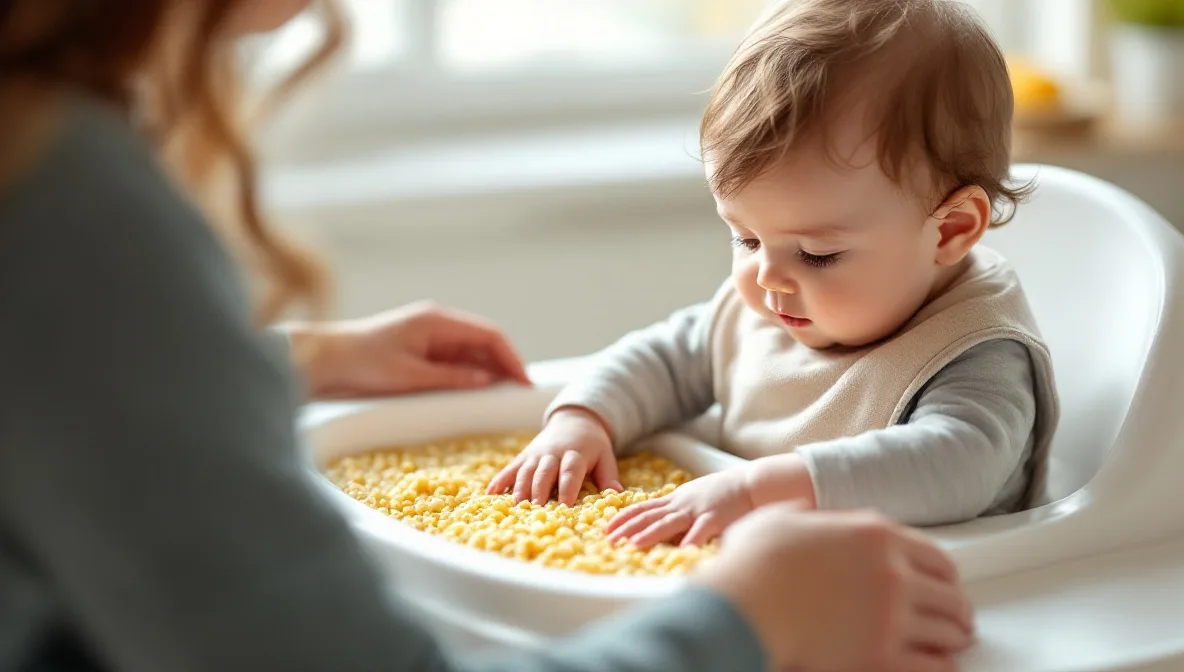
| Rice or dried pasta (sealed bottle only) | Yes | Natural, auditory appeal, no toxicity risk if bottle stays sealed | 18 months+ |
| Water beads | No | Choking hazard if seal fails; contain polymers; can dissolve unpredictably inside bottle | Not recommended |
| Glitter (loose) | No | Inhalation risk; loose particles escape easily; can irritate eyes and lungs | Not recommended |
| Small buttons or beads | No | Direct choking hazard; too small; attract toddler curiosity to open bottle | Not recommended |
| Popcorn (sealed bottle) | No | Kernels and unpopped pieces are choking hazards; no benefit outweighs the risk | Not recommended |
| Food coloring + water or oil | Yes | Non-toxic, creates movement and color, slow-motion effect calms toddlers | 6 months+ (sealed only) |
| Edible sensory materials (icing, sprinkles, frozen fruit puree) | Yes, with supervision | Safe to mouth; designed to be eaten; requires active supervision and immediate cleanup | 6-12 months |
How to Make Sensory Bottles Safe: Sealing and Construction
The Three-Layer Seal Method
A truly safe sensory bottle relies on redundant sealing, not a single cap. Here's the gold-standard approach:
- Fill and hot glue the cap: After filling your bottle with chosen fillers, apply a thick bead of hot glue around the inside of the cap's threading, then screw it on tightly. Hold for 30 seconds. This prevents simple unscrewing.
- Seal the cap with superglue: Once the hot glue cools, apply a small amount of superglue (cyanoacrylate) around the cap's exterior edge where it meets the bottle neck. Superglue creates an airtight chemical bond and prevents the cap from being pried off by small hands.
- Wrap with waterproof tape: Cover the glued cap and the top quarter-inch of the bottle neck with waterproof duct tape or Gorilla tape, wrapping it around at least twice. This provides a physical barrier and alerts you to tampering—tape peeling is immediately visible.
This three-layer approach ensures that even if a toddler applies significant force, the bottle is unlikely to open. However, no seal is permanent; wear, UV exposure, and heat degrade adhesives over time.
Bottle Selection Matters
Use only durable, food-grade plastic bottles rated for repeated use—such as clear plastic spice jars, water bottles, or bottles designed specifically for sensory play. Avoid thin, brittle plastic or bottles with sharp seams that might crack. Test the bottle by filling it with water, sealing it, and shaking vigorously; it should remain completely watertight and show no flex or stress marks.
Why Daycares and Preschools Ban Sensory Bottles (And What That Means for Home)
Many childcare centers prohibit sensory bottles not because a perfectly sealed, well-maintained bottle is inherently dangerous, but because they cannot guarantee every parent seals it correctly, inspect it daily, or replaces it when it degrades. A seal that looks fine might have microfractures. A filler like rice or popcorn is safe when the seal is intact but becomes a direct choking hazard the moment the seal fails—and no adult in a busy classroom can detect that failure by sight alone.
From a liability standpoint, sensory bottles represent a risk that's hard to monitor in real time. An open basket of toys can be visually scanned instantly; a sealed bottle cannot. Additionally, some bottled sensory activities (especially water beads) are outright dangerous; banning the entire category is administratively simpler than evaluating each bottle individually.
At home, where you are the sole supervisor and can inspect your bottles every 2–4 weeks, the risk is significantly lower—but it is not zero.
Are Sealed Sensory Bottles With Water Beads Safe? The Short Answer: No
Water beads and polymer beads are never safe for toddler sensory bottles, sealed or not. Here's why:
- They dissolve unpredictably: Inside a sealed bottle, water beads absorb moisture over weeks or months and can break apart into smaller pieces or partially dissolve into a sludgy gel. If the bottle seal fails, your toddler may encounter choking hazards that weren't visible before.
- They're a documented choking hazard: The American Academy of Pediatrics and poison control centers have recorded incidents of water bead ingestion in young children, resulting in bowel obstruction and requiring emergency intervention.
- They contain non-food-grade polymers: Water beads are manufactured from super-absorbent polymer (SAP), not a food-safe material. If your child managed to breach the seal and ingest them, there's a toxicity risk.
- They attract tamper attempts: Toddlers are naturally curious about sealed containers. A bottle with colorful beads inside is more likely to trigger an attempt to open it than a bottle with rice or pom-poms.
Avoid water beads in toddler sensory bottles entirely. If you want the visual appeal of movement and color, use food coloring mixed with water or mineral oil instead—it's safer, cheaper, and just as mesmerizing.
Regular Inspection: The Often-Forgotten Safety Step
Even a perfectly sealed sensory bottle degrades with use. Establish a routine inspection schedule every 2–4 weeks, and immediately remove any bottle that shows signs of wear:
- Visible cracks, cloudiness, or stress marks on the plastic
- Any leaking or seeping from the cap or seal
- Loose, peeling, or missing tape
- Cap that feels loose when twisted gently
- Any change in the appearance of contents (settling, separation, color change, or mold growth—though mold is rare in properly sealed bottles)
Write the creation date on your bottle with a permanent marker. Bottles used heavily (daily) may need replacement every 6–12 months; lightly used bottles may last 18 months or longer. When in doubt, discard and make a new one.
Edible Sensory Bottles: A Safer Alternative for Very Young Toddlers
For children under 12 months or those still in the mouthing stage, edible sensory bottles made from yogurt, icing, sprinkles, or frozen fruit puree offer sensory engagement without choking risk. These bottles are designed to be handled, mouthed, and eventually eaten under direct supervision.
To make an edible sensory bottle: fill a sturdy plastic bottle or ziplock bag halfway with unsweetened applesauce or plain yogurt, add a small amount of non-toxic food coloring, a sprinkle of edible glitter, and refrigerate. Seal the bag well, place it inside a second bag for leak containment, and supervise the entire time your child is playing. These bottles should be used once and discarded; they are not meant for reuse or long-term storage.
Edible bottles eliminate the choking hazard entirely because all contents are safe to swallow. However, they require constant supervision and should never be left alone with your child, and cleanup is more involved than with sealed bottles.
Age Recommendations and Development Context
Sensory bottles are not recommended for children under 6 months, as they lack the motor control and interest to safely interact with them. From 6 to 12 months, edible bottles under supervision are appropriate; sealed bottles with large, soft items (pom-poms, fabric) can be introduced to older babies with careful monitoring.
From 18 months onward, toddlers have enough motor control and fewer mouthing reflexes that sealed sensory bottles with appropriate fillers become a suitable, enriching activity. However, every toddler is different: if your 18-month-old still mouths everything indiscriminately, wait a few months. The developmental readiness matters more than age alone.
By age 3 or 4, most children understand that bottles are not to be opened and destroyed, making sensory play safer. At this age, a wider range of sensory bottles with different fillers and textures can support creative, imaginative play.
Frequently Asked Questions
Are sensory bottles safe for toddlers to play with?
Yes, sensory bottles are safe for toddlers 18 months and older when filled with large, non-toxic items, sealed with multiple layers of superglue, hot glue, and waterproof tape, and inspected regularly for damage. The key is using appropriate fillers and a secure closure; unsafe fillers like water beads or small popcorn kernels carry a choking risk even in sealed bottles.
What are safe fillers for sensory bottles for toddlers?
Safe fillers include large pom-poms (1 inch or larger), dried rice, dried pasta, non-toxic food coloring mixed with water or mineral oil, and large foam pieces. Avoid small beads, buttons, glitter, water beads, popcorn, and anything smaller than a toilet paper tube opening (the "choke test" standard).
Are water beads safe to use in sensory bottles for toddlers?
No, water beads are never safe for toddler sensory bottles. They dissolve unpredictably, are a documented choking hazard, contain non-food-grade polymers, and attract toddlers' attempts to open the bottle. Avoid them entirely and choose water or oil with food coloring instead.
How can I make a sensory bottle safe for a toddler?
Fill the bottle with safe items, hot-glue the cap, seal it with superglue, and wrap the cap with waterproof tape—this three-layer seal prevents accidental opening. Use only durable plastic bottles, test for leaks before giving to your child, and inspect every 2–4 weeks for cracks, cloudiness, or loose seals.
Should I inspect homemade sensory bottles regularly for toddlers?
Yes, inspect every 2–4 weeks. Look for visible cracks, cloudiness, loose caps, leaking, or peeling tape. Discard any bottle showing wear, as degraded seals can fail suddenly. Bottles used daily may need replacement every 6–12 months.
Sensory bottles are a wonderful, developmentally appropriate tool for toddlers—when you make them thoughtfully and maintain them carefully. The difference between a safe, enriching activity and a hazard often comes down to the fillers you choose, the way you seal the bottle, and your willingness to inspect it regularly. When you're intentional about those three things, your toddler gets a calming, engaging toy that supports fine motor skills and focus without the safety concerns that have made childcare centers wary. Start with simple, large fillers; seal securely; and check your bottles like you'd check a car tire before a long trip. Your toddler's curiosity and growing mind deserve both the engagement and the protection.
Comments 0
Please Sign in to leave a comment.
No comments yet. Be the first to share your thoughts!