
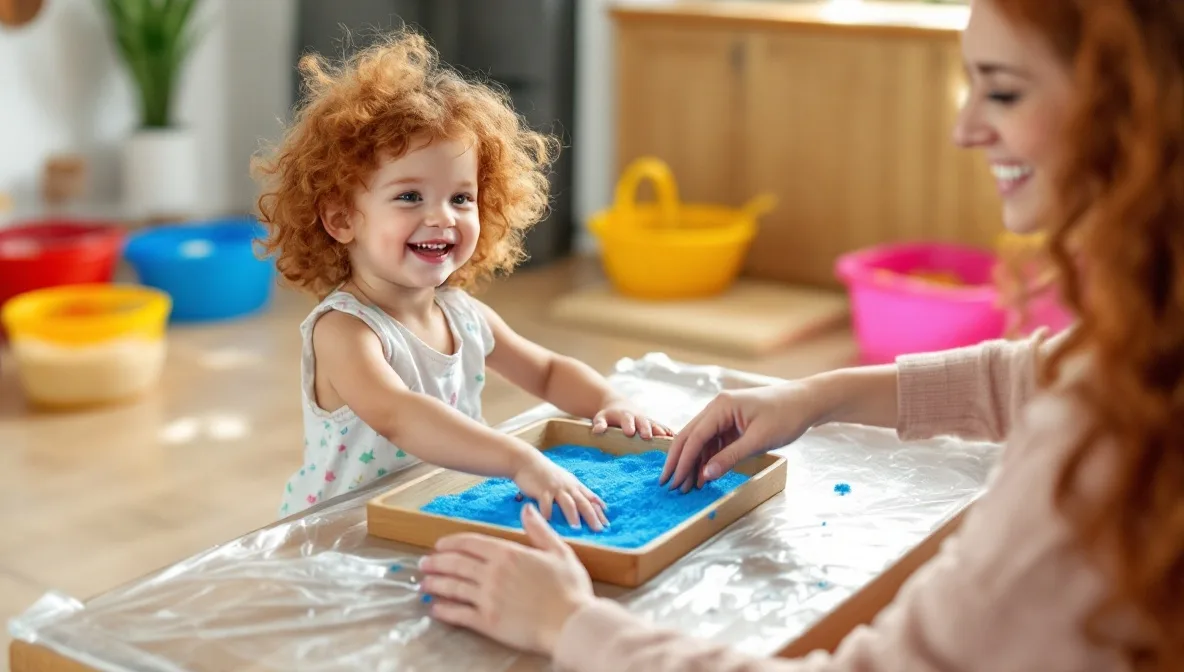
The best toddler sensory activities at home cost almost nothing, take fewer than ten minutes to set up, and deliver real developmental benefits — not just a quiet half-hour for you (though that's a welcome bonus). Research from the American Academy of Pediatrics confirms that hands-on, play-based experiences in the early years literally shape neural pathways, strengthening the connections toddlers need for language, motor control, and emotional regulation. This guide gives you 25 concrete, age-appropriate ideas organized by sensory channel, plus a quick safety guide and honest answers to the questions parents ask most.
Key Takeaways
Why Sensory Play Matters More Than You Might Think
When your toddler squishes cloud dough, scoops dried lentils, or presses fingers into shaving foam, every nerve ending is sending information to the brain simultaneously. This multi-channel input — touch, proprioception, sight, sometimes smell — is exactly the kind of rich environment that builds cognitive flexibility and attention span in children aged 1–4. Occupational therapists often use structured sensory experiences to help children with tactile sensitivity, but the benefits extend to all typically developing toddlers too.
According to research on cross-body movement and child development, activities that cross the body's midline — like reaching across a sensory bin or stirring a large bowl — also support the integration of the brain's left and right hemispheres, which is foundational for reading and writing later on. That's a serious payoff for a tray of colored rice.
Touch and Texture: The Foundation of Sensory Bins
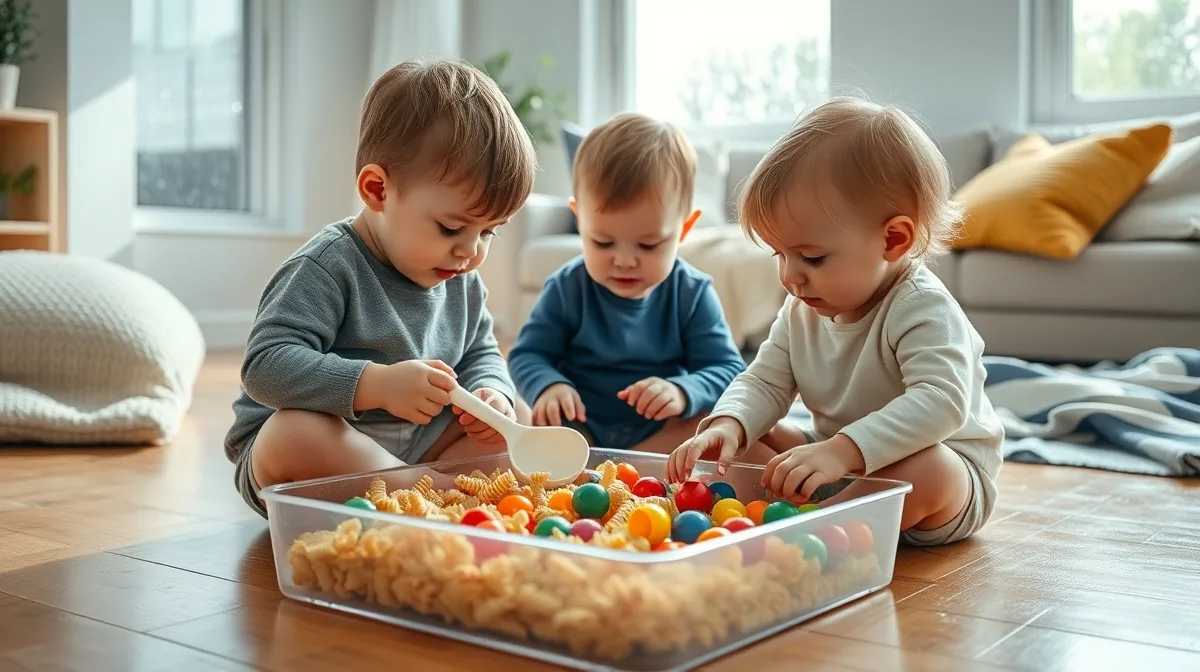
Sensory bins are the workhorse of home sensory play. Fill a shallow storage container (a 12-litre IKEA SAMLA works perfectly) with a base material, hide a few objects inside, and let your child explore freely. Aim for 15–20 minutes of uninterrupted exploration — resist the urge to direct the play.
Best Base Materials by Age
For a deep library of filling ideas, Busy Toddler's sensory activity guides are an excellent starting point, with hundreds of setups organized by mess level and age group.
Messy Play: Embracing the Beautiful Chaos
Finger painting, shaving foam art, and homemade slime fall into the "messy play" category — and the mess is the point. The resistance of thick paint against small hands builds grip strength needed later for pencils and scissors. Strip down to a nappy or old clothes, lay a plastic tablecloth flat on the kitchen floor, and give yourself permission to let it get wild for 20 minutes.
Try these five progressively messier options:
Sound and Music: Often the Overlooked Sense
Auditory sensory play is easy to forget when you're focused on touch, but it's equally important. Fill plastic bottles with different materials — dried beans, sand, small pebbles, bells — and seal them tightly with hot glue. These DIY shakers cost nothing and let toddlers compare pitch, volume, and rhythm side by side. Match the shakers to music and you've layered in auditory discrimination alongside gross motor movement.
Banging pots with wooden spoons, crinkling foil, or tapping containers filled to different water levels (a DIY xylophone) all count as meaningful sensory input. Keep sessions to 10–15 minutes so auditory processing doesn't become overwhelming, especially for children who are sensitive to loud sounds.
Visual and Light-Based Sensory Experiences
Not every child is drawn to touch-heavy play, and that's completely normal. Visual sensory activities provide rich stimulation with very little mess. A light table (or a DIY version — a clear storage tub with a string of LED fairy lights inside) transforms transparent objects like colored water beads, cellophane, and glass gems into something magical. Children aged 18 months and up are typically captivated for 20 minutes or more.
Other low-mess visual ideas include:
For a well-curated collection of multisensory ideas, Eating Richly's sensory play resource for toddlers and preschoolers includes activities that combine visual and tactile elements beautifully.
Smell, Taste, and Proprioception: Rounding Out the Senses
Proprioception — your child's sense of where their body is in space — is one of the most powerful regulators of the nervous system. Heavy work activities that press joints and muscles are deeply calming: think pushing a laundry basket loaded with pillows, wheelbarrow walking on your hands while a parent holds your ankles, or carrying a backpack filled with a few books while helping tidy up. Even five minutes of heavy work can reset an overwhelmed toddler more effectively than screen time or a snack.
For smell, hide cotton balls scented with vanilla, peppermint, or lavender extract in a sensory bin and ask your toddler to find them by nose. For safe taste-based play, homemade playdough made with cream of tartar and food-grade ingredients lets children explore freely without the anxiety of "don't put that in your mouth."
Setting Up a Simple Sensory Routine That Actually Sticks
Consistency matters more than variety. Choose three or four activities from this list, rotate them on a loose weekly schedule, and keep your supplies in a dedicated box so setup is genuinely fast. A simple rule: one sensory activity before lunch, tidied up together — involving your toddler in clean-up builds responsibility and extends the learning.
When your child resists an activity or appears distressed by a texture, respect that immediately. Sensory play should never feel forced. Offer the same material again two weeks later in a low-pressure way — many toddlers warm up to previously rejected textures with gentle, repeated exposure over time.
Frequently Asked Questions
What age should toddler sensory activities at home start?
You can introduce simple sensory play as early as 6 months with water-based and visual activities, but the true toddler sensory sweet spot is 12 months to 4 years. At this stage, children have the motor control to manipulate materials meaningfully and the cognitive curiosity to explore cause and effect. Always adjust materials for your child's developmental stage rather than age alone.
How long should a sensory play session last for a toddler?
Most toddlers engage productively for 10–20 minutes before attention naturally shifts. Follow your child's lead — when they start tipping materials out randomly or wandering away, the session is done. Forcing longer sessions rarely adds developmental value and can create negative associations with sensory play.
Are sensory bins safe for toddlers who still put things in their mouths?
Yes, as long as you choose edible or food-safe base materials for children under 2.5 who are still mouthing objects. Cloud dough (flour and oil), cooked pasta, water, and edible finger paints are all safe choices. Avoid small hard items like dried beans, beads, or coins until your child has reliably stopped mouthing — typically around age 3, though this varies.
How do sensory activities help with toddler tantrums and big emotions?
Sensory play activates the parasympathetic nervous system — the body's "rest and digest" mode — which naturally reduces cortisol and brings heart rate down. Activities with strong proprioceptive input (heavy work) or slow rhythmic movement are particularly effective. Many pediatric occupational therapists recommend building a short sensory activity into a toddler's daily routine as a proactive tool for emotional regulation, not just a response to meltdowns.
Do I need to buy expensive equipment for toddler sensory play?
Absolutely not. The most effective toddler sensory activities at home use pantry staples: flour, rice, pasta, cornstarch, water, and food coloring. A £2 plastic storage tub from a supermarket makes a perfectly good sensory bin. Reserve purchases for items you'll use repeatedly, like a light panel or kinetic sand, only after you know your child engages well with that type of play.
Whether you start with a simple tray of colored rice this afternoon or work your way through a weekly sensory schedule, the most important thing is showing up consistently and following your child's curiosity. Toddler sensory activities at home don't need to be Pinterest-perfect to be powerfully effective — messy, joyful, and done together is always enough.


Comments 0
Please Sign in to leave a comment.
No comments yet. Be the first to share your thoughts!