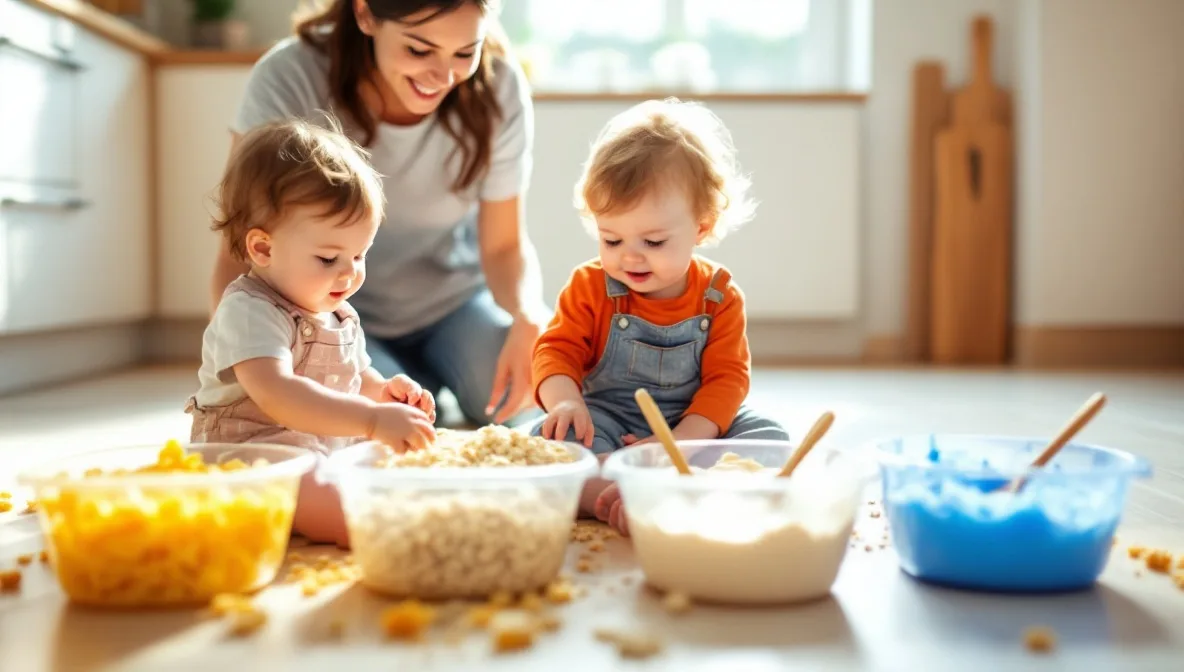
Taste safe sensory bin ideas for toddlers are specifically designed for little ones who are still in the mouthing phase and need textures they can safely explore with their mouths. Between 6 and 24 months, toddlers learn about their world through touch and taste, and a thoughtfully curated sensory bin filled with edible materials—rather than water beads, foam, or dyed clay—lets them play freely without toxic risk. This guide offers 14+ field-tested recipes and fillers, along with allergy-aware swaps and immediate substitutions for common hazardous materials, so you can confidently set up a taste-safe sensory play station using items already in your pantry.
Key Takeaways
- Taste safe sensory play uses only non-toxic, edible fillers like cooked pasta, oatmeal, cornstarch slime, and whipped cream—perfect for toddlers who mouth.
- DIY recipes for edible sand, chickpea foam, cloud dough, and taste-safe play dough take under 10 minutes and cost just a few dollars.
- Allergy-aware alternatives exist for every recipe; always swap ingredients if your child has known food sensitivities.
- Remove small objects (coins, dried beans in bulk) to eliminate choking hazards; supervise all mouthing-phase sensory play.
- Rotate bins weekly to maintain novelty and extend the life of fresh fillers like whipped cream and gelatin.
Why Taste Safe Sensory Play Matters for Mouthing Toddlers
Mouthing behavior is a normal developmental milestone, not a sign of hunger or defiance. According to child development experts, toddlers aged 6 to 24 months use their mouths to explore texture, temperature, and taste as part of sensory exploration. When you offer taste-safe sensory materials instead of restricting play, you reduce the constant "no" battles and support fine motor and gross motor development simultaneously.
Traditional sensory bins often contain water beads (which expand in the stomach), polymer clay (toxic if ingested), or food coloring on non-edible materials (chemical exposure risk). A taste-safe approach eliminates these hazards entirely. Your child can pick up, squeeze, pour, and yes, mouth the materials without risk—giving them permission to explore naturally.
The Top 5 Taste Safe Sensory Bin Fillers
Before diving into recipes, here are five ready-to-use fillers that require no preparation and are instantly safe:
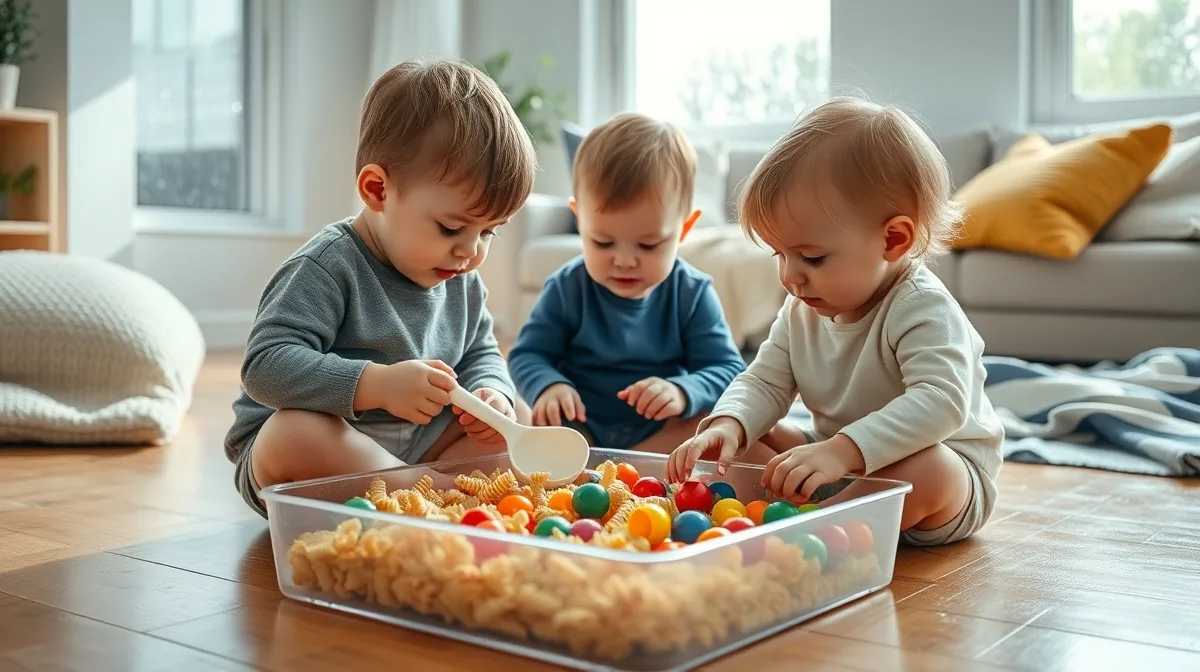
- Cooked pasta (penne, fusilli, elbow)—cooled, unsalted, and unseasoned. Offers varied texture and is allergy-free for most toddlers (unless gluten-sensitive; use gluten-free pasta).
- Plain oatmeal—rolled or instant, uncooked. Soft, crumbly, and naturally hypoallergenic. Add a few drops of cinnamon for mild sensory interest without toxicity.
- Cooked rice—white or brown, cooled. Slightly firmer than oatmeal; store in an airtight container for up to 3 days.
- Shredded coconut (unsweetened)—only if your child has no tree-nut allergies. Strongly textured and aromatic.
- Crushed graham crackers or cereal—plain varieties like Cheerios or plain Chex. Edible textures that mimic sand without the chewing risk of actual sand.
Each of these fillers can stand alone in a bin with a few wooden spoons, measuring cups, or silicone muffin liners for scooping play.
14 DIY Taste Safe Sensory Play Recipes
1. Edible Sand for Sensory Bin
Ingredients: 2 cups unsalted crushed saltine crackers or graham crackers, 2 tablespoons cornstarch, 1 tablespoon coconut oil (melted), optional: 1 drop of vanilla extract or a pinch of cinnamon.
Method: Crush crackers into fine breadcrumb-sized pieces using a food processor or sealed bag and mallet. Mix with cornstarch and melted oil until it resembles wet sand. Store in a sealed container; lasts up to 2 weeks. This DIY edible sand sensory bin filler avoids the choking risk of actual sand while delivering similar sensory feedback.
2. Cornstarch Slime (Oobleck)
Ingredients: 1 cup cornstarch, ½ cup water, food coloring (optional, use gel or natural dyes), 1 tablespoon vegetable oil.
Method: Mix cornstarch and water in a bowl until it reaches a putty-like consistency. Add food coloring if desired (gel food coloring mixes more smoothly than liquid). Stir in oil to reduce stickiness. The texture is non-Newtonian: it's a solid when you squeeze it, a liquid when you let it pour. Safe if mouthed, though not intended for eating. Refresh weekly as it may dry out.
3. Whipped Cream Sensory Bin
Ingredients: 1 cup heavy whipping cream, 1 tablespoon sugar (or skip), ½ teaspoon vanilla (optional).
Method: Whip cream using an electric mixer or by hand in a jar for 3–5 minutes until stiff peaks form. Add vanilla and sugar if desired, though plain is safest for toddlers under 2. Pour into a shallow bin and let your toddler dive in with both hands. This is the shortest-lasting filler (use within one day, refrigerate between play sessions), but it's incredibly engaging and naturally edible.
4. Chickpea Foam Sensory Recipe
Ingredients: 1 can chickpeas (15 oz), drained and rinsed, 2 tablespoons aquafaba (liquid from the can), 1 tablespoon coconut oil, food coloring (optional).
Method: Save the aquafaba when draining canned chickpeas. Whip aquafaba and oil together with an electric mixer for 5–7 minutes until fluffy foam forms. Stir in whole or mashed chickpeas for texture variation. Is chickpea water safe for toddlers to play with in a sensory bin? Yes—aquafaba is 100% edible and hypoallergenic for most toddlers, though always check for legume allergies first. Lasts up to 5 days refrigerated.
5. Cloud Dough (Taste-Safe Play Dough)
Ingredients: 2 cups flour, 1 cup vegetable oil, optional: 1 tablespoon salt, food coloring, scent (vanilla, cinnamon).
Method: Mix flour and oil until breadcrumb-textured. Add color and scent if desired. This taste-safe play dough is softer than cooked dough and sticks less to hands. It's not meant for eating in large amounts, but mouthing a small amount is harmless. Lasts indefinitely in a sealed container.
6. Gelatin Sensory Bin (Taste Safe)
Ingredients: 1 box unflavored gelatin, 1 cup boiling water, 1 cup cold water, food coloring (optional).
Method: Dissolve gelatin in boiling water, add cold water and food coloring, and pour into a shallow bin. Refrigerate for 4 hours until set. Break into chunks or leave whole. This wiggly, squishy texture is mesmerizing for toddlers and completely safe if swallowed in small amounts. Lasts up to 3 days refrigerated.
7. No-Cook Taste-Safe Playdough
Ingredients: 1 cup salt, 1 cup flour, ½ cup water, 1 tablespoon vegetable oil, food coloring (optional).
Method: Mix salt, flour, and food coloring (if using) in a bowl. Add water and oil gradually, kneading until a soft dough forms. This hardens slightly over days (unlike cloud dough), so refresh every 1–2 weeks. It's not edible in large amounts due to salt content, but safe if a toddler swallows a small pinch.
8. Pasta with Oil and Herbs
Ingredients: 1 lb cooked pasta (any shape), 2 tablespoons olive oil, 1 teaspoon dried oregano or Italian seasoning (optional), salt-free.
Method: Toss cooled pasta with a small amount of oil and dried herbs for mild flavor and aroma without overwhelming spice. Store in an airtight container for up to 4 days.
9. Pumpkin Puree Sensory Bin
Ingredients: 1 can plain pumpkin puree (15 oz), optional: cinnamon, nutmeg, or food coloring.
Method: Open and pour directly into a bin. The soft, slightly grainy texture is naturally edible and engaging. Add mild spices for scent enrichment. Best used within 1–2 days and kept cool. Great for fall-themed play.
10. Cooked Lentil or Split Pea Sensory Bin
Ingredients: 1 cup dried lentils or split peas, 3 cups water, salt-free.
Method: Boil lentils or split peas until soft (about 20 minutes), drain, and cool. The slightly firm, bumpy texture is different from pasta and oatmeal. Store up to 5 days refrigerated. Check for legume allergies before use.
11. Whipped Aquafaba with Add-ins
Ingredients: 2 tablespoons aquafaba, 1 tablespoon coconut oil, small cooked pasta pieces or soft fruit (banana, avocado pieces), food coloring.
Method: Whip aquafaba and oil as described in recipe 4, then fold in soft mix-ins. The combination of textures—creamy foam plus small chewy or soft bits—offers richer sensory variation.
12. Rice and Oil Sensory Mix
Ingredients: 2 cups cooked rice, 1 tablespoon coconut or olive oil, food coloring (optional).
Method: Toss cooled rice with oil and color. The grains stick slightly to hands, creating different tactile feedback than plain rice. Lasts up to 4 days refrigerated.
13. Edible Slime (Cornstarch and Milk Base)
Ingredients: 1 cup cornstarch, ¾ cup whole milk, food coloring (optional), 1 tablespoon honey (optional, for toddlers over 12 months).
Method: Mix cornstarch and milk until smooth, add color and honey if desired. This is thicker and creamier than water-based oobleck and genuinely edible. Refrigerate and use within 3 days. This edible slime sensory bin option removes toxicity concerns entirely because the base is food-grade.
14. Shaving Cream and Cornstarch Mixture
Ingredients: 1 cup shaving cream (unscented, non-medicated), ¼ cup cornstarch, food coloring (optional).
Method: Mix shaving cream and cornstarch until fluffy clouds form. Add color if desired. Note: standard shaving cream should not be ingested in large amounts, so supervision is essential. This is best for older toddlers (18+ months) with minimal mouthing behavior. Use within 1 week.
Allergy-Friendly Swaps and Safety Filters
Every recipe above can be modified for dietary restrictions. Use this quick-reference table:
| Allergy or Restriction | Avoid | Substitute |
|---|---|---|
| Wheat/Gluten | Standard pasta, crackers, flour | Gluten-free pasta, rice flour, crushed rice cakes |
| Corn allergy | Cornstarch slime, cornmeal | Arrowroot powder or tapioca starch slime |
| Egg allergy | Cloud dough (if made with egg-based oil) | Use vegetable or coconut oil only |
| Tree-nut allergies | Coconut, shredded coconut, coconut oil | Vegetable or olive oil, sunflower oil |
| Legume allergies | Chickpea foam, lentil bins, aquafaba | Use only grain-based or oil-based slimes |
| Dairy allergy | Whipped cream, milk-based slime | Coconut cream whipped, oat milk slime |
Always perform a patch test: if your toddler has a known allergy, let them touch a small amount of the material on their arm first and wait 10 minutes before full bin play. Watch for rashes, wheezing, or swelling.
Setup, Supervision, and Rotation Tips
A sensory bin need not be elaborate. Use a wide, shallow plastic storage container (12–18 inches), a low table or floor space, and a towel underneath for easy cleanup. Keep bins to 2–3 inches deep to prevent tipping and reduce the risk of a child becoming trapped if they fall into it.
Supervision during mouthing-phase sensory play is non-negotiable. Stay within arm's reach, especially with toddlers under 18 months. Remove any objects smaller than a toilet-paper tube to prevent choking hazards. This includes coins, small dried beans in bulk, or broken pieces of toys mixed into bins.
Rotate bins every 5–7 days to maintain novelty and allow fresh fillers to be prepared. A 12-month-old who's bored with oatmeal will be thrilled by chickpea foam the following week. Keep a simple calendar on your fridge noting which filler goes into rotation each week.
Common Mistakes to Avoid
Many well-meaning parents still use non-taste-safe fillers without realizing the risk. Early childhood educators consistently warn against water beads (which absorb liquid and expand, posing a severe internal hazard), polymer clay, air-dry clay, and dyed non-food materials. If you've purchased a sensory kit online, check the ingredients label—if it says "not for consumption" or "choking hazard under 8 years," set it aside for later and use taste-safe recipes instead.
Another mistake is overfilling bins. Toddlers learn better with 2–3 scoops of filler, not 10 pounds. A smaller quantity also reduces mess and extends the life of perishable items like whipped cream. Finally, don't skip cleanup. Wet oatmeal left in a bin for days can develop mold; cooked pasta can turn sour. Discard bins daily and refresh fillers every 3–7 days depending on the material.
Extending Taste Safe Sensory Play Into Gross Motor and Fine Motor Activities
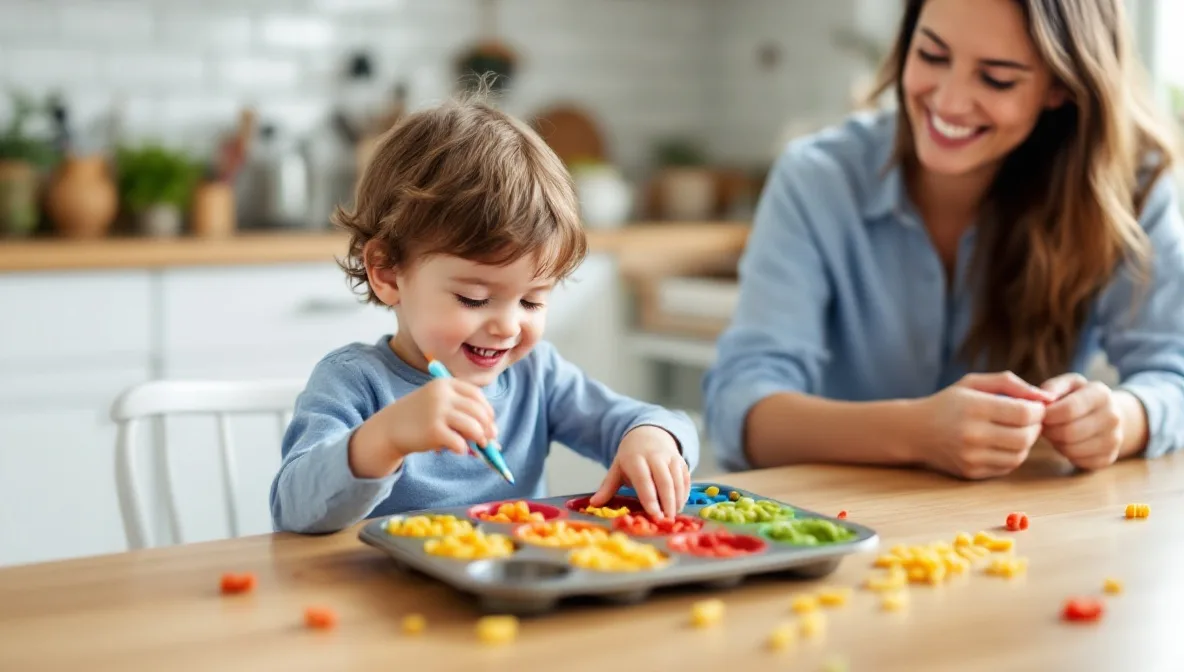
Beyond hand exploration, sensory bins naturally boost fine motor development when you add tools: wooden spoons for stirring, small measuring cups for pouring (with help), or silicone tongs for grasping. For gross motor skills, let older toddlers (18+ months) stand at a higher bin and reach, lean, and balance while playing.
Combine sensory play with color sorting (add a few blocks and ask, "Can you find red?"), counting, or sensory vocabulary ("This feels bumpy!"). These additions turn unstructured mouthing play into early learning without the child realizing they're working. Child development specialists note that sensory bins paired with language and problem-solving naturally support cognitive growth.
Frequently Asked Questions
What are the best taste-safe sensory bin fillers for toddlers who mouth?
Cooked pasta, plain oatmeal, crushed crackers, cornstarch slime, whipped cream, and cooked rice are the safest options because they're fully edible or non-toxic if swallowed in small amounts. Chickpea foam and gelatin are also excellent taste-safe choices, offering varied textures and zero toxicity risk.
How do you make edible sand for a sensory bin?
Crush 2 cups of unsalted saltine or graham crackers finely, mix with 2 tablespoons of cornstarch and 1 tablespoon of melted coconut oil. Stir until it resembles wet sand, and store in a sealed container for up to 2 weeks. This avoids choking hazards of actual sand while delivering similar sensory feedback.
Is chickpea water safe for toddlers to play with in a sensory bin?
Yes, aquafaba (the liquid from canned chickpeas) is 100% edible and safe for toddlers to play with, assuming no legume allergies. When whipped with oil, it becomes a fluffy foam that's engaging and completely non-toxic if mouthed or swallowed in small amounts.
What are some easy taste-safe sensory play recipes for babies?
Cloud dough (flour and oil), cornstarch slime (cornstarch and water), and whipped cream require just 2–3 minutes of prep and use pantry staples. For minimal-prep options, plain cooked pasta, oatmeal, and cooked rice can go straight into a bin with no recipe needed.
Can I use cooked pasta as a sensory bin filler for toddlers?
Absolutely. Cooked pasta (penne, fusilli, or elbow shapes) is fully edible, affordable, and offers varied textures depending on the shape. Cool it completely, use unsalted and unseasoned pasta, and store in an airtight container for up to 4 days. It's naturally allergy-free unless your child has gluten sensitivity, in which case use gluten-free pasta.
Taste safe sensory bin ideas for toddlers don't require expensive kits or specialty ingredients—just a willingness to rethink what belongs in a bin. Start with one recipe that uses items you already have at home this week. Your toddler's natural urge to mouth and explore will finally feel welcomed instead of forbidden, and you'll have the peace of mind knowing every texture they encounter is genuinely safe.

Comments 0
Please Sign in to leave a comment.
No comments yet. Be the first to share your thoughts!