Screen-free activities for kids 3 years old no mess are the holy grail of parenting—they keep your child engaged and learning while your walls, floors, and sanity stay intact. At three, your child has a strong appetite for exploration and hands-on discovery, but not every activity needs to leave wreckage in its wake. This guide offers 30 low-mess, high-engagement options that develop language, fine motor skills, and problem-solving without the cleanup nightmare.
Key Takeaways
- Three-year-olds thrive with activities that involve sorting, stacking, matching, and sensory exploration—all doable without mess.
- Contained play spaces (bins, trays, baskets) are the single most effective way to keep mess-free activities actually mess-free.
- Rotating toys and activities every 1–2 weeks keeps novelty high and prevents boredom without buying constantly.
- Screen-free play at this age builds concentration, language, and motor skills that screen time cannot match.
- Simple setups with clear rules take 5 minutes to prepare and can keep a 3-year-old entertained for 20–30 minutes.
Why Screen-Free Play Matters for 3-Year-Olds
Three-year-olds are in a critical window for brain development. Play-based learning at this age builds the neural pathways for language, social skills, and emotional regulation far more effectively than passive screen time. Research consistently shows that children who engage in hands-on, unstructured play develop stronger problem-solving abilities and longer attention spans.
At 36 months, your child is also beginning to understand cause and effect, follow multi-step instructions, and engage in pretend play. These milestones happen through physical, tactile exploration—not through watching. Screen-free activities let your child lead the discovery, which boosts confidence and self-directed learning. Plus, the time you save on screen-off activities can mean actual breathing room in your day.
The No-Mess Secret: Containment Systems
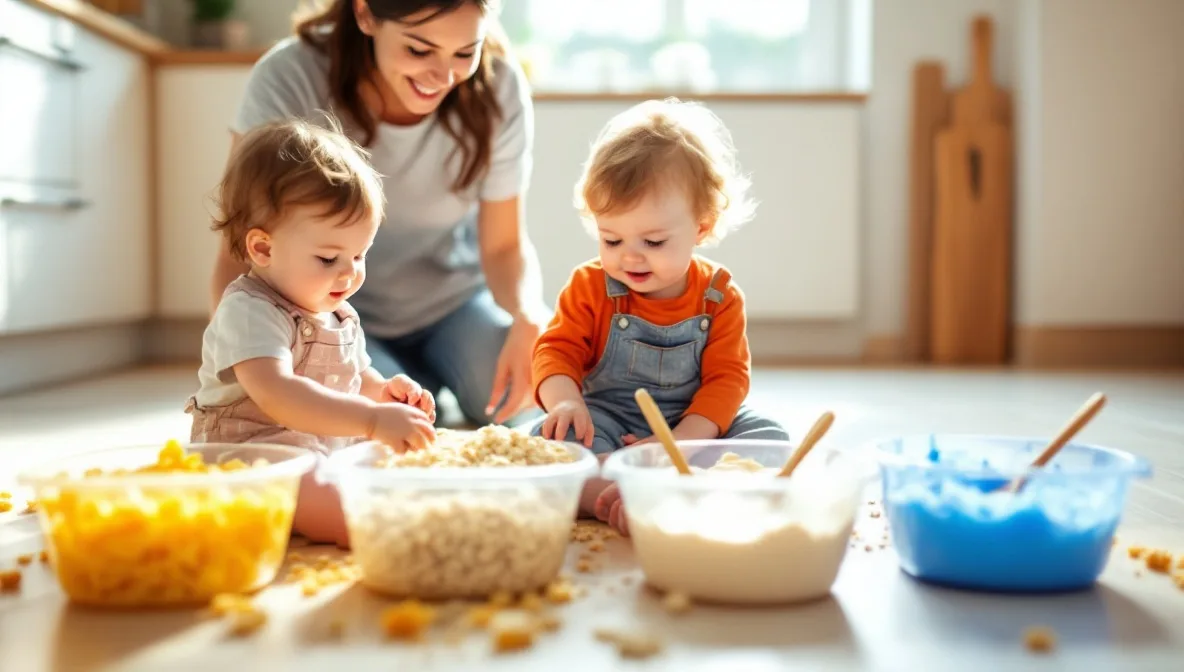
The reason many parents abandon mess-free activities is that they underestimate the power of containment. A three-year-old playing with blocks on an open floor will scatter them everywhere. The same child playing with blocks in a low basket or on a defined tray stays mostly contained and cleanup takes 90 seconds instead of 15 minutes.
Here are your best containment tools:
- Shallow plastic bins or baskets—perfect for sorting, stacking, and toy rotation. Look for dishwasher-safe options.
- Lap trays or cookie sheets—define the play boundary instantly and work for small toys, stickers, or magnetic items.
- Towels or placemats—cheap, washable, and signal "play happens here" to your child.
- High-sided storage boxes—great for toys that roll or small pieces that multiply quickly.
- Low shelving units—let your child access and return toys independently, which builds responsibility and keeps items corralled by category.
Set up one activity in a contained space and your child learns both the skill and the cleanup expectation from the start.
30 No-Mess Screen-Free Activities for 3-Year-Olds
Sorting and Matching (15–20 minutes)
Sorting taps into your child's emerging organizational thinking and can be endlessly varied. Place a basket on the floor with 2–3 categories and let your child sort:
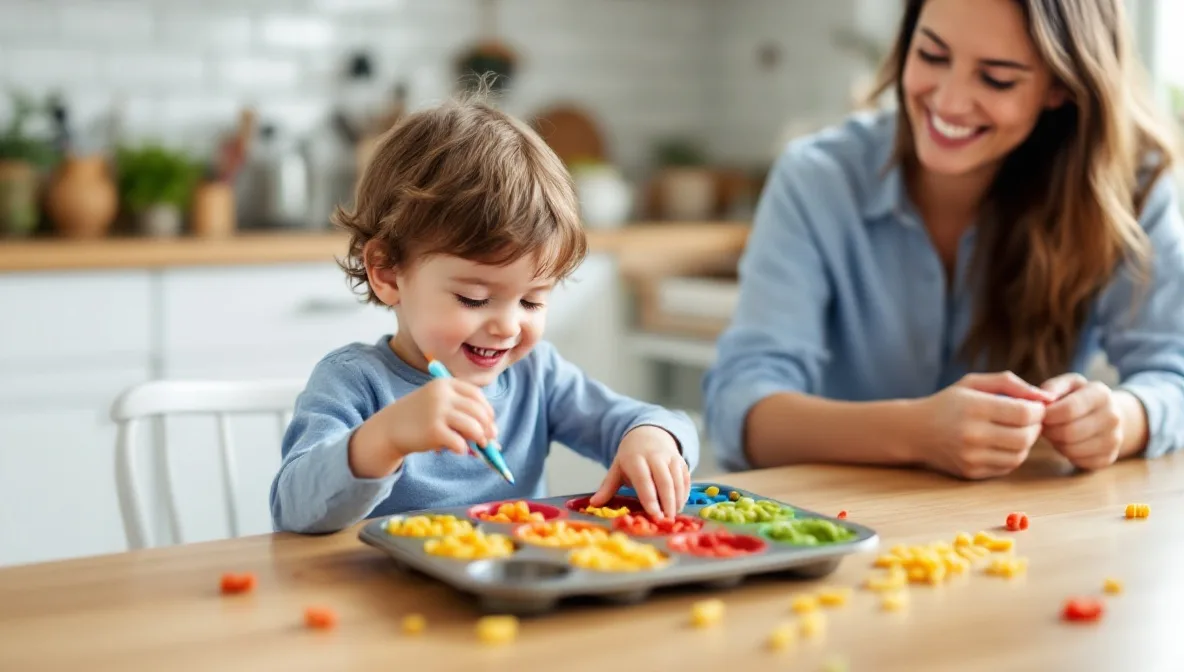
- Large buttons by color (in a muffin tin, each cup a different color).
- Toy animals by size (big, medium, small) into labeled baskets.
- Plastic food by color into shallow containers.
- Socks by pattern (striped, solid, polka dot) into separate baskets.
- Blocks by shape into a divided bin.
- Toy cars by color into cups.
- Craft pompoms by size into egg carton sections.
- Plastic coins or tokens by type into small dishes.
Stacking and Building (20–30 minutes)
Building refines spatial reasoning and fine motor control. Try:
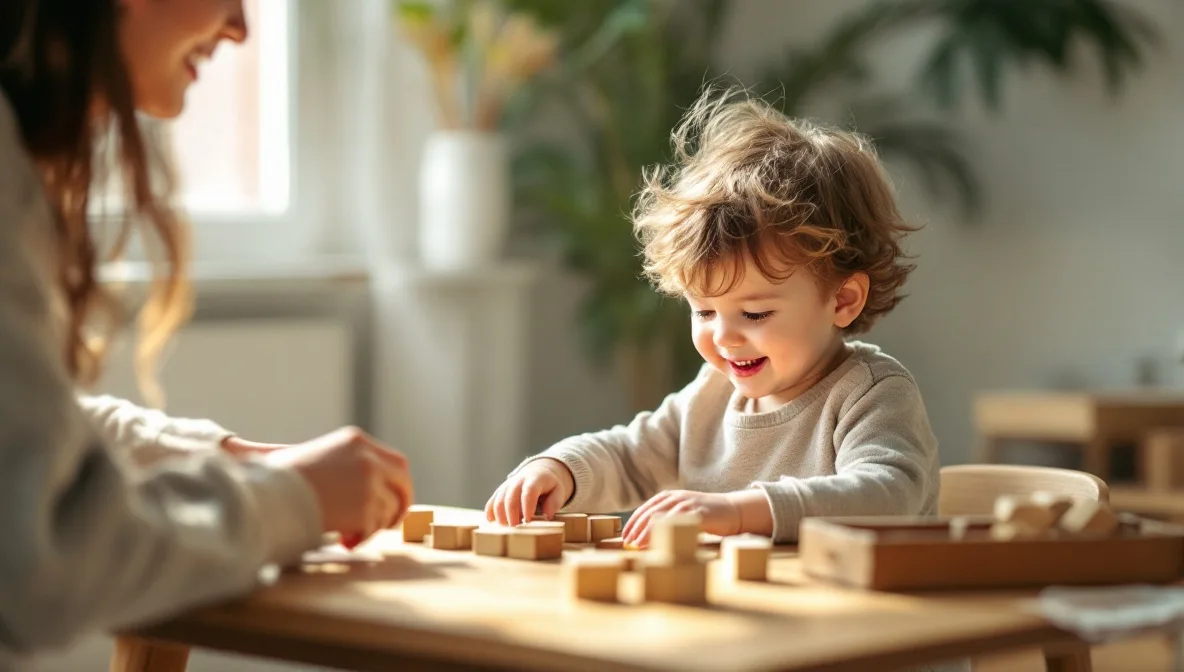
- Wooden blocks (contained on a mat to minimize scatter).
- Magnetic tiles—they stick together and rarely escape.
- Stacking cups or nesting bowls.
- Large Duplo bricks.
- Foam blocks.
- Pool noodles cut into rings and stacked on a broomstick.
- Empty paper towel tubes taped together to build a tower.
Fine Motor Play (15–25 minutes)
Three-year-olds are refining their pincer grasp and hand strength. These activities build those skills safely:
- Threading large beads onto thick yarn or pipe cleaners.
- Peeling stickers and sticking them on paper (use removable stickers to avoid wall damage).
- Playing with play dough in a defined container.
- Clothespin sorting (clip clothespins around a basket rim by color).
- Twisting and untwisting jar lids.
- Opening and closing magnetic containers.
- Playdough "snakes" (roll, pinch, twist) using a cutting mat to contain crumbs.
Sensory Exploration Without the Mess (10–20 minutes)
Sensory play doesn't mean rice bins and water tables. Contained sensory activities keep the chaos minimal while delivering the same developmental payoff:
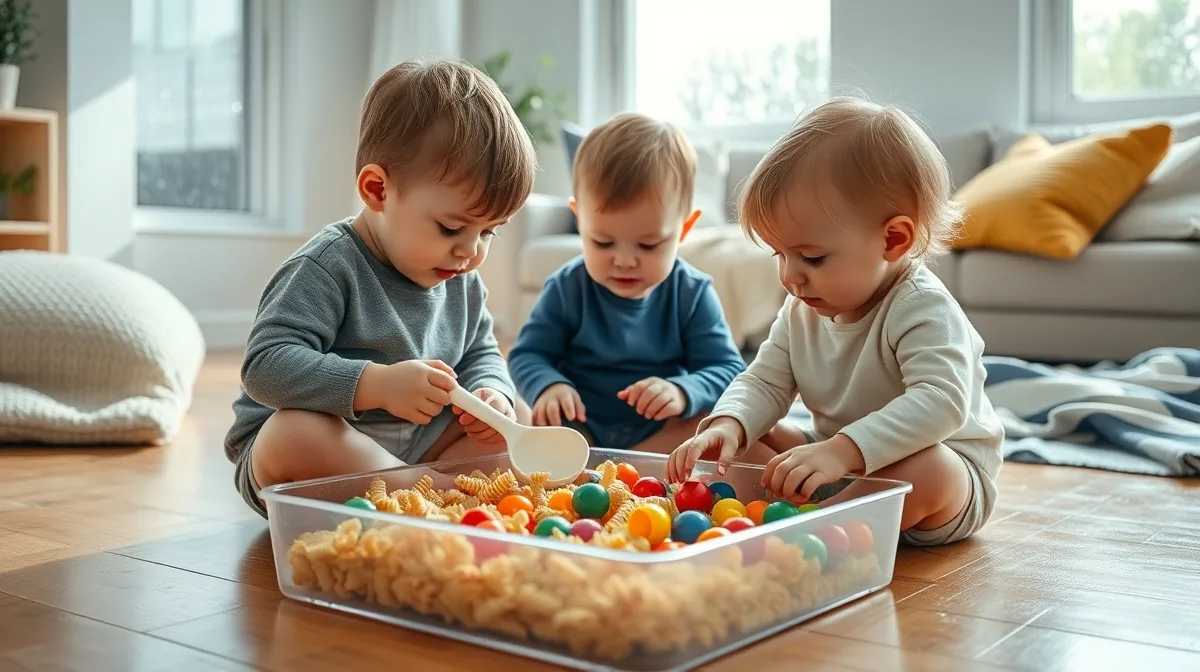
- Dry pasta in a sealed bag—feel the shapes and sounds without spill risk.
- Kinetic sand in a large plastic storage container with a fitted lid.
- Ice cubes in a shallow tray (with towel underneath for melting water).
- Textured scarves or fabric swatches in a basket for tactile exploration.
- Dried beans in a sealed container with small toys hidden inside to find.
- Bubble wrap under a towel to pop (contained and loud, kids love it).
- Water play in a small basin with toy cups and funnels.
Pretend Play and Role-Playing (20–30 minutes)
Pretend play is where imagination blooms, and it requires zero mess when you use the right props. Set up simple scenarios:
- Doctor's kit with stuffed animals as patients in a "clinic" corner.
- Toy kitchen and plastic food for cooking and serving.
- Toy phone and notepad for playing "office" or "shop."
- Baby dolls with blankets and small bottles.
- Toy animals and baskets for "farm" or "zoo" play.
- Plastic tools and a workbench for pretend building.
- Cash register and plastic coins for playing "store."
Quiet Table Time (15–20 minutes)
These activities keep your child seated and focused, perfect for when you need a genuine break:
- Reusable sticker books (stickers peel on and off without paper waste).
- Dry erase boards with chunky markers—draw, erase, repeat endlessly.
- Peg boards with large pegs in different colors and patterns.
- Foam shape puzzles (8–12 pieces).
- Lacing cards with thick, pre-threaded yarn.
- Magnetic matching games (animals, vehicles, foods).
- Picture books for looking through independently or with you narrating.
- Dot-to-dot coloring pages (3-year-olds love connecting 4–6 dots with a fat crayon).
A Comparison: Common No-Mess Activity Setups
| Activity Type | Setup Time | Duration | Mess Level | Best For |
|---|---|---|---|---|
| Sorting by color | 2 min | 15 min | Minimal | Rainy mornings |
| Block building | 3 min | 20–30 min | Low (contain on mat) | Solo independent play |
| Sticker books | 1 min | 15 min | None | Doctor's office waits |
| Pretend play | 5 min | 25 min | Low | Developing social skills |
| Peg boards | 2 min | 20 min | Minimal | Fine motor building |
Pro Tips to Keep It Clean and Sustainable
Beyond containment, a few habits make screen-free activities truly sustainable. Rotate toys every 1–2 weeks—pack away half your toys and bring out the others. This creates the illusion of novelty without buying anything new, and it means less clutter to manage during cleanup.
Establish a five-minute tidy-up ritual before transitions (meals, bedtime, outdoor play). Make it part of the routine, not a punishment, and your child will soon expect it. Use a song or timer to make cleanup feel like a game rather than a chore. Many parents find that consistent structure around activities and cleanup reduces overall stress.
Label baskets with pictures and words so your child understands where things belong. At three, kids are capable of genuine helping if expectations are clear and manageable. Finally, accept "good enough" cleanup—the goal is building a habit, not perfection. Blocks in a bin beats scattered across the floor, and that's a win.
Building Focus and Attention Span Through Play
One overlooked benefit of screen-free activities is their role in building concentration. Three-year-olds typically sustain focus for 10–15 minutes on a task they've chosen; screen-based content can hack this system by overstimulating attention circuits, making it harder for kids to engage with slower-paced play later.
When you offer rich, varied screen-free activities in a calm, unrushed environment, your child learns to sit with a challenge, try solutions, and feel satisfaction from completion. This is the foundation for school readiness, problem-solving, and resilience. Over weeks and months, you'll notice longer stretches of independent play and fewer requests for screens.
Frequently Asked Questions
What if my 3-year-old loses interest after 5 minutes?
This is normal—three-year-olds still have wildly unpredictable attention spans. Try rotating activities daily so novelty keeps interest high, offer a choice between two activities so your child feels agency, and avoid sitting nearby watching (kids often play longer when you're nearby but not hovering). If an activity genuinely doesn't land, swap it out; not every activity will click with every child.
Can I use household items instead of buying special toys?
Absolutely. Empty containers, wooden spoons, plastic food, old fabric scraps, and unused kitchen tools are gold. Many parents find that open-ended, ordinary items spark more creativity than expensive toys because kids must invent the play rather than follow a preset script.
How do I handle screen-free activities when I'm exhausted?
Set up activities in batches on Sunday (sort toys into baskets, prep sticker books, gather supplies). On weekday mornings, you simply pull out a pre-prepped activity instead of assembling it from scratch. Even five minutes of prep saves 20 minutes of frustration. Remember that 30 minutes of engaged, independent play while you sit down with tea is a genuine win.
Are screen-free activities really better than educational screen time?
Research shows that hands-on, interactive play builds stronger language, motor, and social-emotional skills than any screen-based content, educational or not. Screens are passive; the child receives input but rarely directs it. Play is active and child-led, which is where real learning happens at this developmental stage. Screen time isn't evil, but it shouldn't crowd out hands-on exploration.
How do I transition a child who is used to screens to screen-free activities?
Start small. Pick one low-mess activity your child genuinely enjoys and offer it at a calm time of day when they're well-rested. Expect resistance initially—withdrawal from frequent screens is real. Sit with your child during the first few rounds to model engagement and scaffold play. Many parents in toddler communities report that consistent, varied screen-free options help children adjust within 1–2 weeks.
Screen-free activities for kids 3 years old no mess don't require special equipment, Pinterest-worthy setups, or hours of planning. They need clear containers, simple rules, and your confidence that boredom and play are where learning actually lives. Start with two or three activities this week, rotate them regularly, and watch your child's focus, creativity, and independence grow in ways screens simply cannot match.
Comments 0
Please Sign in to leave a comment.
No comments yet. Be the first to share your thoughts!