
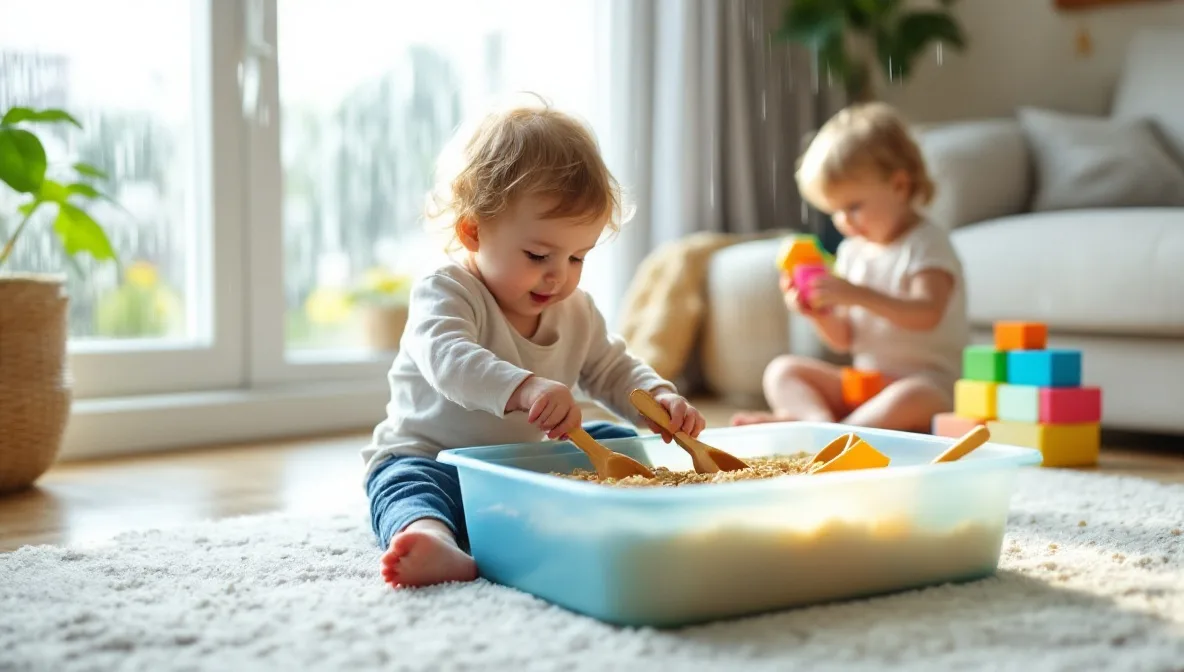
Rainy day activities for toddlers indoor 2 year old don't have to mean screen time marathons or a house full of chaos. When rain keeps your little one cooped up, the right mix of high-energy play, sensory exploration, and quiet tasks can actually tire them out more effectively than outdoor time—and leave you with a calmer, happier child come naptime. This guide gives you a battle-tested framework plus 30+ specific activities that build gross motor skills, fine motor control, and sensory awareness while respecting your toddler's need to regulate their energy throughout the day.
Key Takeaways
- A 30-minute rainy day plan that layers gross motor play, sensory activity, and quiet fine motor work prevents overstimulation and promotes better rest.
- High-energy activities like indoor obstacle courses and balloon games burn off toddler energy safely within four walls.
- Sensory bins with rice, pasta, or water engage your 2-year-old for 15–20 minutes while developing hand-eye coordination.
- Quiet fine motor tasks like sticker play and sorting prepare your child's body and mind for sleep.
- Safety-proofing (supervision, no small choking hazards, washable materials) is non-negotiable during any rainy day activity.
The 30-Minute Rainy Day Plan That Actually Works
Instead of throwing random activities at the wall, try this three-phase sequence that mimics how toddlers naturally move through energy cycles. Minutes 1–10 (Gross Motor Burst): Start high-energy. Set up an indoor obstacle course, play a balloon game, or do a "dance freeze" session. Your 2-year-old's body needs to release big-muscle energy first, when they're freshest and most focused.
Minutes 11–25 (Sensory Calm-Down): Transition to hands-on exploration. Move to a sensory bin or water play station. This engages their curiosity while naturally lowering their heart rate. They're still active but more focused, less chaotic. Minutes 26–30 (Quiet Fine Motor): Wind down before nap or quiet time. Offer sticker play, sorting, or a simple puzzle. This primes their nervous system for rest. A child who ends their rainy day indoors with quiet, focused work settles into naptime faster and sleeps longer—a win for everyone.
High-Energy Indoor Obstacle Courses and Gross Motor Games
Gross motor skills are exactly what toddlers need to develop, and an indoor obstacle course lets them practice balance, coordination, and strength without leaving home. You don't need fancy equipment; pillows, cushions, painter's tape, and household items work perfectly.
Build a Simple Indoor Obstacle Course
- Pillow Mountain: Stack 3–4 pillows and cushions into a low mound. Have your 2-year-old climb up and tumble down (supervise closely).
- Tape Pathways: Use painter's tape on the floor to create a winding "road" or "river." Challenge your child to walk, hop, or tiptoe along the line. This develops balance and body awareness.
- Tunnel Crawl: Drape a blanket over two chairs or a low table to make a tunnel. Toddlers love crawling through confined spaces—it's calming and builds confidence.
- Balloon Stomp Zone: Blow up 5–10 balloons and let your child bat, kick, and stomp them around the living room. Pure joy and cardio in one.
According to research on toddler development, 15–30 minutes of daily gross motor play strengthens core muscles and coordination essential for later athletic skills. A comprehensive guide to indoor rainy day activities emphasizes obstacle courses as a top energy-burner for young children stuck indoors.
Balloon and Movement Games
- Keep It Up: Blow up one balloon and challenge your child to keep it from touching the ground. Endless fun and great for hand-eye coordination.
- Balloon Volleyball: Tie a string across a room divider or between two chairs at your toddler's head height. Rally the balloon back and forth—gentle, silly, effective.
- Dance Freeze: Play upbeat music and dance together. When the music stops, everyone freezes. Perfect for burning energy and learning to listen for cues.
- Simon Says Moves: Call out gross motor actions: "Jump!", "Spin!", "Stomp!" Toddlers love mimicking and moving on command.
Sensory Bins and Water Play for Calm Focus
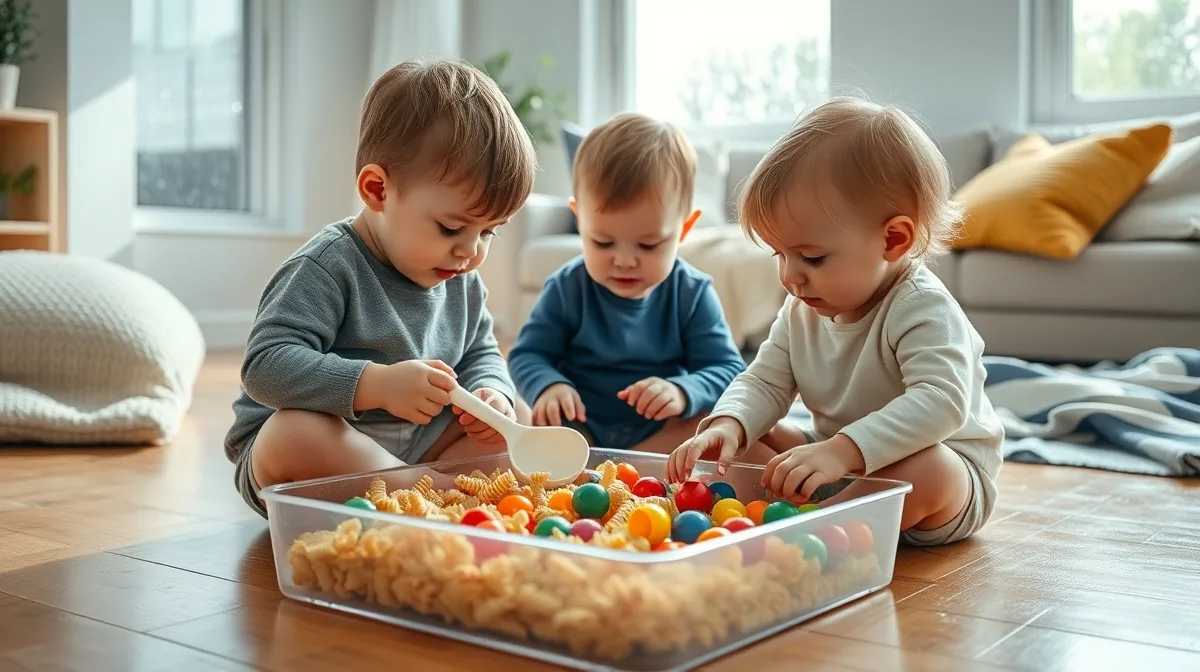
Sensory play is a cornerstone of toddler development. It engages multiple senses, teaches cause-and-effect, and has a naturally calming effect even as your child stays engaged. A sensory bin requires only a shallow container and loose materials. Place your child in a high chair tray, small bin, or low table, and watch them pour, scoop, and explore for 15–20 minutes with minimal direction needed.
Easy Sensory Bin Fillings for 2-Year-Olds
| Filling Material | Best Tools | Duration | Cleanup Note |
|---|---|---|---|
| Dried rice or beans | Small spoons, cups, funnels | 15–20 min | Vacuum after; avoid if child still mouths objects |
| Kinetic sand (store-bought) | Sand molds, scoops, rakes | 20–25 min | Stays contained; minimal mess |
| Pasta (cooked, cooled) | Colander, tongs, bowls | 15–20 min | Minimal mess; good sensory contrast |
| Water (shallow tub) | Cups, funnels, sponges, bath toys | 15–20 min | Waterproof floor or towels essential |
| Crumpled tissue paper / pom-poms | Tongs, tweezers, small boxes | 10–15 min | No mess; lightweight and safe |
Safety first: Never leave a 2-year-old alone with a sensory bin. Supervise closely, and avoid small hard items (dried corn, tiny beads) if your child still puts objects in their mouth. Wash hands thoroughly after rice or bean play. A trusted resource on indoor toddler activities stresses that sensory bins work best when introduced with language—name the textures, describe the sounds, celebrate effort over outcome.
Fine Motor Activities That Quiet and Prepare for Rest
After high-energy and sensory play, fine motor tasks naturally lower arousal. They demand focus and calm, making them perfect for the final phase before naptime. These activities also build hand strength, finger dexterity, and concentration—all essential for future writing and self-care skills.
- Sticker Scenes: Give your child a large sheet of paper and chunky stickers. Let them place them freely or guide them to build a "picture" together. No pressure, pure creativity.
- Sorting and Matching: Put objects into categories: red blocks in one bowl, blue blocks in another. Use pompoms, blocks, or plastic toys. Sorting teaches color recognition and hand control.
- Playdough Exploration: Homemade (flour, salt, water) or store-bought, playdough engages fine motor skills for 10–15 minutes. Add plastic cookie cutters, rolling pins, or just let them squish and roll.
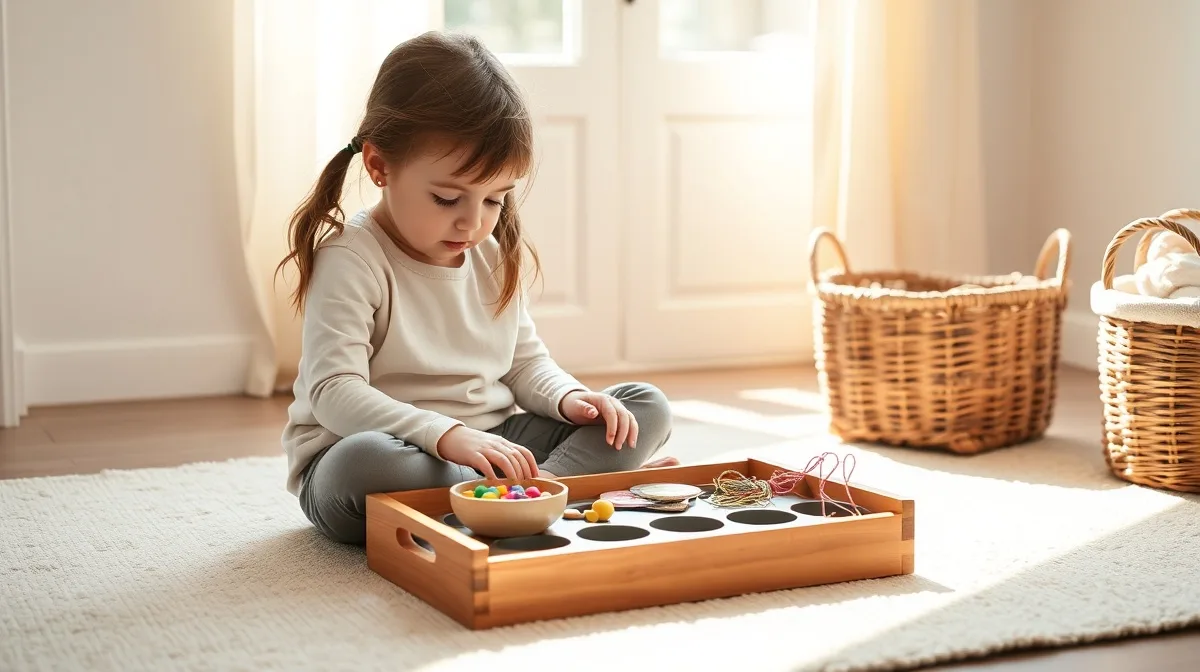
- Simple Puzzles: Offer 3–5 piece Montessori-style knob puzzles or chunky jigsaw puzzles. Toddlers love the satisfaction of a piece fitting; it builds problem-solving and patience.
- Threading Large Beads: Thick string or pipe cleaner with oversized beads. Develops hand-eye coordination and bilateral coordination (using both hands together).
- Painting and Stamping: Washable paint, foam stamps, or sponges on paper. Messy, tactile, calming—just use a protected surface and washable materials.
Open-Ended Art and Creative Play Indoors
Art for a 2-year-old is about process, not product. They're exploring cause-and-effect, color mixing, and self-expression—not creating gallery-ready masterpieces. Set up art stations with minimal cleanup friction, and your child will engage independently while you breathe.
Roll out butcher paper on the floor, tape it down with painter's tape, and set out washable markers, crayons, or paint. Let them scribble, draw, and experiment freely. Tape pathways can double as "roads" for markers to follow. Water-based finger paints on a plastic-covered table let toddlers mix colors and feel textures. A guide to rainy day activities for young children highlights open-ended art as one of the most engaging and least overstimulating options, especially when combined with music or quiet background sounds.
Quiet Indoor Activities and Rainy Day Chores
Involve your 2-year-old in simple household tasks during a rainy day indoors. This builds life skills, deepens your connection, and naturally calms their nervous system. Toddlers love feeling "helpful," and these chores are genuinely useful.
- Sorting Laundry: Let them drop socks into a basket or sort light and dark clothes into piles. Develops fine motor control and task focus.
- Wiping Surfaces: Give them a damp cloth to wipe a low table or windowsill. Engages large muscle groups in a purposeful way.
- Dusting: A soft duster or old sock on their hand, and they can "dust" low shelves. Safe, satisfying, and teaches responsibility.
- Sorting Toys: Encourage them to put blocks in one bin, dolls in another. A calm, focused activity that tires the brain more than the body.
Why chores work: Toddlers gain competence, you reduce mess, and the repetitive, purposeful nature of chores naturally lowers heart rate and prepares them for sleep. No screen time required.
Frequently Asked Questions
What are the best indoor activities for a 2-year-old on a rainy day?
The best mix combines high-energy gross motor play (obstacle courses, balloon games), sensory exploration (bins with rice or water), and quiet fine motor tasks (stickers, sorting). This three-phase sequence prevents overstimulation and promotes better rest afterward.
How do I keep my 2-year-old entertained inside when it's raining?
Rotate between activity types every 15–20 minutes: start with a 10-minute energy burst, move to a 15-minute sensory activity, and finish with 5–10 minutes of quiet play. This rhythm keeps toddlers engaged without hitting a wall of hyperactivity or boredom.
What are some energy-busting indoor activities for toddlers?
Indoor obstacle courses, balloon stomping games, dance and freeze sessions, and crawling through blanket tunnels all burn serious toddler energy. Pair one high-intensity activity with sensory calm-down and quiet play for a balanced rainy day.
How can I make an indoor obstacle course for my toddler?
Use pillows for climbing, painter's tape for pathways on the floor, a blanket-draped chair for a tunnel, and balloons for stomping. Supervise closely and keep obstacles low and soft to prevent injury. Rearrange every few days to keep novelty high.
How do I get my toddler to sleep better after a rainy day inside?
End your rainy day indoors with 10–15 minutes of quiet fine motor work (stickers, sorting, playdough) instead of high-energy play or screens. This signals to their nervous system that rest is coming, making nap and bedtime transitions faster and deeper sleep more likely.
Rainy days don't have to feel like a defeat. With a mix of energizing gross motor games, sensory bins, and quiet fine motor tasks, you give your 2-year-old exactly what they need: movement, exploration, focus, and rest. The best rainy day activities for toddlers are ones you can repeat, that match your child's energy, and that leave you both calmer by the end. Keep these ideas in your back pocket, tweak them to fit your home and your child's temperament, and remember—the goal isn't perfection or Pinterest-worthy photos; it's a happy, tired toddler and a peaceful afternoon for you.
Comments 0
Please Sign in to leave a comment.
No comments yet. Be the first to share your thoughts!