
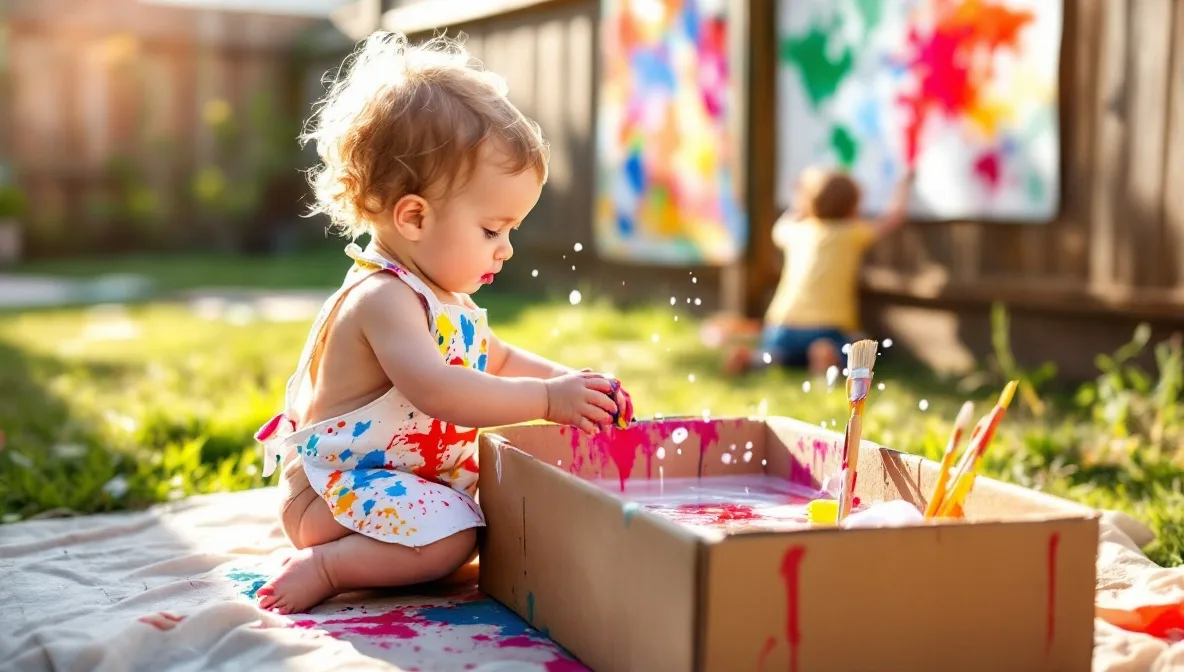
How to do process art for toddlers at home doesn't require Pinterest-perfect setups or messy paint cleanup—it's about letting your child explore, mix, squish, and splash without worrying about the finished product. Process art emphasizes the joy of creating itself, not the outcome, making it ideal for toddlers aged 1 to 4 who learn best through sensory play and big arm movements. This guide shows you exactly how to set up open-ended art activities using recycled boxes, water, homemade paint, and loose parts you already have.
Key Takeaways
- Process art prioritizes exploration and creative choice over a finished product—the perfect fit for toddler development and attention spans.
- Outdoor and recycled-material activities (boxes, water buckets, contact paper) cost almost nothing and build both fine and gross motor skills.
- Homemade, non-toxic paint recipes and water play offer safe, mess-managed sensory exploration for 1–4-year-olds.
- Open-ended setup with minimal teacher guidance lets toddlers drive their own creativity and problem-solving.
- Fifteen minutes to one hour is realistic for sustained engagement; toddlers move freely between activities.
What Is Process Art and Why It Matters for Toddlers
Process art is child-led, open-ended creative play where the focus is on the action—splashing, stirring, pressing, and exploring—rather than making something that looks "right." Unlike directed crafts that expect a specific result, process art celebrates messy, evolving, and joyful engagement. For toddlers, this approach builds confidence because there's no "failure"; every mark, splash, or texture is valid.
According to research on process art activities, this style of play strengthens neural pathways for creativity, problem-solving, and emotional expression. A 2-year-old who mixes purple and blue without instruction learns cause-and-effect; a 1-year-old who pats wet contact paper develops fine motor control. Process art also gives toddlers safe choices and agency, which are core to healthy emotional development during the early years.
Setting Up Process Art for a 2-Year-Old at Home
The best process art setups are low, accessible, and clutter-free. Start by clearing a small space—a corner of your kitchen, a section of lawn, or a balcony. Toddlers need to reach materials easily without adult hand-over-hand help, so place paints, water, and tools at their eye level or just above.
The Basics of a Home Process Art Space
- A flat surface or container: a cardboard box, shallow plastic tray, large baking pan, or piece of contact paper taped to a fence or wall.
- Tools for applying and mixing: paintbrushes (even old toothbrushes work), sponges, sticks, spoons, or your child's fingers.
- Paint and color: homemade recipes (see below), food-coloring-tinted water, or non-toxic store-bought paints like Cra-Z-Art or Playskool.
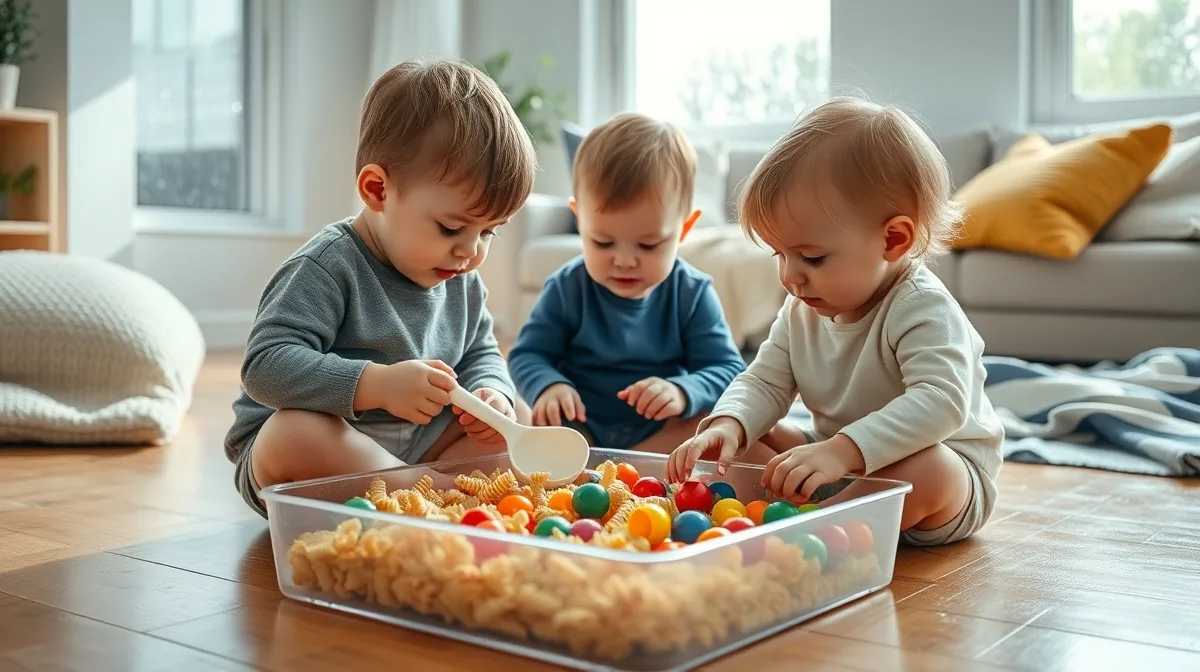
- Optional loose parts: buttons, pom-poms, dried pasta, leaves, twigs, or fabric scraps for texture layering.
- A smock or old shirt to minimize laundry anxiety—this frees your child to play uninhibited.
Place a damp cloth or wet wipes nearby for quick hand-cleaning, and set a timer or use natural cues ("when the sun moves to that tree") to signal wind-down time. Toddlers don't need lengthy instructions; simply say, "You can paint this box however you like" and step back.
Best Non-Toxic Homemade Paint Recipes for Toddlers
Store-bought paints can be pricey and sometimes contain additives parents prefer to avoid. These simple homemade paint recipes are made from kitchen staples, non-toxic, and work beautifully for process art:
Cornstarch Paint (Smooth, Creamy, Washable)
- Mix 1 cup cornstarch with 2 cups water in a medium bowl.
- Stir until you reach a yogurt-like consistency (add more water if too thick).
- Divide into smaller containers.
- Add food coloring (4–6 drops per container) and stir thoroughly.
- Store in an airtight container for up to one week.
This recipe is ideal for 1-year-olds because it's safe if mouthed, blends beautifully, and washes out of clothing easily.
Shaving Cream Paint (Fluffy, Sensory-Rich)
- Pour a can of shaving cream into a large tray (ensure it's non-toxic, like Barbasol).
- Add 10–15 drops of food coloring and swirl with a stick.
- Let your toddler sink hands, brushes, or sponges into the cream to paint and mix.
The tactile sensation is irresistible for toddlers, and cleanup is a quick rinse under warm water.
Yogurt Paint (Edible, Thick, Slow-Drying)
- Use plain or vanilla yogurt as your base (no sugar needed for process art).
- Add a few drops of food coloring to small portions and stir.
- Paint onto cardboard, paper, or even your toddler's own easel.
This option is entirely safe for mouthing, making it perfect for oral explorers aged 12–18 months.
Easy Process Art Ideas Using Recycled Materials and Outdoor Play
You don't need fancy art supplies. Junk materials and nature offer endless process art possibilities that cost next to nothing and build both creativity and gross motor skills.
Box Painting and Exploration
Large cardboard boxes from appliances or online deliveries are gold for process art. Lay one flat and fill it with water and food coloring; give your toddler sponges, spoons, and cups to pour, splash, and transfer. Or keep it dry and drape it with contact paper, letting your child paint directly onto the sticky surface—every mark adheres instantly, which feels magical to a 2-year-old. You can also cut holes in the sides and let toddlers poke sticks or pipe cleaners through for 3D exploration.
Contact Paper Mural and Nature Sticky Sensory Art
Tape a large sheet of contact paper (sticky side out) to a fence, wall, or window at toddler height. Place loose parts nearby—leaves, flower petals, tissue paper scraps, foam stickers—and let your child stick them on freely. No adhesive needed; the contact paper does the work. This activity combines sensory feedback, cause-and-effect learning, and fine motor practice without any liquid mess.
Water Painting for Outdoor Process Art
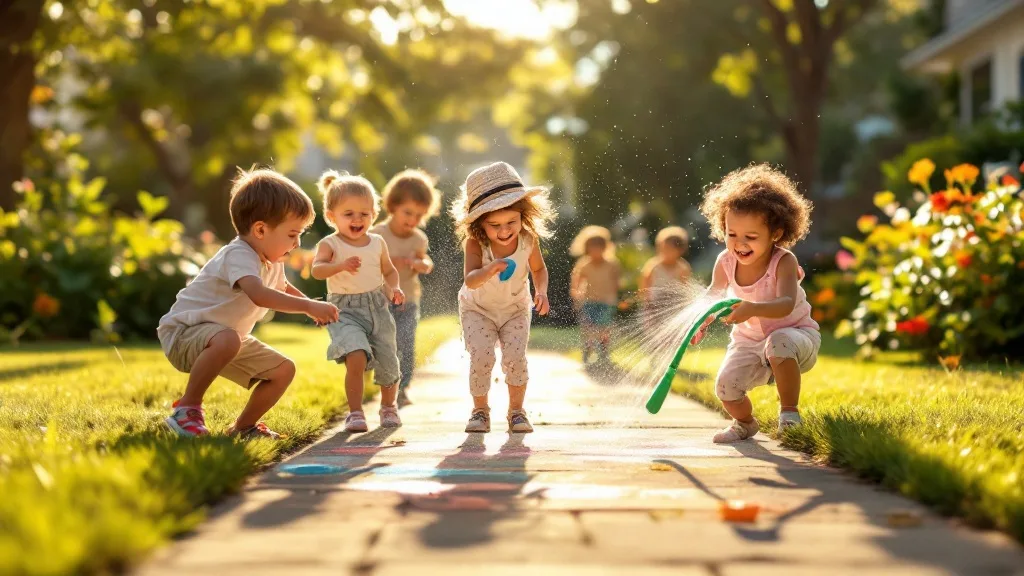
On a sunny day, give your toddler a bucket of water, paintbrushes, and a concrete driveway or wooden fence. "Painting" with plain water creates temporary marks that dry and disappear—a natural cycle that fascinates toddlers. Add food coloring to the water for extra color joy, or keep it clear for pure sensory play. This activity costs nearly nothing and builds big arm movements, hand-eye coordination, and the understanding that change is temporary.
Tinker Tray and Loose Parts Reggio-Inspired Play
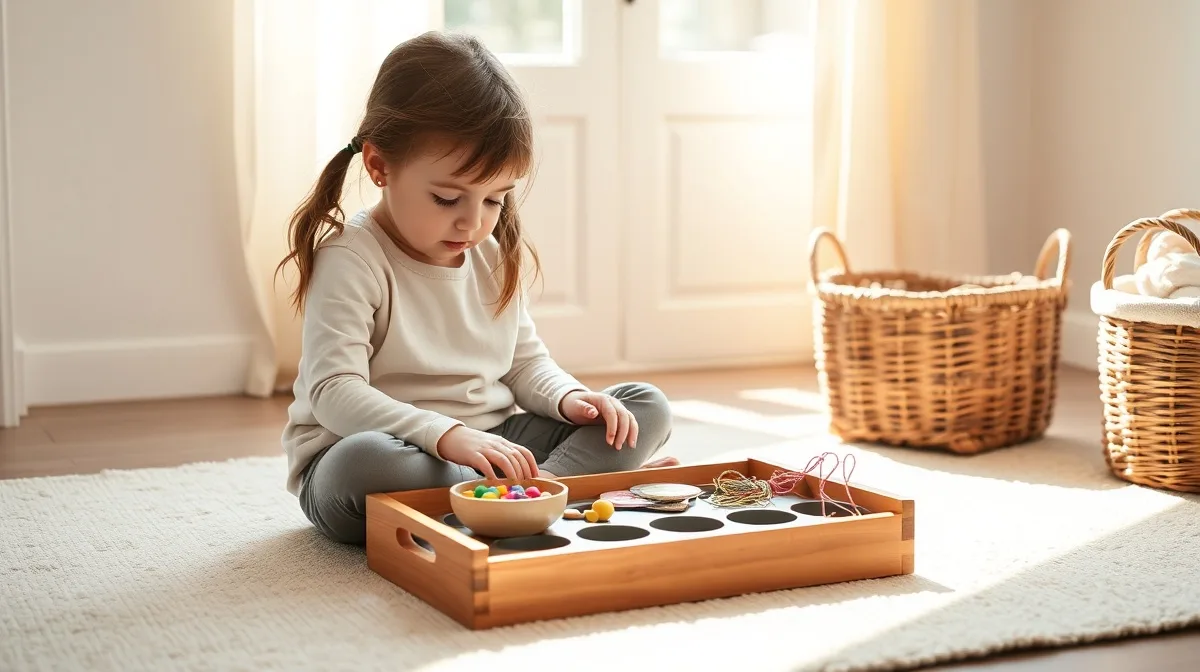
A tinker tray is a shallow, low container filled with loose parts—buttons, shells, pom-poms, cork pieces, wooden beads, fabric scraps, pipe cleaners—that toddlers rearrange, sort, and explore. Add paint, water, or a small spray bottle to turn it into a wet sensory experience. This open-ended setup requires no directions and develops problem-solving, fine motor control, and imaginative play naturally.
Sensory and Gross Motor Benefits of Process Art for 1–4-Year-Olds
Process art isn't just fun; it's powerful developmental work. When a 1-year-old pats wet contact paper, she's building hand awareness and cause-and-effect understanding. When a 3-year-old swings a wide paintbrush across a large box, she's strengthening shoulder and core muscles—skills that later support writing and coordination.
| Age Group | Key Motor Skill Developed | Best Process Art Setup |
|---|---|---|
| 12–18 months | Fine motor (raking, patting), hand-mouth exploration | Yogurt paint, contact paper stickers, sensory water bins |
| 18–24 months | Pincer grip, circular motions, splashing | Shaving cream, box water play, loose parts tinker trays |
| 2–3 years | Gross motor (wide arm strokes), mixing, pouring | Large-scale outdoor water painting, cardboard box art, dual-paint color mixing |
| 3–4 years | Fine motor precision, intentional design, choice-driven sequences | Contact paper mural, nature sticky art, multi-station process art rotation |
Sensory interaction through paint textures, water temperatures, and loose parts also calms the nervous system and gives toddlers a non-verbal outlet for big emotions.
No-Mess and Low-Mess Process Art Ideas
If cleanup anxiety keeps you from trying process art, these approaches minimize the mess while preserving full creative freedom.
Water-Only Activities
Plain water play on a driveway, patio, or in a shallow outdoor container offers all the sensory joy with zero staining. Paintbrushes, cups, sponges, and pouring tools all work; the "paint" simply evaporates.
Sealed Bags and Windows
Fill a gallon freezer bag with paint and tape it to a window or table. Your toddler squishes, presses, and swirls the paint inside without touching it directly—messy exploration contained completely.
Clip-On Aprons and Drop Cloths
A designated art apron (or old oversized shirt) and a vinyl tablecloth or old bedsheet underneath reduce cleanup stress and give your child permission to get gloriously messy, which paradoxically lets them relax and play longer.
For more process art ideas for toddlers and twos, many resources recommend keeping supplies visible but organized, so toddlers know what's available without overwhelming them.
How Long Should Toddlers Spend on Process Art?
Attention spans vary wildly by age and temperament. A 1-year-old might engage for 5–10 minutes; a 2-year-old for 15–25 minutes; a 3–4-year-old for 30–60 minutes, especially if you offer choices and rotate materials. Rather than forcing longer play, set up a multi-station approach: water painting in one spot, loose parts tinker in another, contact paper sticker art on a third. As one activity loses steam, your toddler naturally moves to the next.
Watch for signs of fatigue—rubbing eyes, repetitive behavior without joy, or requests to stop. That's your cue to wrap up, not a failure. Process art should feel optional and playful, never like a demand.
Materials Checklist: What You Already Have at Home
You likely don't need to buy anything. Extensive process art activity lists show how simple household items drive deep creative play. Here's what to gather:
- Containers and surfaces: cardboard boxes, shallow trays, baking pans, plastic cups, old plates, fences, windows.
- Liquids and colors: water, food coloring, cornstarch, flour, shaving cream, yogurt, dish soap.
- Tools: paintbrushes, old toothbrushes, sponges, spoons, wooden spoons, sticks, twigs, cloths.
- Loose parts and texture: buttons, pasta, beads, pom-poms, leaves, flower petals, tissue paper, fabric scraps, pipe cleaners, cork, shells.
- Protective gear: aprons, old shirts, vinyl tablecloths, bedsheets.
Before you buy anything new, raid your recycling bin, craft drawer, and backyard. Process art thrives on abundance and variety, not expense.
Frequently Asked Questions
What is process art for toddlers and why is it important?
Process art is open-ended creative play where the focus is on exploration and action rather than a finished product. It's important for toddlers because it builds confidence (no "failures"), develops fine and gross motor skills, strengthens problem-solving and emotional expression, and gives young children safe choices and control over their own learning.
How do I set up process art for a 2-year-old at home?
Clear a small, low space accessible to your toddler—a kitchen corner or outdoor spot works well. Provide one or two simple materials (like a cardboard box with water and paintbrushes, or contact paper with stickers), place them at eye level, and step back with minimal instruction. Just say, "You can paint/play however you like," then let them lead.
What are the best non-toxic homemade paint recipes for toddlers?
Cornstarch paint (cornstarch + water + food coloring) is smooth and washable; shaving cream paint is fluffy and sensory-rich; and yogurt paint is entirely edible and safe for mouthing. All three are made from kitchen staples, cost pennies, and work beautifully for process art.
Can process art be done outside for toddlers?
Absolutely—outdoor process art is ideal. Water painting on driveways, box explorations in the yard, contact paper murals on fences, and loose parts play in nature all work perfectly and eliminate staining worries. Outdoor play also encourages bigger arm movements and sensory engagement with natural elements.
How much time should a toddler spend on process art?
A 1-year-old may engage for 5–10 minutes; a 2-year-old for 15–25 minutes; and a 3–4-year-old for 30–60 minutes, especially with material rotation. Follow your child's lead and watch for signs of fatigue. Process art works best when it feels optional and joyful, not like a scheduled task.
Process art at home proves that you don't need a perfect Pinterest setup, expensive supplies, or artistic skill to nurture your toddler's creativity. A cardboard box, some water, and your willingness to let the mess happen—that's everything you need. When you step back and let your child lead, magic happens: they discover colors, explore textures, build confidence, and most importantly, fall in love with the pure joy of creating. Start small, grab what you have, and watch your toddler play.
Comments 0
Please Sign in to leave a comment.
No comments yet. Be the first to share your thoughts!