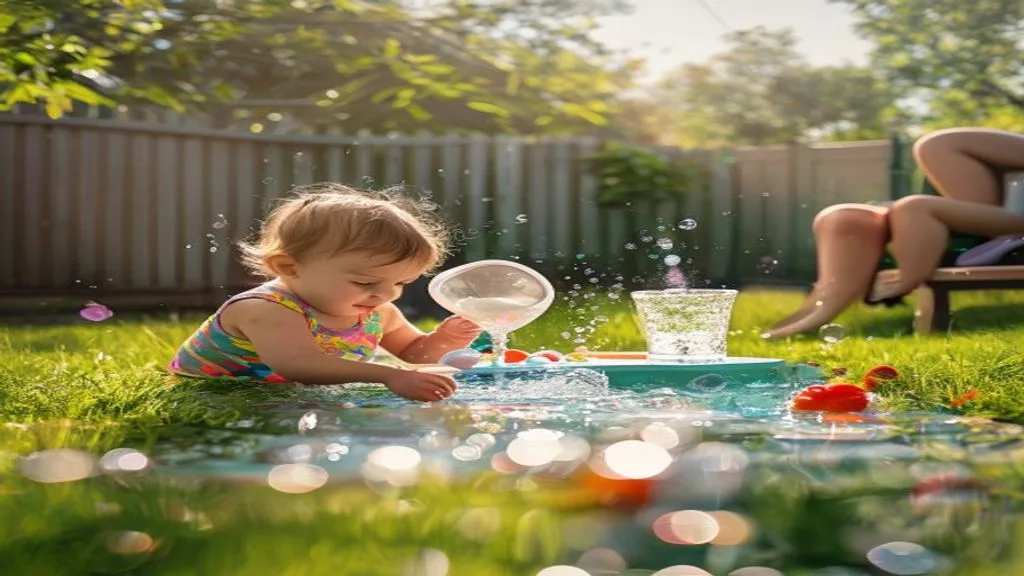
Easy water play ideas for toddlers don't require fancy equipment or hours of prep—they're sensory-rich activities you can set up in minutes using household items. Whether you need an indoor activity on a rainy Tuesday or an outdoor way to beat summer heat, these 15 ideas sort by exact setup time and mess level so you can pick what works for your space and patience right now.
Key Takeaways
- Water play builds fine motor skills, gross motor development, and sensory exploration in toddlers ages 12–36 months.
- Every activity here takes 5 to 15 minutes to set up and is rated by mess level—from towel-only cleanup to full-tarp territory.
- Indoor and outdoor options let you play year-round; ice excavation, water transfer, and sink-and-float games teach cause-and-effect thinking.
- Use food coloring, sponges, floating toys, and items you already own to reduce waste and keep costs near zero.
- Supervise constantly; water safety means an attentive adult within arm's reach at all times.
Why Water Play Matters for Toddlers
Water play is far more than splashing fun. Pouring, squeezing, and scooping build fine motor control and hand–eye coordination that toddlers need for writing, eating with utensils, and self-care skills down the road. Watching water flow, observing how objects sink or float, and discovering that sponges hold liquid all support sensory exploration and early science thinking.
At 18 months to 3 years old, your toddler is learning cause and effect: "I tipped the cup, and water spilled." Water play lets them test that logic over and over in a safe, joyful way. Plus, the rhythmic motion and cool sensation have a natural calming effect—perfect for a hot afternoon or a transition between activities.
5-Minute Setup Water Play (Towel-Only Mess)
These activities need almost no prep and clean up with just a towel or two. Perfect for days when you're already tired.
Bath Time Color Mixing
Fill the tub with a few inches of water and add 2–3 drops of food coloring in primary colors (red, yellow, blue) in separate areas. Hand your toddler a plastic cup, turkey baster, or spray bottle and let them swirl colors together. This teaches buoyancy concepts, color theory, and hand strength—all while they're already in the bath. No extra towels needed beyond the regular bath towel.
Sink-and-Float Discovery
At the bathroom or kitchen sink, gather floating toys (rubber ducks, foam letters, bath toys) and sinking items (smooth stones, wooden spoons, plastic play coins). Fill the sink halfway, then let your toddler drop objects in one by one and predict or observe which sink and which float. This hands-on buoyancy lesson hooks young learners and takes literally 2 minutes to arrange.
Sponge Squeezing Station
Place a few colorful bath sponges in the sink with 3–4 inches of warm water. Show your toddler how to squeeze the sponge under the water and watch it fill up, then squeeze it out. This isolates hand strength and wrist control. Water stays in the sink, so cleanup is instant.
10-Minute Setup Water Play (Towel + One Container)
These need a shallow bin, tub, or kiddie pool but still keep mess contained. Ideal for patios, balconies, or kitchen tile.
Easy Water Bin Activities
Set up a low plastic bin (or even a sturdy cake pan) with 2–3 inches of water. Add one or more of these safe, water-loving items:
- Water transfer: Cups, funnels, spray bottles, and turkey basters let toddlers pour and squirt. This builds hand coordination and teaches volume concepts.
- Floating toys: Rubber ducks, plastic boats, foam animals. Toddlers spend 20–30 minutes pushing and chasing them around.
- Sponge diving: Tear bath sponges into quarters and let them bob and sink. Toddlers love pulling them in and out.
- Ice excavation: Freeze a small toy in a plastic container of water overnight, then let your toddler pour warm water (supervised) over it to "rescue" the toy. Sensory gold.
A beach towel underneath catches splashes; cleanup takes under 5 minutes.
Ocean-Themed Water Play
Float plastic sea creatures in the bin and narrate: "The dolphin is swimming, the starfish is floating." Add 2–3 drops of blue food coloring if you'd like an ocean feel. Toddlers ages 2+ love imaginative play with a theme, and this costs nothing if you have plastic animals already.
15-Minute Setup Water Play (Tarp or Dedicated Space)
These are messier but create the most engaging, longest-lasting play. Save them for warm days or when you have the energy to mop.
Water Table or Shallow Pool Setup
A low water table (around $30–50) or a small kiddie pool (often under $20) is the queen bee of outdoor water play activities for toddlers. Fill it halfway and stock it with:
- Plastic cups, funnels, and measuring cups for water transfer play.
- Floating toys and foam letters.
- Sponges cut into small pieces.
- Food coloring in spray bottles so toddlers can "paint" the water.
- A stack of towels and a waterproof apron or swimsuit for your child.
Set up on a patio or over a tarp. Your toddler can play independently (with supervision) for 45–60 minutes while you sit nearby with a book. Change the water every 1–2 hours or if it gets visibly dirty.
Messy Water Play: Sensory Bin Deluxe
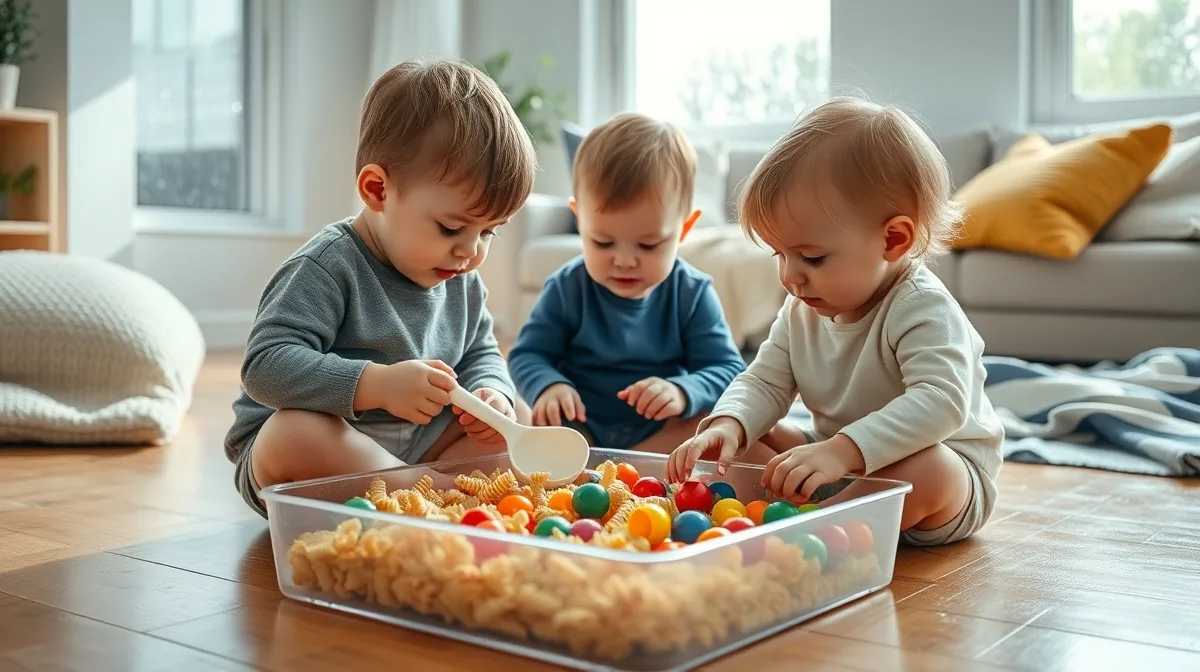
Combine a large plastic storage bin with 4–6 inches of water and add textured items: foam pieces, soft plastic chain, bath pom-poms, and even a few drops of liquid dish soap for bubble action. The sensory overload keeps toddlers engaged far longer than plain water, and you'll notice their gross motor development improve as they reach, scoop, and balance.
This setup is messier—water will splash and clothes will get soaked—but the payoff is deep, focused play. Use a tarp, an old shower curtain, or set up on a deck or patio drain.
No-Mess (or Low-Mess) Water Play Options
On days when you absolutely cannot handle water on the floor, these keep things tight:
Spray Bottle Painting
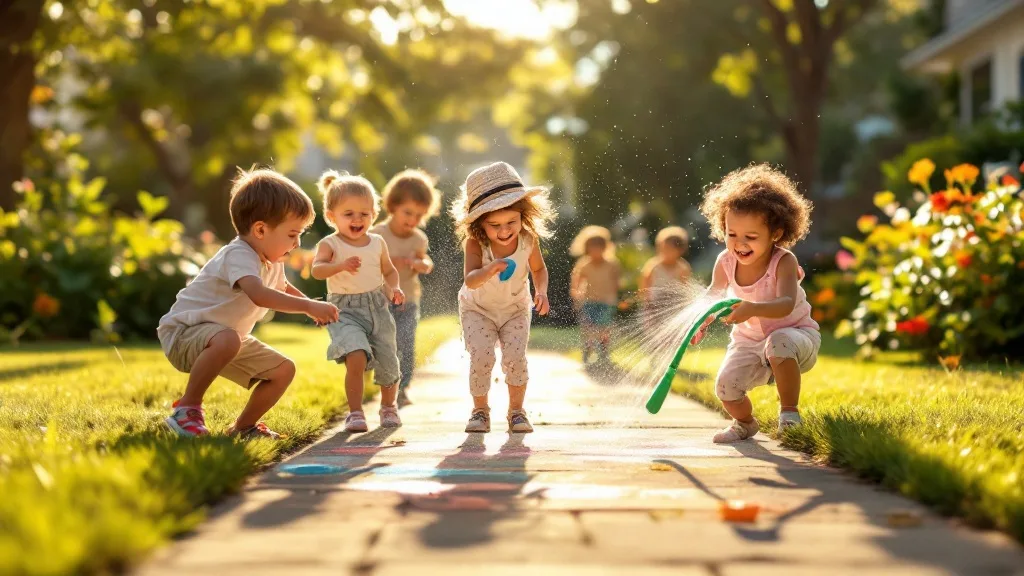
Fill a spray bottle with water and let your toddler spray a fence, deck, or dark-painted wall. Watch the "paint" change color as it dries. All water stays outside or on the wall, and the activity is free.
Frozen Water Sensory Play
Freeze water (plain or with food coloring) in an ice cube tray or small containers overnight. Let your toddler hold and manipulate the ice cubes—they melt slowly, so water drips are minimal. This teaches about temperature, state changes, and sensory contrast. Put a towel down and you're done in minutes.
Water Droppers and Pipettes
Use a child's medicine dropper or turkey baster to drip water into a shallow container or onto paper. Toddlers develop fine motor precision, and spillage is tiny. Combine with food coloring for color-mixing learning on a small scale.
Comparison: Water Play Ideas by Setup Time and Mess
| Activity | Setup Time | Mess Level | Best For |
|---|---|---|---|
| Bath time color mixing | 2 minutes | None (contained) | Quick weeknight activity |
| Sink-and-float discovery | 3 minutes | Minimal | Learning buoyancy |
| Easy water bin activities | 5 minutes | Low (one towel) | Patio or indoors on tile |
| Water table outdoor setup | 10 minutes | Medium (splashing) | Summer afternoon play |
| Messy sensory bin deluxe | 15 minutes | High (water everywhere) | Deep, focused play time |
| Spray bottle painting | 2 minutes | None (outdoor only) | Zero-cleanup activity |
| Water droppers and pipettes | 3 minutes | Minimal | Fine motor development |
Safety Tips for Water Play
Constant supervision is non-negotiable. Toddlers can drown in as little as 1–2 inches of water in seconds and silently, according to the American Academy of Pediatrics. Stay within arm's reach at all times; avoid distractions like phones or conversations with other adults.
Keep water warm (around 85–90°F) to prevent chills, especially for outdoor play in spring or fall. Change water frequently if multiple toddlers are playing, and always drain containers when play is done. Teach your toddler that water play happens only when you say so, not at the toilet or outdoor hose unsupervised.
For additional creative sensory water play ideas and inspiration, consult trusted parenting blogs that specialize in hands-on learning.
Frequently Asked Questions
What are the easiest water play ideas for toddlers indoors?
Bath time color mixing, sink-and-float discovery, and sponge squeezing take under 5 minutes to set up and confine water to the tub or sink. If you have tile floors, a shallow bin with floating toys on a beach towel also works indoors and keeps mess to one easy-to-clean area.
How do you set up a water bin for toddlers?
Use any low plastic bin, cake pan, or kiddie pool with 2–4 inches of warm water. Add floating toys, sponges, cups, or funnels. Place it on a towel or tarp and supervise constantly. The whole setup takes 5 minutes, and play lasts 30–60 minutes depending on your toddler's interest.
What are some sink or float water activities for toddlers?
Fill a sink or bin with water and gather items: rubber ducks (float), smooth stones (sink), foam letters (float), plastic play coins (sink), and wooden spoons (sink). Let your toddler drop them in one by one and watch. You can narrate ("The rock sinks down, down, down!") to deepen learning about buoyancy and cause-and-effect.
How can I make water play less messy for toddlers?
Use a tarp, beach towel, or old shower curtain underneath. Set up on a patio, deck, or tile floor rather than carpet. Choose low-splash activities like bath time color mixing or water droppers instead of water tables. Dress your toddler in a swimsuit or clothes you don't mind soaking, and have towels stacked nearby.
How do you teach toddlers about buoyancy with water play?
Let them hold and drop objects of different materials into water—plastic floats, wood sinks, metal sinks—and narrate what happens. Repeat the same objects over several weeks so they predict before dropping. Science-based water play activities for toddlers teach these concepts through hands-on exploration rather than explanation.
Water play is one of the simplest gifts you can give your toddler: it costs almost nothing, builds real skills, and gives you 30–60 minutes of engaged, calm play. Pick one idea from the setup-time category that matches your energy today, gather what you have at home, and let the splashing begin.
Comments 0
Please Sign in to leave a comment.
No comments yet. Be the first to share your thoughts!