Rainy days and cold winters don't have to derail your toddler's happiness or development. Activities for toddlers indoors offer wonderful opportunities to explore, create, and bond without stepping outside. The right mix of play keeps little ones entertained while building important skills like fine motor control, creativity, and language development.
Sensory Play Activities That Spark Curiosity
Sensory experiences are the foundation of early childhood learning, and you don't need fancy equipment to create them at home. Fill shallow bins or trays with safe, engaging materials like dried pasta, kinetic sand, water beads, or uncooked rice. Let your toddler explore with cups, spoons, and scoops while you supervise closely. These activities develop hand-eye coordination and provide calming, focused play that can last surprisingly long.
Water play is another sensory goldmine for indoor activities for toddlers indoors. Set up a shallow tub with warm water, add cups, funnels, and floating toys, and let your little one splash and pour. Many parents find bathtime extended with toys and props becomes an extended learning session. Popular suggestions from experienced parents often highlight how sensory bins keep toddlers occupied for extended periods while boosting confidence and curiosity.
Creative Art and Craft Projects for Little Artists
Your toddler doesn't need to create a masterpiece to benefit from art activities. Finger painting with washable, non-toxic paints on large paper or cardboard lets them explore color and movement freely. Set expectations low—the process matters far more than the product. Provide smocks or old clothes, use washable supplies, and focus on the joy of making marks and mixing colors.
Sticker books, playdough, and chalk activities offer endless entertainment without requiring advanced artistic skills. Homemade playdough is budget-friendly: mix flour, salt, water, and food coloring for hours of moldable fun. Cutting practice with safety scissors and gluing paper scraps into collages develop fine motor skills while keeping hands busy. Experienced educators recommend rotating art supplies to maintain novelty and engagement throughout the week.
Building and Construction Play for Problem-Solving
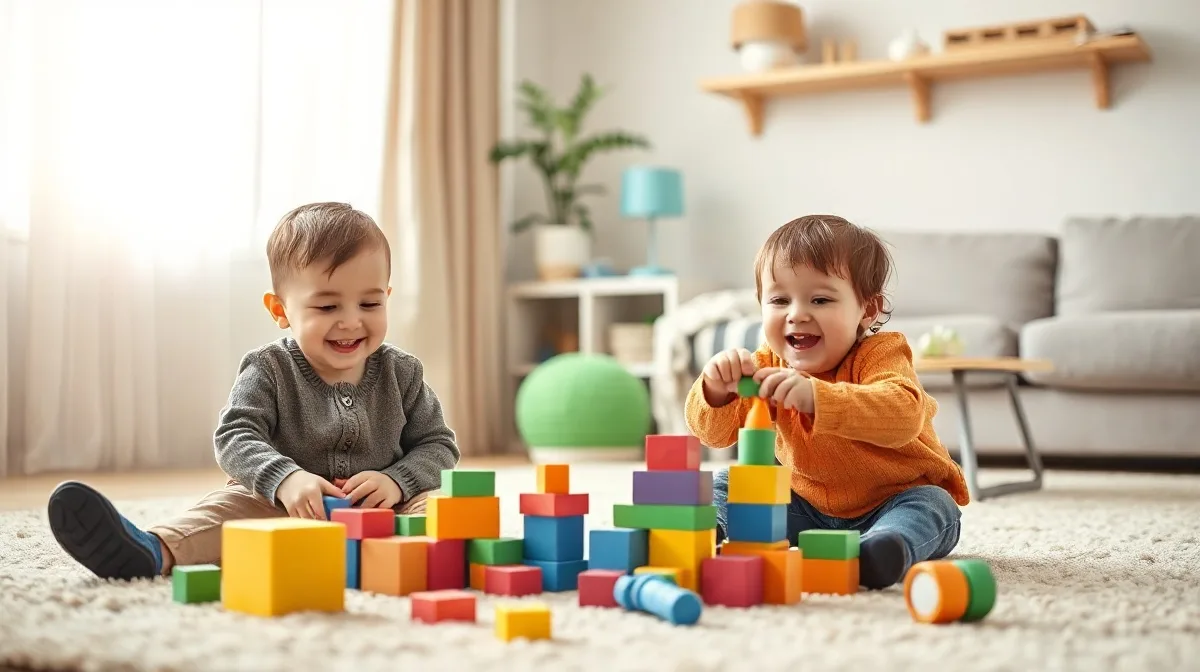
Blocks, stacking cups, and magnetic tiles aren't just fun—they're brain-building tools. Toddlers love knocking down towers, so build one and invite them to demolish it, then help rebuild together. This simple activity teaches cause and effect, spatial awareness, and basic problem-solving. Blocks also support imaginative play as toddlers begin creating homes for stuffed animals or pretend structures.
Magnetic construction sets and large interlocking blocks keep toddlers engaged in focused play that transitions naturally between destruction and creation. The tactile feedback of snapping pieces together or watching magnets connect provides satisfying sensory input. These building activities strengthen coordination and lay groundwork for later math and engineering concepts.
Music, Movement, and Dance for Energy Release
Toddlers have energy to burn, and dancing indoors offers the perfect outlet. Play their favorite songs and encourage free movement—jumping, spinning, clapping, and swaying. You can add rhythm instruments like drums, maracas, or homemade shakers filled with dried beans in sealed containers. Singing songs with hand motions combines music with physical activity and language learning.
Create an indoor obstacle course with cushions, blankets, and furniture rearrangement to encourage climbing, crawling, and navigating spaces. This type of movement play builds gross motor skills and helps release pent-up energy during long indoor stretches. Dance parties might seem simple, but they're among the most joyful and developmentally valuable activities for toddlers indoors.
Imaginative Play and Pretend Games
Pretend play emerges around age two and becomes increasingly sophisticated. Set up a toy kitchen, doctor's office, or grocery store using household items. Toddlers love mimicking adult activities—cooking, caring for dolls, talking on phones, or shopping. Provide simple costumes like hats, scarves, or oversized shirts to enhance imaginative engagement.
Story-based play using picture books can extend into acting out stories with stuffed animals and toys. Read a favorite tale, then recreate simple scenes together. This bridges literacy with imaginative play and helps toddlers understand narrative structure. Many parents report their toddlers retain books better when they've acted them out physically rather than simply listening passively.
Learning Activities That Feel Like Play
Educational activities work best when they're disguised as pure fun. Color sorting, shape matching, and counting games using household items teach academic concepts without formal instruction. Use buttons, pasta shapes, or toys to practice sorting by color or size. Play simple matching games with picture cards or household items.
Puzzle play with large-piece puzzles builds problem-solving skills and concentration. Start with simple two- or three-piece puzzles and gradually increase difficulty as your toddler gains confidence. These quiet-time activities develop patience and persistence while keeping hands and minds engaged. Reading books together remains one of the most valuable indoor activities for toddlers, building vocabulary and fostering early literacy.
Frequently Asked Questions
How long can a toddler typically stay focused on one activity? Most toddlers between ages 18 months and 3 years can focus for 5 to 15 minutes per activity, depending on interest level and development. Rotating between different types of play keeps engagement high throughout the day.
What's the best way to set up a space for indoor toddler activities? Create a safe, contained area with washable surfaces for messy play, a quiet corner for focused activities, and open floor space for movement. Rotate toys regularly to maintain novelty and prevent overwhelm from too many options at once.
Are screen-free indoor activities really necessary for toddlers? While screens aren't harmful in moderation, hands-on play activities provide irreplaceable benefits for motor skill development, social-emotional growth, and imaginative thinking. Experts recommend prioritizing interactive play while occasional screen time can be a helpful tool.
How do I keep cleanup manageable with all these indoor activities? Use bins with clear labels, establish a quick cleanup routine as part of transitions between activities, and choose washable, contained activities for your messiest play. Involving your toddler in cleanup turns it into another learning opportunity.
What should I do if my toddler gets bored quickly with activities? Toddlers need variety, so rotate toy collections weekly, combine activities (like reading a book then building with blocks), and follow their interests rather than forcing predetermined activities. Some days they'll love sensory play; other days movement is all they want.
Keeping toddlers happily engaged indoors becomes easier when you understand that young children learn through play, exploration, and repetition. The activities that work best are often the simplest ones—water, blocks, music, and your enthusiastic participation matter far more than expensive toys or elaborate setups. Experiment with different activities for toddlers indoors, observe what captures your child's attention, and build a rotation that works for your family's rhythm and space.
Comments 0
Please Sign in to leave a comment.
No comments yet. Be the first to share your thoughts!