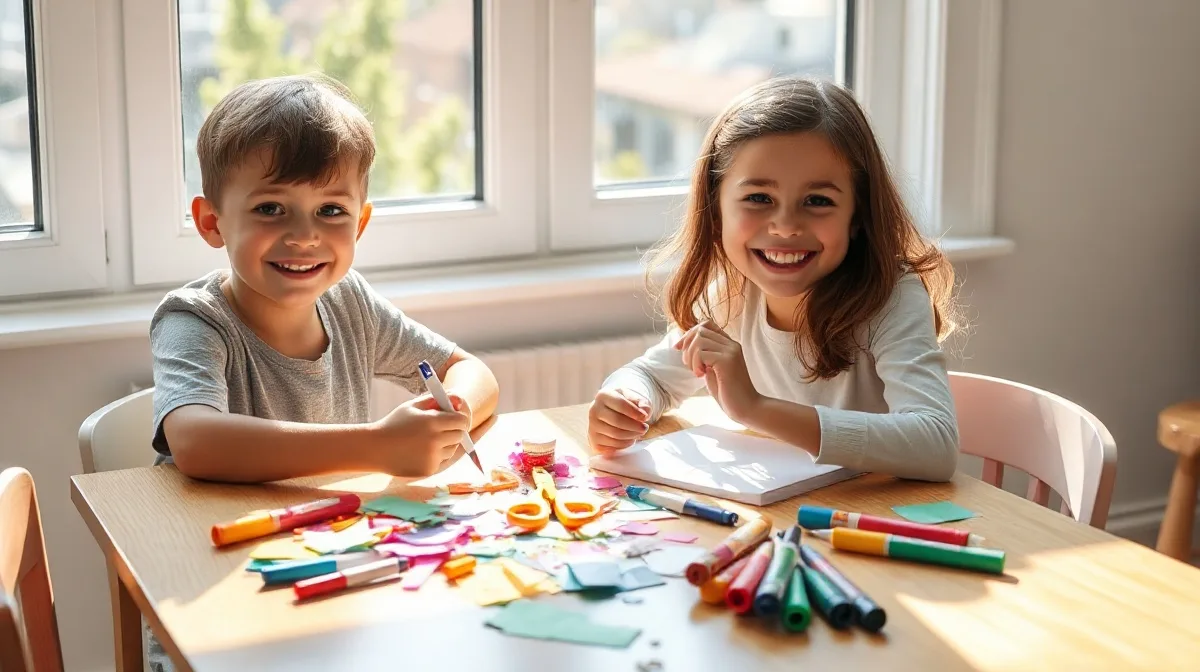
Finding easy crafts for kids at home with paper doesn't require a Pinterest account or an arts-and-crafts supply closet. With just a few basic materials you likely have right now—paper, scissors, glue, and markers—you can spark hours of creative play and keep boredom at bay. Paper crafts offer the perfect balance of simplicity and engagement, making them ideal for rainy afternoons, quiet time, or those moments when screen time needs a break.
Why Paper Crafts Are Perfect for Young Creators
Paper crafts stand out as one of the most accessible and rewarding activities for children of all ages. They require minimal investment, almost no prep work, and deliver instant gratification. When kids fold, cut, and glue paper into something tangible, they're building fine motor skills, practicing patience, and exercising their imagination all at once. The beauty of paper-based projects is that there's no "wrong" way to do them—your child's unique vision is always the right one. Plus, unlike some crafts that demand specialized tools or messy materials, paper crafts are relatively tidy and safe for young hands.
Simple Paper Folding Projects for Beginners
If your child is new to crafting, start with folding. Paper airplanes are the classic gateway craft—kids aged 4 and up can learn to fold a basic dart plane within minutes, then spend the next hour testing flight paths around the house. From there, simple paper boats fold just as easily and float beautifully in the bathtub. These easy paper crafts can teach basic origami concepts without overwhelming young learners.
Paper fortune tellers (also called cootie catchers) are another hit with kids aged 6 and up. They're slightly more involved than planes or boats, requiring careful folding and a bit of coordination, but the interactive payoff keeps children entertained for ages. You can write fortunes, color predictions, or funny messages inside the folds. When your child masters the basic fold, they've unlocked a DIY toy that costs nothing and provides endless entertainment.
Collages and Cut-and-Paste Creations
Collage work is wonderfully forgiving and doesn't demand precision or skill. Grab old magazines, newspapers, or even junk mail, and let your kids cut or tear images they like. They can sort by color, theme, or emotion, then arrange and glue everything onto a larger sheet of paper to create abstract art or tell a visual story. This approach works beautifully for children of varying ages since everyone can participate at their own level.
Vision boards have become popular with older kids and tweens who want to explore dreams and goals. They simply cut images from magazines that represent things they want to achieve or explore, then arrange them on poster board. It's both a creative outlet and a gentle way to encourage goal-setting. For younger children, you might assign a theme—animals, nature, happy things, or favorite colors—to give structure to the cutting and pasting process. More paper craft inspiration for kids can help spark ideas when your child runs out of steam.
Painting and Decorating Paper Projects
Once you've folded or cut paper into a shape, painting transforms it into something special. Paper chains in bright colors brighten any room and require only strips of paper and glue, but when kids paint them first, the effect is even more striking. Paper masks are another natural canvas—fold a paper plate in half, cut eye holes, and let your children paint, glue on yarn for hair, and add feathers or sequins. A plain piece of white paper becomes a masterpiece when markers, watercolors, or tempera paint enter the picture.
Decorated paper bags and boxes make excellent gift wrap or storage solutions that kids can personalize. Tissue paper adds dimension when glued on top of drawings. Stickers, stamps, and stencils all work beautifully on paper and give shy artists tools to create without drawing freehand. The key is removing the pressure to produce museum-quality art and celebrating the joy of making something colorful and uniquely theirs.
Building Three-Dimensional Paper Structures
Once your child is comfortable with flat paper crafts, introduce 3D projects that challenge spatial reasoning. Paper cup towers, paper bag puppets stuffed with crumpled paper, and rolled-paper sculptures teach kids how a flat material can become something standing and sturdy. Creative paper craft ideas for kids at home often include simple stacking and construction that feels like building.
Paper tube crafts (from paper towel or toilet paper rolls) offer excellent value since you're upcycling materials. Rolled tubes become binoculars, kaleidoscopes, or the body of an animal puppet. Combine tubes with paper and your child has the foundation for a whole imaginary world. These projects teach resourcefulness alongside creativity and show kids that trash can become treasure with a little imagination and effort.
Seasonal and Holiday Paper Crafts
Paper crafts align perfectly with every season and celebration. Winter brings snowflakes cut from white paper using only scissors and a few strategic folds—no two are ever identical. Spring invites paper flower gardens where stems are rolled paper and blooms are folded tissue or construction paper. Halloween calls for paper bat garlands and ghost decorations, while Christmas lights up with paper snowflakes, chains, and ornaments.
Holiday crafts feel purposeful and timely, which boosts a child's investment in finishing the project. Making decorations for the house or gifts for family members gives paper crafts a meaningful endpoint beyond simply keeping hands busy. Children take pride in seeing their creations displayed or given away, reinforcing the value of what they've created.
Tips for Setting Up a Successful Paper Craft Session
Success starts with preparation. Gather your materials—paper in various colors and weights, child-safe scissors, non-toxic glue sticks or washable glue, markers, and any special touches like stickers or sequins—in one accessible container. A dedicated craft area, whether it's the kitchen table or a lap desk, helps contain the activity and signals to your child that it's creation time.
Keep instructions light and open-ended. Rather than following a rigid how-to, suggest a starting point and let your child's imagination take over. If they want to add googly eyes to their paper chain or paint their airplane purple, embrace those choices. Have extra paper on hand—kids often want to make multiple versions or try something completely new once they've finished one project. Most importantly, resist the urge to "fix" their work or suggest improvements. Your role is cheerleader, not director.
Frequently Asked Questions
What type of paper works best for kids' crafts? Construction paper is ideal for beginners because it's sturdy, comes in bright colors, and resists tearing during cutting and folding. Copy paper works fine too, though it's thinner and less forgiving for young hands.
Are paper crafts safe for toddlers under 3? Toddlers under 3 shouldn't use scissors unsupervised, but they can tear paper, glue with help, and finger-paint on paper strips. Focus on sensory play rather than finished projects at this age.
How do I help my child who gets frustrated easily with crafting? Start with projects that have fewer steps and faster results, like collages or painting. Praise effort over outcome, and remind them that mistakes are part of learning and making art.
Can paper crafts help develop my child's skills? Absolutely. Paper crafts build fine motor control, hand-eye coordination, spatial reasoning, and creative problem-solving while boosting confidence and self-expression.
Where do I find inspiration for new paper craft ideas? Pinterest, YouTube craft channels, and library craft books offer endless ideas. Start simple and build toward more complex projects as your child's skills develop.
Paper crafts are a timeless, screen-free way to nurture your child's creativity while filling an afternoon with joy and meaningful work. The projects are simple, the supplies are affordable, and the memories of creating together last far longer than the crafts themselves.
Comments 0
Please Sign in to leave a comment.
No comments yet. Be the first to share your thoughts!