
Finding easy crafts for kids at home with household items doesn't require a trip to the craft store or an expensive supply list. With a little creativity and imagination, you can transform everyday objects from your kitchen, bathroom, and closet into hours of screen-free entertainment. These activities aren't just fun—they build confidence, develop fine motor skills, and let children express themselves through making something uniquely their own.
Paper and Cardboard Creations
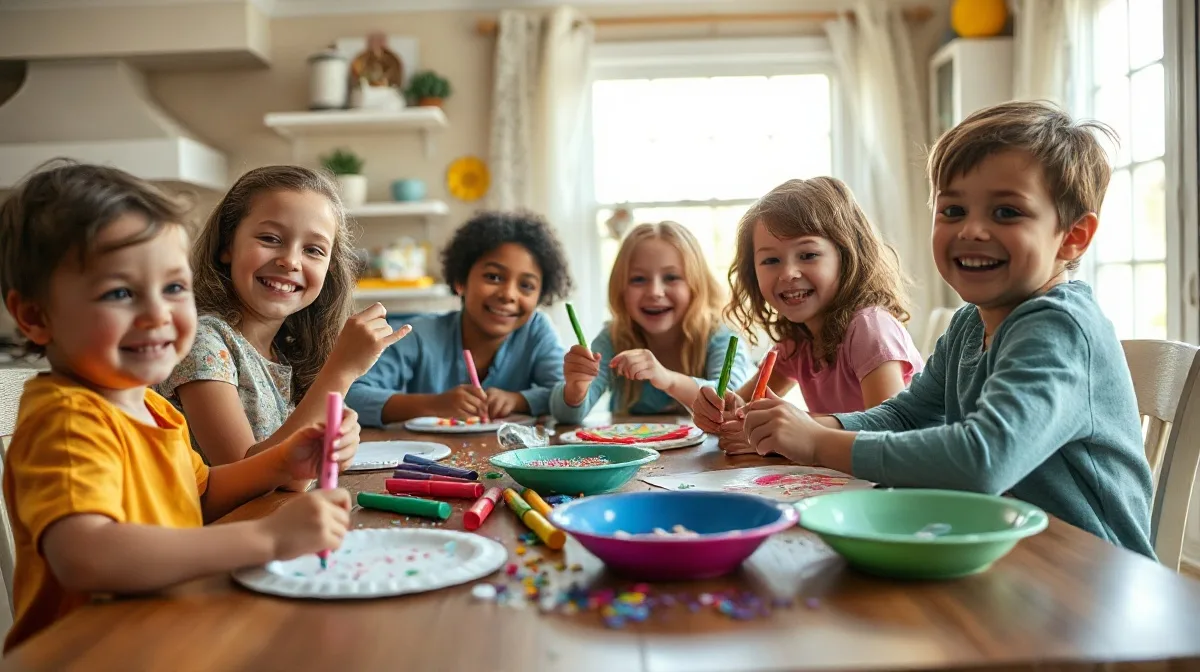
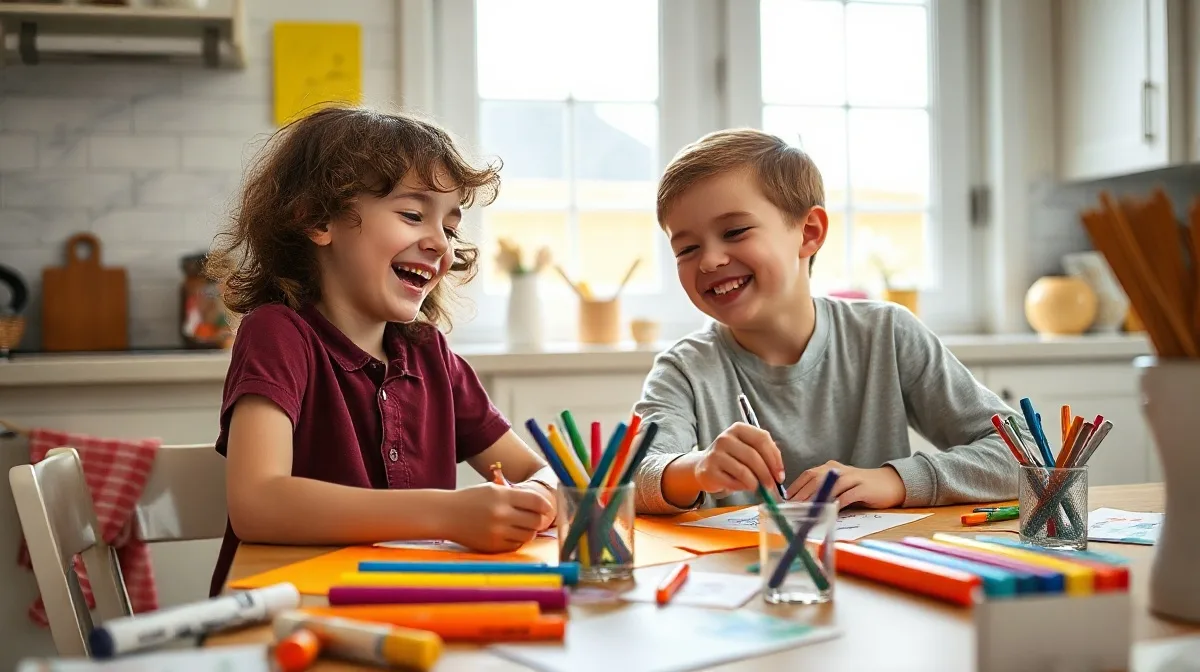
One of the simplest places to start is with materials you likely have stacks of already: paper, cardboard boxes, and newspaper. Empty toilet paper rolls become telescopes, binoculars, or the base for papier-mâché projects. Cereal boxes can be transformed into puppet theaters, storage containers, or building blocks. Your kids can design and decorate these projects with markers, crayons, or paint, turning ordinary packaging into imaginative masterpieces.
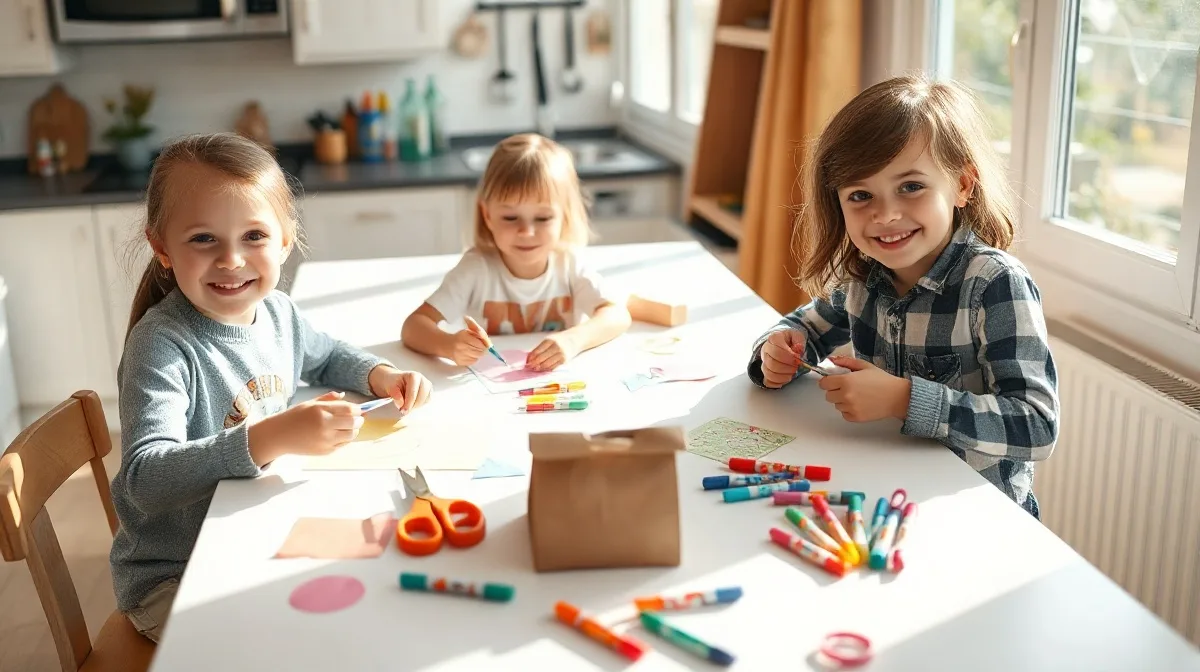
Newspaper is another goldmine for creative play. Tear it into strips for papier-mâché, roll it into balls for indoor games, or cut out shapes for collages. Paper plates and brown paper bags offer endless possibilities—they become masks, animal faces, or the foundation for mixed-media art. Highlights Parent offers dozens of paper-based craft ideas that require minimal setup and cleanup.
Nature and Kitchen Treasures
Your kitchen is packed with craft-friendly supplies. Dried pasta becomes jewelry when painted and strung on yarn or string. Rice and beans make excellent textures for sensory art projects—glue them to paper for tactile mosaics or use them in shaker bottles for musical exploration. Coffee filters and food coloring create tie-dye effects, teaching kids about color mixing and absorption.
If you have access to outdoor space, leaves, twigs, and rocks are natural craft materials. Collected items can be arranged into mandalas, glued onto paper for landscape art, or painted and transformed into garden markers or paperweights. Even a rainy day doesn't stop nature crafts—dried flowers from your garden or pressed leaves from last fall make beautiful collage elements.
Recycled Materials You Already Have
This is where the magic of sustainability meets creativity. Old buttons, yarn scraps, and fabric remnants from your sewing basket become clothing for dolls or decoration for greeting cards. Wine corks transform into planters, stamps, or building materials. Plastic bags and newspaper can be layered to create strong, waterproof vessels when used with papier-mâché.
Empty containers of all sizes—from yogurt tubs to milk jugs—become storage solutions, planters, paint holders, or the bodies of toy robots and creatures. String, twine, and rubber bands work for wrapping, weaving, or creating simple looms. Care.com 's roundup of minimal-supply crafts highlights how little you truly need to spark hours of creative play.
Painting and Drawing on Found Objects
Painting rocks, flower pots, or wooden spoons gives kids a three-dimensional canvas and teaches them that art isn't limited to flat paper. Gather smooth pebbles from outside and paint them as decorative stones, game pieces, or story starters. Plain wooden spoons become puppets or craft bases. Cardboard tubes painted and decorated transform into telescope toys or the centers of hanging mobile art.
If you have acrylic paint or even washable tempera paint, nearly any surface becomes artable—paper towel rolls, plastic bottles, mason jars, and egg cartons. Kids love the tactile experience of painting something solid, and the results are keepsakes that outlast traditional paper drawings. Encourage them to paint their favorite animals, abstract designs, or scenes from their imagination.
Simple Sewing and Threading Activities
Threading doesn't always require a needle. Pipe cleaners, yarn, and string can be woven through holes you punch in paper or cardboard. Empty cereal boxes with holes cut in them become weaving looms. Plastic straws cut into sections and strung on yarn make colorful necklaces and decorations. For older kids ready for basic hand-sewing, a plastic needle threaded with yarn works perfectly with burlap scraps or even worn-out t-shirts cut into shapes.
These threading activities build fine motor skills and hand-eye coordination while producing wearable or displayable results that kids feel proud to show off. The process is often more valuable than the finished product, as children focus, problem-solve, and celebrate small victories along the way.
Games and Interactive Crafts
Easy crafts for kids at home can also be playable. Create board games on cardboard with markers and dice made from paper cubes. Decorate plain playing cards or make your own with index cards. Build a simple marble run from paper towel tubes taped together. Design and construct a catapult from popsicle sticks and rubber bands to launch small foam pieces or pompoms.
Building forts using blankets, pillows, and furniture encourages spatial thinking and imaginative play. Decorating these cozy spaces with string lights (battery-operated, of course) or hanging paper creations turns a fort into a personalized retreat. BuzzFeed's collection of toddler through school-age crafts includes plenty of interactive options that keep kids engaged and entertained.
Frequently Asked Questions
What's the best age to start doing crafts with household items?
Kids as young as 18 months can enjoy sensory-based crafts like painting or tearing paper, while preschoolers can manage simple gluing and coloring projects, and older children can tackle more complex building and sewing activities with minimal supervision.
How do I organize craft supplies from household items?
Store sorted materials in clear containers or repurposed jars so kids can see what's available, and designate a specific drawer or shelf as your "craft station" for easy access during creative sessions.
Are these crafts safe for young children?
Most household-item crafts are safe when supervised; just avoid small choking hazards with toddlers, use non-toxic glue and paint, and skip crafts requiring scissors or heat until children are old enough to handle them responsibly.
How can I make cleanup easier after craft time?
Cover your work surface with newspaper or an old tablecloth, keep wet wipes or a damp cloth nearby, and involve kids in tidying up as part of the craft experience.
What if my child gets bored quickly with one craft?
Offer variety by rotating which materials are available, present the same supplies in new ways, and remember that the process matters more than the finished product—some kids may enjoy just exploring materials rather than completing a project.
The beauty of creating easy crafts for kids at home with household items is that you're teaching resourcefulness and environmental awareness while nurturing creativity. You don't need expensive kits or specialized supplies to spend quality time making memories together. Look around your home with fresh eyes, gather those recyclables and forgotten containers, and watch your children transform ordinary objects into extraordinary creations.
Comments 0
Please Sign in to leave a comment.
No comments yet. Be the first to share your thoughts!