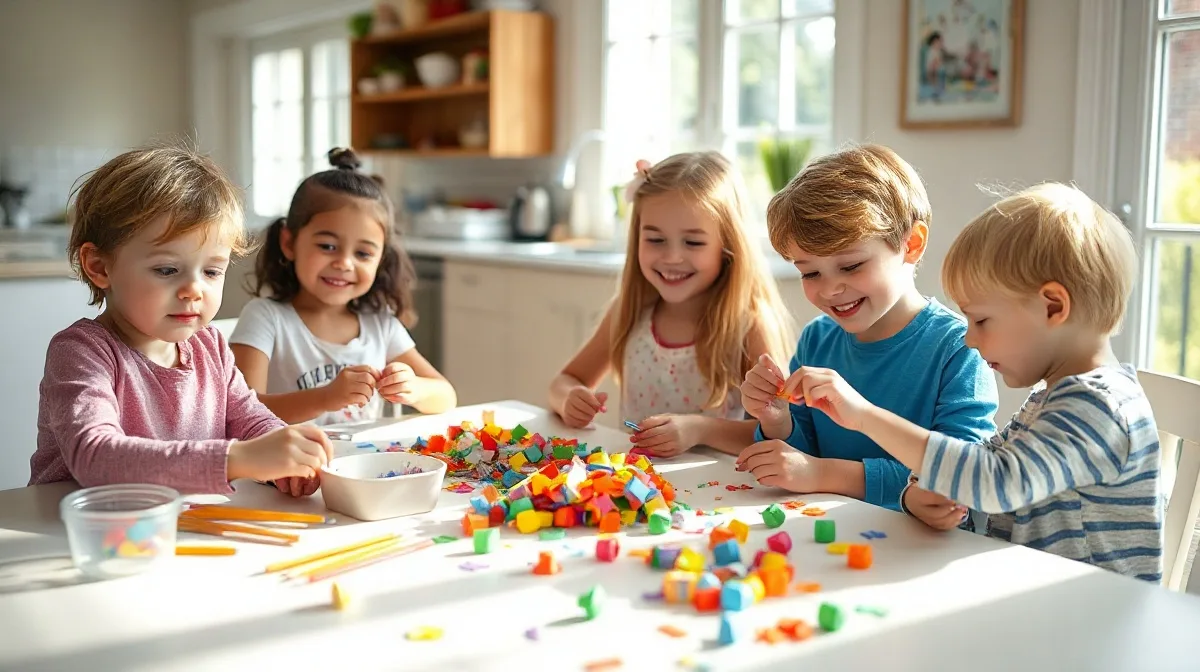
Looking for easy crafts for kids at home that won't break the bank or require a trip to the craft store? You're in the right place. The best creative projects are often made from items already hiding in your kitchen drawer or recycling bin—and they're just as entertaining as anything store-bought.
Crafting at home isn't just about keeping kids occupied on rainy afternoons. It builds confidence, develops fine motor skills, and gives children a tangible way to express themselves. Whether you have toddlers, elementary-aged kids, or a mix of ages, this guide will walk you through ideas that actually work, require minimal prep, and deliver maximum fun.
Why Homemade Crafts Matter for Child Development
When children engage in hands-on creative activities, they're doing far more than making pretty pictures. Crafting strengthens the small muscles in their hands and fingers—skills essential for writing and drawing. It also encourages problem-solving: figuring out how to balance a sculpture or deciding which colors work well together teaches decision-making in a low-pressure environment.
Beyond the physical benefits, crafts offer emotional benefits too. Kids feel proud when they complete a project and create something they can display or gift to family members. There's also something calming about repetitive craft motions—folding, gluing, drawing—that can help anxious or hyperactive children find focus.
Essential Supplies for Easy Crafts for Kids at Home
Before diving into projects, stock a simple craft box with basics. You don't need fancy supplies. Paper (construction paper, cardstock, newspaper), scissors, glue stick, and markers are the foundation. Add washable tempera paint, play dough, and a few pipe cleaners, and you're set for dozens of projects.
Don't overlook natural materials either. Leaves, twigs, stones, and shells collected during outdoor time become treasure for indoor crafting. Recycled items like toilet paper tubes, egg cartons, plastic bottles, and old magazines are goldmines. Keep a "scrap bin" where kids can rummage freely—it sparks creativity and teaches resourcefulness.
For inspiration and detailed instructions on a wide range of activities, check out this collection of arts and crafts kids can make at home.
Simple Craft Ideas for Different Age Groups
For toddlers and preschoolers, sensory activities work best. Stamp painting with sponges, making playdough creations, and collages with pre-torn paper pieces keep little hands busy safely. Avoid small choking hazards and always supervise.
Elementary-aged kids can handle more complex projects. Paper airplanes, friendship bracelets made from embroidery floss, painted rock characters, and simple papier-mâché projects are perfect challenges. These crafts require more fine motor control but stay simple enough to finish in one sitting.
Tweens and teens enjoy projects with a purpose: DIY tie-dye shirts, decorated storage boxes, homemade candles, or jewelry made from beads. At this age, they often prefer working independently or with peers, so projects that feel "grown-up" hold their attention longer.
For more age-appropriate ideas and variations, explore this helpful resource of easy crafts designed specifically for kids.
Fast Five-Minute Crafts When You're Short on Time
Some days call for instant gratification. Keep these no-fuss projects in your back pocket:
- Paper snowflakes: Fold white paper and cut designs—instant winter magic.
- Decorated bookmarks: Cut cardstock strips, add markers and stickers.
- Painted hand prints: Pour paint into a shallow dish, press hands, create keepsake art.
- Origami boats or cranes: Teach the folds once; kids fold for hours afterward.
- Sticker mosaics: Outline a shape and fill it with stickers from around the house.
These projects require zero setup and deliver quick wins—perfect for when energy is high but patience is low.
Tips for Stress-Free Crafting with Kids
To keep craft time enjoyable, set realistic expectations. Let kids make "mistakes"—wonky glue lines and uneven colors add character. Cover the table with newspaper or a plastic tablecloth to protect surfaces and ease cleanup anxiety.
Offer choices within limits. Instead of asking "What do you want to make?"—which can overwhelm—ask "Do you want to paint or build today?" This reduces decision fatigue while keeping creativity flowing.
Also, don't underestimate the power of playing alongside your kids. You don't need to guide every brushstroke; simply working on your own project shows that creative expression is valued. You'll also catch any safety issues early and model how to handle frustration gracefully.
For even more inspiration across a broad range of styles and difficulty levels, this comprehensive guide offers easy crafts and activities for kids and toddlers at home.
Frequently Asked Questions
What's the best craft glue for young kids? Washable, non-toxic glue sticks and white school glue are safest for preschoolers and early elementary kids. Always check labels for age recommendations, and supervise application.
How do I clean up paint messes easily? Use washable, water-based paints exclusively and keep wet wipes nearby during crafting. Set up a designated art zone with easy-to-wipe surfaces, and dress kids in clothes you don't mind getting messy—or use oversized aprons.
Can I do crafts with kids if I'm not artistic? Absolutely! Crafting isn't about creating masterpieces; it's about the process. Your lack of artistic skill won't diminish your kids' enjoyment or learning—they just love making things and having your company.
What should I do with finished craft projects? Display artwork on the fridge, create a rotating gallery wall, or photograph pieces before storing them in a memory box. Kids feel proud seeing their work displayed, and photos take up far less space than keeping every project forever.
How long should a typical craft session last? For young children, 15–20 minutes is often ideal; for older kids, 30–45 minutes works well. Watch for signs of waning interest rather than forcing kids to finish—stopping while they're still engaged keeps crafting fun rather than a chore.
Crafting with kids doesn't require expensive materials or Pinterest-perfect results. The magic happens when children experiment, create freely, and spend focused time making something with their own hands. Stock a few basic supplies, choose an idea that excites your family, and let the creative process unfold. You might be surprised at how much joy emerges from simple paper, paint, and imagination.
Comments 0
Please Sign in to leave a comment.
No comments yet. Be the first to share your thoughts!