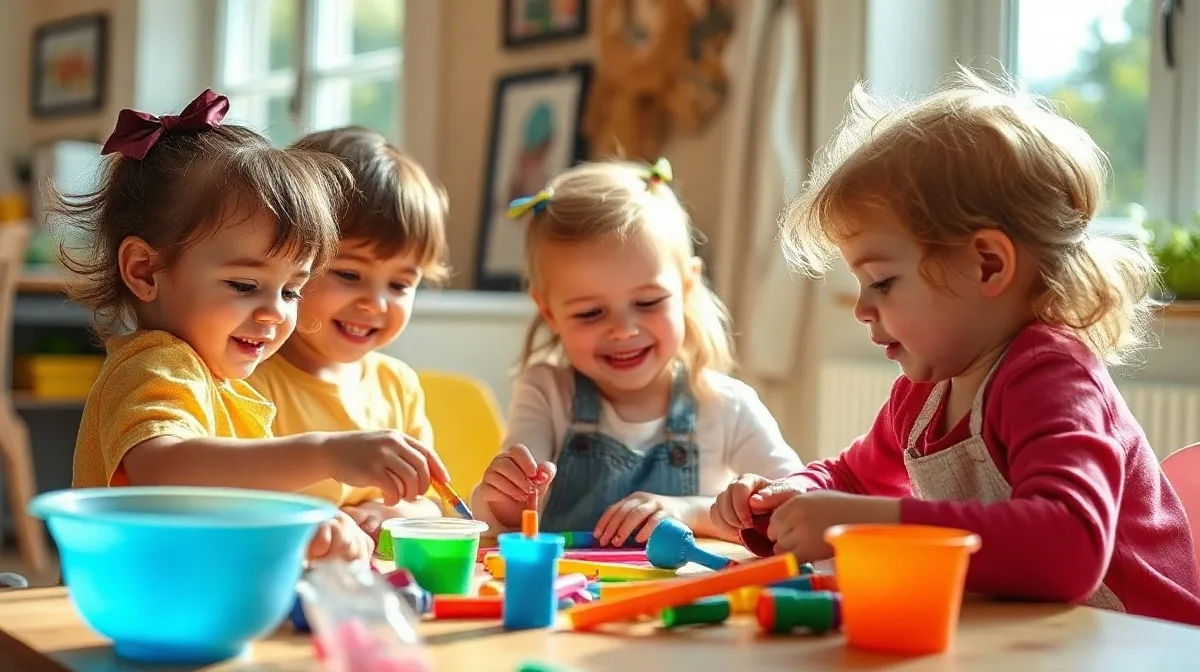
Rainy days, snow, and extreme heat can make outdoor play impossible, but that doesn't mean your toddler has to be bored. Activities for toddlers indoors offer wonderful opportunities to explore, create, and learn right in your home. From messy sensory play to quiet crafting moments, indoor activities keep your little one engaged while building confidence and developing key skills.
Sensory Play: Engaging All the Senses
Sensory play is one of the most powerful ways to keep toddlers entertained and learning. Set up a sensory bin using household items like dried pasta, rice, beans, or kinetic sand. Toddlers love scooping, pouring, and exploring different textures with their hands and simple tools like measuring cups or small shovels. You can rotate materials seasonally—autumn leaves and pinecones in fall, colored ice in summer—to keep the experience fresh.
Water play is another sensory favorite that requires minimal setup. Fill a shallow container or basin with water and add safe items like plastic cups, sponges, foam letters, or bath toys. Let your child splash, pour, and experiment for 20 to 30 minutes while you supervise closely. According to parenting blogs dedicated to indoor toddler activities, water play naturally teaches cause and effect while being deeply calming.
Creative Arts and Crafts for Little Hands
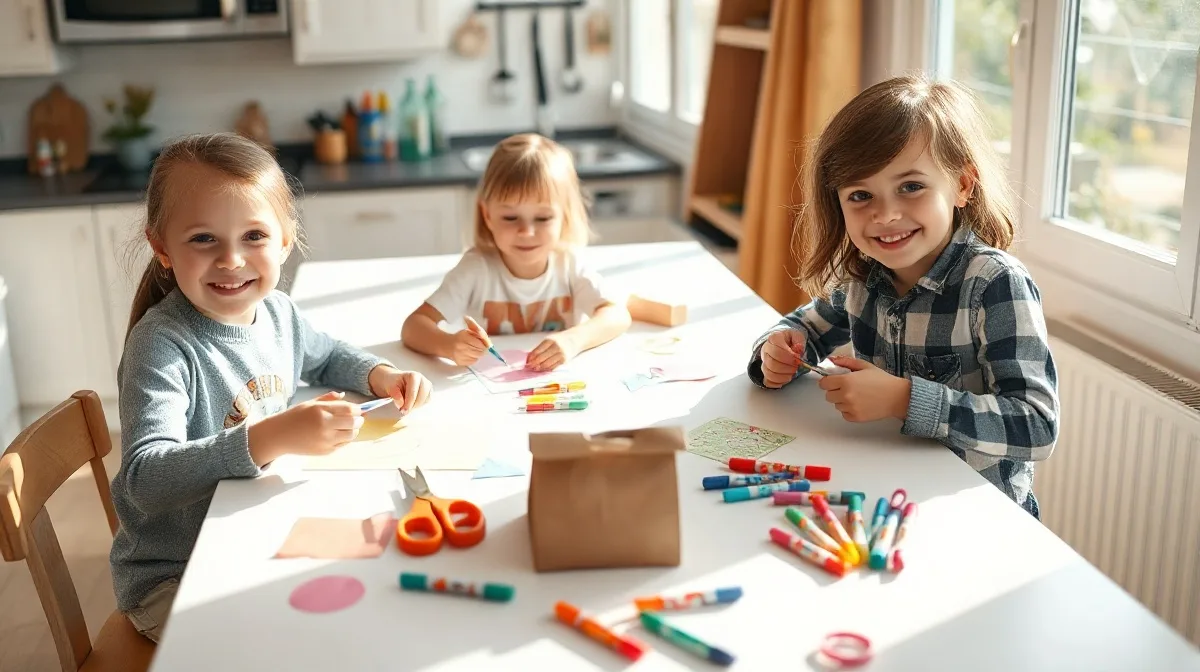
Toddlers don't need fancy art supplies to create masterpieces. Large crayons, washable markers, and chunky colored pencils paired with paper, cardboard, or newspaper keep them happily occupied. Finger painting is wonderfully tactile—set up on an old tablecloth or outside if weather permits, and use washable paints so cleanup is stress-free. Let them explore freely without pressure to create a "finished" product; the process matters far more than the result.
Play dough is another classic activity that deserves a place in your rotation. Store-bought versions work fine, but homemade dough made from flour, salt, and water costs pennies. Toddlers can squeeze, roll, flatten, and shape it using their fingers or plastic tools. This strengthens hand muscles essential for later writing skills. Add plastic cookie cutters, beads, or toy dinosaurs to expand the possibilities and keep their interest alive.
Music, Movement, and Dance Parties
Your living room becomes a concert hall when you add music to the mix. Toddlers naturally move to rhythm, so play their favorite songs and let them dance, jump, and twirl freely. Keep a basket of simple instruments—tambourines, maracas, wooden spoons, or pots—and have a jam session together. This builds coordination, releases energy, and creates joyful memories.
Movement activities don't require music at all. Create an indoor obstacle course using pillows, cushions, and furniture arranged safely. Let your toddler crawl under tables, climb over cushions, and navigate around obstacles. Follow-the-leader games where you exaggerate movements like marching, tiptoeing, or pretending to be animals keep things playful while building gross motor skills. Trusted resources on indoor toddler activities emphasize how important movement is for young children's physical and emotional development.
Imaginative Play and Dramatic Scenes
Toddlers thrive when given space to imagine and pretend. A simple blanket draped over chairs becomes a cozy fort or secret cave. Dress-up clothes—oversized hats, scarves, and shoes—spark imaginative play without expensive costumes. A play kitchen or toy shopping cart lets them mimic everyday routines, building understanding of the world around them.
Reading together combines language development with cozy bonding time. Create a special reading nook with pillows and blankets, and rotate picture books regularly to maintain interest. Interactive books with flaps, textures, or buttons keep toddlers engaged longer than traditional formats. Let them choose books and turn pages, even if the selection seems random.
Building and Construction Play
Blocks, whether wooden, foam, or magnetic, offer endless building possibilities. Toddlers love stacking, toppling, and creating their own structures. Magnetic tiles are particularly engaging because pieces stick together with satisfying clicks, and the transparent colors are visually stimulating. Simple building keeps their hands busy while encouraging problem-solving and spatial awareness.
Household items work just as well as store-bought toys. Empty boxes, plastic containers, and paper cups can be stacked, nested, and knocked down repeatedly without wear. Parenting communities frequently share budget-friendly building activities for young toddlers that require nothing fancy yet capture their complete attention.
Quiet Time Activities and Table Play
Not every activity needs to be high-energy. Puzzles with large, chunky pieces develop problem-solving skills and encourage focus. Sticker books, shape sorters, and threading activities (large beads on soft string) keep hands occupied during quieter moments. These calmer activities for toddlers indoors are perfect for winding down before nap time or when you need a few minutes of relative peace.
Treasure baskets filled with safe, interesting objects—wooden spoons, plastic containers, fabric scraps, safe kitchen tools—encourage exploration and independent play. Rotate items monthly to maintain novelty and interest. Toddlers will spend surprising amounts of time examining, touching, and moving these objects from basket to basket.
Frequently Asked Questions
How long should activities for toddlers indoors last?
Most toddlers have attention spans of 10 to 20 minutes per activity, though this varies by age and individual child. Plan multiple short activities rather than one long session, and follow your child's lead when interest wanes.
What's the best way to manage messy indoor activities?
Set clear boundaries by using drop cloths, tablecloths, or newspapers to contain mess, and dress your child in old clothes or an apron. Accept that some mess is part of learning and development, and remember that cleanup time teaches valuable skills too.
Can I do indoor activities with multiple toddlers?
Absolutely! Group sensory play, dance parties, and building activities work wonderfully with multiple children. Having a variety of activities available reduces competition and gives each child choices that match their mood.
How do I keep activities fresh without spending a lot?
Rotate toys and materials monthly so items feel "new" again. Repurpose household items creatively, visit dollar stores for inexpensive craft supplies, and check library websites for free activity ideas and resources.
Should I worry about screen time on days with lots of indoor activities?
While screen time shouldn't replace hands-on play, a short educational show or tablet app alongside active indoor activities balances the day. The goal is variety and plenty of physical, creative, and sensory engagement.
The key to keeping toddlers happy indoors is offering variety, following their interests, and staying flexible. Some days they'll love painting; other days they'll want only sensory bins. By rotating activities for toddlers indoors and observing what captures their imagination, you'll build a toolkit that works for your unique child and keeps rainy days from feeling like a burden.


Comments 0
Please Sign in to leave a comment.
No comments yet. Be the first to share your thoughts!